5 nights in San Francisco: flights and hotel areas compared
A five-night trip to San Francisco provides enough time to explore the city's diverse neighborhoods, waterfronts, and surrounding natural landscapes. Planning such a visit involves understanding the logistics of air travel and the distinct character of the city's various lodging districts. Because the city occupies a compact seven-by-seven-mile peninsula, where one chooses to stay significantly shapes how they interact with local transportation and nearby attractions.
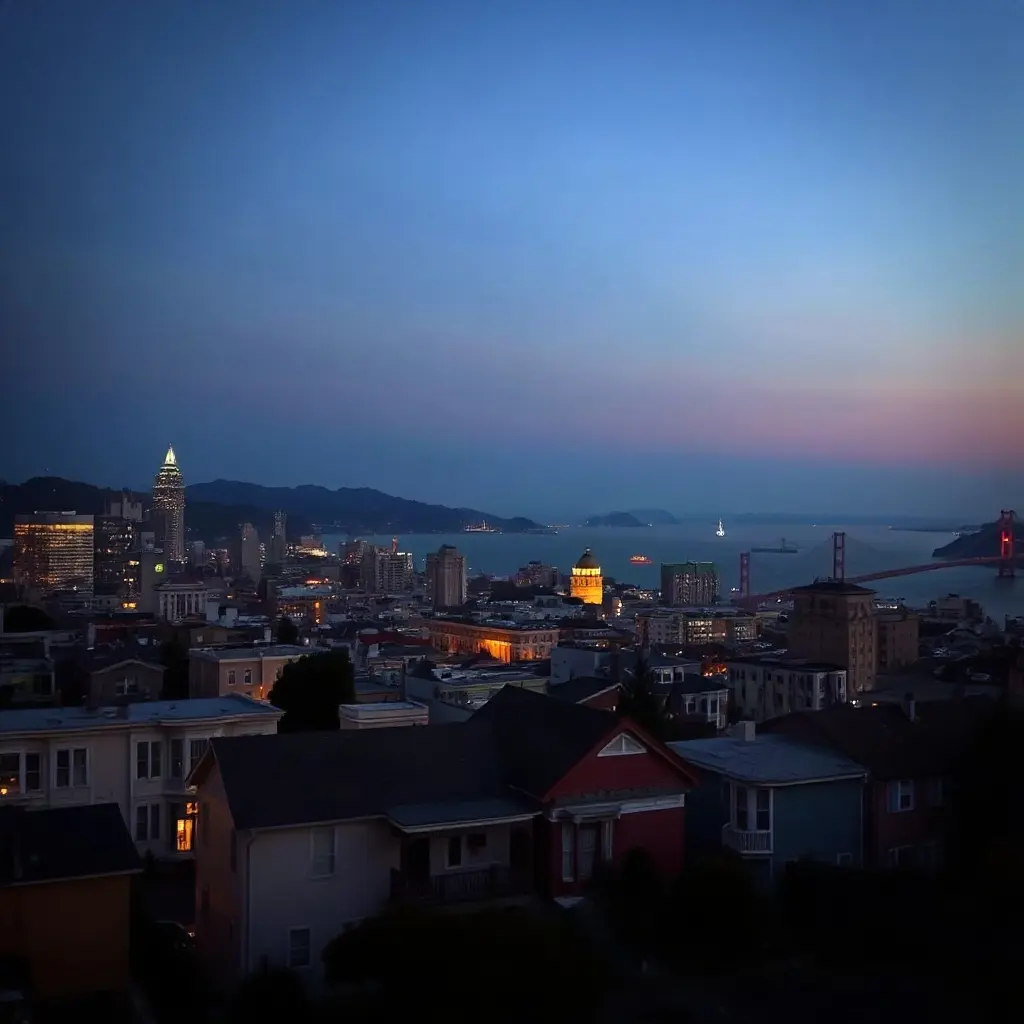
Navigating Air Travel to the Bay Area
Most travelers arrive via San Francisco International Airport (SFO), which serves as the primary hub for the region. SFO is located about 13 miles south of the city center, offering a range of transit options including light rail, shuttle services, and ride-hailing platforms. The time required to reach the downtown core typically ranges from 30 to 60 minutes, depending on traffic conditions, which are often heaviest during morning and evening rush hours.
Secondary airports like Oakland International (OAK) and Norman Y. Mineta San Jose International (SJC) are also viable options for visitors. While these airports are located further away from the city center, they are often used by travelers seeking different flight schedules or carrier options. Accessing downtown San Francisco from these secondary locations usually requires additional time, typically involving regional commuter trains or longer ground transit commutes compared to arriving directly at SFO.
Downtown and Union Square Lodging Options
Union Square serves as the commercial heart of San Francisco, characterized by a high density of hotels, retail establishments, and theaters. This area is a central hub for public transportation, making it a convenient base for visitors who prioritize easy access to cable cars, streetcars, and underground transit lines. Prices in this district typically reflect its central location, with rates often influenced by seasonal conventions and local events.
Staying in the downtown or Union Square vicinity means being within walking distance of many dining and entertainment venues. However, the area experiences significant daily foot traffic and can be quite busy. Because it is a primary transit node, it is often favored by those who plan to spend their five nights moving between different parts of the city using buses or the metro system.
Fisherman's Wharf and Waterfront Stays
Fisherman's Wharf and the nearby Embarcadero waterfront offer a different experience, often favored by those interested in maritime history and views of the San Francisco Bay. Hotels here often range from larger chains to boutique lodgings. This area is highly walkable and provides direct access to ferries departing for landmarks such as Alcatraz Island or the neighboring town of Sausalito.
While this part of the city is popular for tourism, it is also connected to the rest of the city via historic streetcars and bus lines. It is generally quieter at night than the downtown core, as much of the activity is focused on daytime maritime attractions. Visitors often choose this area if they prefer proximity to the water and a more relaxed pace during the evenings of their stay.
Neighborhoods in the Western and Northern Districts
For visitors looking to experience the residential character of San Francisco, neighborhoods like Pacific Heights, the Marina, or near Golden Gate Park offer a departure from the high-rise hotels of the center. Lodging options here are more likely to include smaller guesthouses or independent inns. These areas provide better access to parks, local coffee shops, and panoramic views of the Golden Gate Bridge.
Staying outside of the main tourist centers often requires a higher reliance on local bus routes or taxi services to reach major landmarks. The cost of accommodation in these areas can vary widely, often depending on the proximity to popular parks or bay-facing streets. This choice is usually preferred by those who have already visited the city and wish to spend their five nights in a more localized, neighborhood-focused environment.
Factors Influencing the Cost of a Five-Night Visit
The total cost of a five-night stay in San Francisco is subject to significant variation based on seasonal demand, local events, and the type of accommodation selected. Peak travel seasons, typically during summer months or during large industry conferences, often see higher nightly rates across all districts. Off-peak times, such as late autumn or mid-winter, can present different pricing dynamics.
Beyond the cost of the hotel, travel budgets are usually affected by how one chooses to move around the city. Utilizing public transit, such as the Muni system, is generally the most economical way to navigate the region. Renting a vehicle often introduces additional costs, including parking fees, which can be substantial in hotel districts like Union Square or the waterfront. It is helpful to consider that many visitors find that a car is not strictly necessary for exploring the city itself, as parking availability varies significantly by neighborhood.
Logistical Considerations for a Successful Trip
When selecting a base for a five-night stay, it is useful to map out the specific sights one intends to visit. For instance, if the itinerary includes extensive exploration of Golden Gate Park, staying in the Richmond or Sunset districts provides faster access than a downtown hotel. Conversely, a schedule filled with museum visits and downtown events makes the central districts more practical.
The climate in San Francisco also plays a role in trip planning, as temperatures can fluctuate significantly from the waterfront to the hills. Regardless of the area selected, packing layers is a common recommendation, as the city is known for localized microclimates that can change throughout the day. Regardless of the chosen accommodation area, five nights allows for a steady exploration of the city without the need to rush between attractions, providing the flexibility to adapt to local weather and transit patterns.