Used Mini Diggers at Auction: Prices and What to Check
Mini diggers, often referred to as compact excavators, are versatile machines widely utilized in construction, landscaping, and utility work. When these machines reach the secondary market, auctions serve as a primary venue for equipment disposal and procurement. Understanding the auction landscape for used mini diggers requires knowledge of machine specifications, historical maintenance, and the factors that influence their final hammer price.
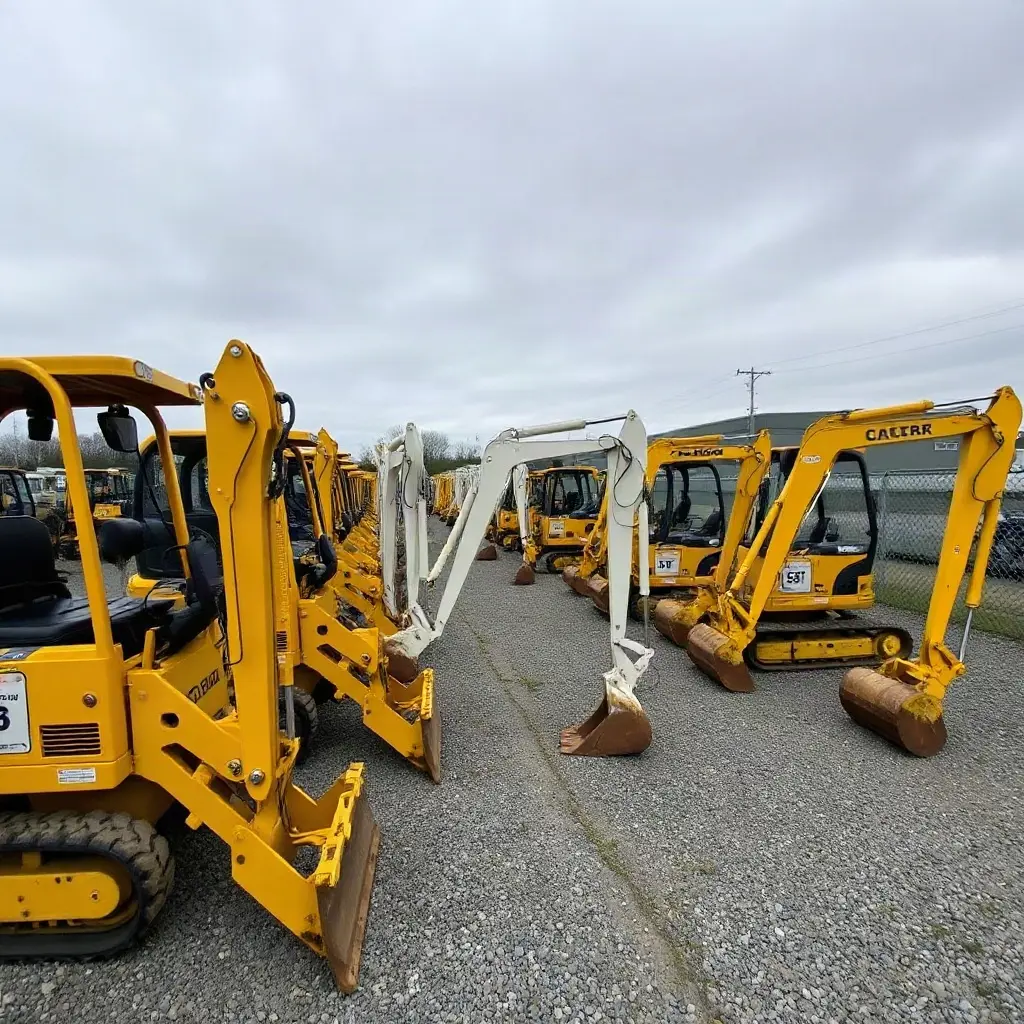
The Auction Process for Compact Construction Equipment
Equipment auctions operate through various formats, including live onsite bidding, simulcast events that combine live and online participation, and strictly online-only platforms. In a typical auction environment, items are listed with a catalog description, which may include the make, model, year of manufacture, and current operating hours. Potential bidders often have a limited window to inspect the machinery before the sale begins.
Because auctions are intended for the efficient movement of inventory, they often follow strict terms regarding payment and removal of the equipment. Unlike retail environments, auction items are generally sold on an as-is basis, meaning the burden of assessing the condition rests entirely with the participant. Being familiar with the specific auction house protocols and bidding increments is a foundational step for anyone observing this market.
Factors Influencing Used Mini Digger Pricing
The price of a used mini digger at auction is influenced by several tangible variables. Operating hours are a primary metric, as high-hour machines typically require significant component replacement. Beyond hours, the physical condition of the tracks, the hydraulic systems, and the engine state are critical. The presence of specialized attachments like breakers, augers, or tilt-rotators can also shift the final bid price significantly.
Prices for used mini diggers vary widely based on these factors, typically ranging from approximately $8,000 USD for older, high-hour models in need of refurbishment, to upwards of $35,000 USD or more for modern, well-maintained units with low operational usage. Market demand for specific brands known for part availability, such as Kubota, Bobcat, or Yanmar, often results in more competitive bidding, which can drive prices toward the higher end of the spectrum regardless of the specific auction venue.
Evaluating Hydraulic and Mechanical Performance
A thorough inspection of a mini digger's hydraulic system is essential, as this is the heart of the machine's functionality. Observers should look for signs of hydraulic fluid leaks around cylinders, hoses, and connections. During a test or an operational demonstration, listen for unusual groaning or screeching from the hydraulic pump, which may indicate internal wear or cavitation.
The mechanical condition of the engine also deserves close attention. Check the engine oil and hydraulic fluid for signs of contamination, such as discoloration or debris, which can signal long-term neglect. If a cold start is possible, monitor the exhaust for excessive smoke, which may point to worn piston rings, fuel system issues, or turbocharger problems. Consistent, clean-running engines usually command higher interest and stronger bids.
Inspecting the Undercarriage and Track System
The undercarriage of a mini digger represents a substantial portion of its maintenance cost. Rubber tracks are prone to cracking, thinning, and snapping over time. When inspecting these, look for deep cuts in the rubber or missing tread blocks that could compromise traction and stability on site. It is also important to check the tensioning mechanism to ensure that the tracks can be adjusted properly.
Beyond the tracks themselves, look at the drive sprockets and rollers. Worn-down sprocket teeth or seized rollers indicate that the undercarriage has seen heavy use and may soon require a costly complete replacement. Because replacing a full track system can cost thousands of dollars, these wear items should be a primary consideration when calculating the total potential cost of ownership after the auction ends.
Assessing the Structural and Cosmetic State
While cosmetic appearance does not always correlate with mechanical health, it can provide clues about how the equipment was treated. Excessive rust on the frame or deep gouges in the boom and stick could suggest that the machine was worked beyond its rated capacity or stored improperly. Carefully inspect all weld points, particularly on the dipper arm and the main boom, for signs of stress fractures or past repairs that were not completed to professional standards.
Check the play in the pins and bushings, which connect the various moving parts of the arm. Excessive wobble or slop in these connections indicates significant wear, which reduces the precision of the excavator during operation. While replacing individual pins and bushings is a manageable maintenance task, extreme looseness throughout the entire linkage system can suggest a machine that has reached the end of its intended service life.
Safety Features and Operational Documentation
Even for older equipment, modern safety standards are a key consideration. Ensure that the machine is equipped with a functioning Rollover Protective Structure (ROPS) or a Falling Object Protective Structure (FOPS) cab, as these are critical for operator safety. Any modifications that impede visibility or alter the center of gravity of the machine should be viewed with caution.
Finally, inquire about the availability of maintenance logs or service history. Machines with documented records of oil changes, filter replacements, and regular professional servicing often provide a more predictable performance history. While not always available at every auction, any paperwork provided by the previous owner can help build a clearer picture of the digger's true condition and potential future reliability.