Gold tie pins: how weight and hallmarks affect metal value
Gold tie pins serve as both functional accessories and symbols of traditional style, often passed down through generations or acquired as collector items. Determining the value of these small pieces requires an understanding of how precious metal content, craftsmanship, and authentication markings interact. While the aesthetic appeal of a pin is subjective, its objective worth is largely dictated by scientific and regulatory factors that remain consistent across the jewelry industry.
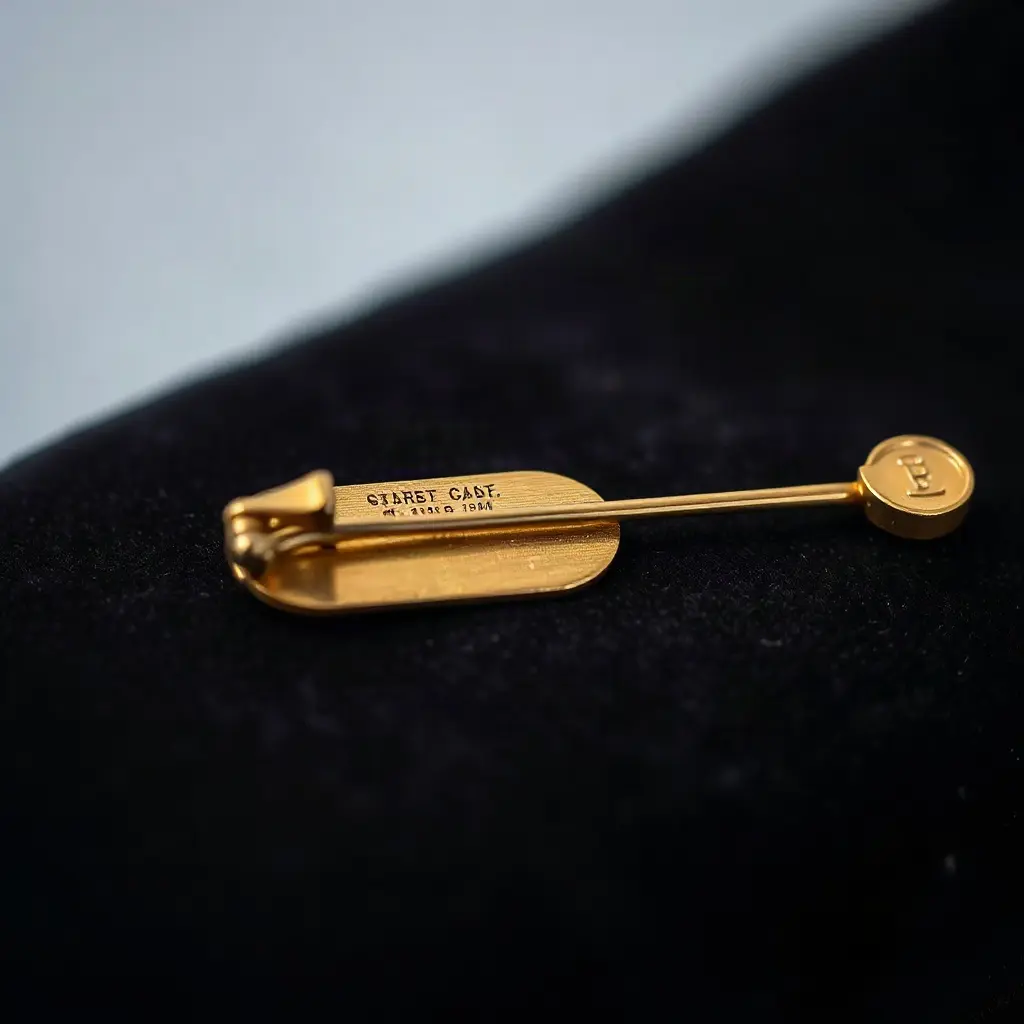
The Role of Weight in Estimating Base Metal Value
The weight of a gold tie pin is the primary variable used to calculate its intrinsic value. Professional appraisers measure these items in grams or pennyweights using calibrated electronic scales. The total weight of a piece does not represent the pure gold content, as most gold jewelry is alloyed with other metals such as copper, silver, or zinc to provide the necessary structural rigidity required for a pin mechanism.
When assessing value, the calculation focuses on the fine gold content rather than the gross weight. For example, a pin made from 18-karat gold contains 75 percent pure gold, while a 14-karat piece contains approximately 58.3 percent. Because tie pins are small, the weight of the clutch or the pin stem itself can sometimes distort the value if the stem is made of a base metal rather than precious metal. Experienced appraisers typically account for these variations by checking if the entire assembly is gold or if the pin mechanism is composed of a more durable, non-gold material.
Understanding Hallmarks and Karat Standards
Hallmarks are microscopic stamps impressed into the metal that provide essential information about the piece. In most regions, these marks are regulated to ensure consumer protection and transparency. A standard hallmark typically indicates the purity of the gold, often expressed in karats or as a three-digit millesimal fineness number, such as 585 for 14-karat or 750 for 18-karat gold.
In addition to purity, hallmarks may identify the manufacturer or the country of origin. These marks are usually located on the back of the pin or along the stem. The absence of a hallmark does not automatically mean an item is not gold, but it complicates verification. In such cases, professional testing methods, such as acid scratching or X-ray fluorescence, are employed to determine the composition without the need for traditional stamps.
Influence of Craftsmanship on Secondary Market Value
While the weight and purity provide a baseline value for the material, the artistry involved in creating the tie pin often commands a premium. A plain gold bar pin may hold a value close to its melt price, whereas a pin featuring intricate hand-engraving, filigree work, or enamel inlay reflects the labor and technical skill of the jeweler. This craftsmanship adds a layer of complexity to the valuation process.
Collectors often look for indicators of high-quality construction, such as sturdy hinges, secure clutches, and clean finishing work. Pieces that exhibit evidence of mass production often carry lower premiums than bespoke items made by recognized jewelry houses. When assessing value, the condition of the pin is also vital, as repairs or missing components can significantly decrease the appeal and market interest, even if the gold content remains high.
Gemstone Inclusions and Non-Gold Components
Many gold tie pins incorporate gemstones, ranging from precious stones like diamonds and sapphires to semi-precious options like onyx or mother of pearl. These components contribute significantly to the total value of the item. Evaluating a gem-set pin requires separate assessments for the gold frame and the stones themselves. Factors such as stone weight, clarity, cut, and color must be considered alongside the gold's purity.
It is important to note that the presence of stones can occasionally mask the weight of the gold. In some designs, the settings used to hold these stones are heavy or ornate, which increases the overall gram weight of the piece. Appraisers must distinguish between the weight of the metal and the weight of the stones, as their valuation metrics are distinct. Furthermore, certain antique or vintage pins may contain materials like coral or ivory, which are subject to different trade regulations and can influence the legality and ease of resale.
The Impact of Market Fluctuations on Gold Valuation
The value of a gold tie pin is inherently linked to global market conditions. Gold is a commodity, and its price per ounce is determined by supply, demand, and economic trends. Because gold tie pins have relatively low weights, their intrinsic value can fluctuate alongside the broader gold market, although the physical weight of a single pin is often too small to see dramatic daily changes in total value.
When assessing value, one must differentiate between the intrinsic value of the metal and the market price for the item as a finished accessory. Typical ranges for gold tie pins on the secondary market are broad, often spanning from $100 to over $1,500 depending on the weight, rarity, and brand provenance. Market volatility means that historical price benchmarks may not reflect current assessments, and it is common for the price of gold to be quoted as a spot price per troy ounce, requiring conversion when measuring a small piece.
Authentication and Professional Appraisal Practices
Determining the true nature of a tie pin often necessitates professional appraisal, especially when dealing with vintage or unmarked items. Professionals use non-destructive testing to verify the composition. This prevents damage to the finish while ensuring the gold content is accurately identified. Relying on visual inspection alone can be deceptive, as base metals are frequently gold-plated or gold-filled, which may resemble solid gold to the untrained eye.
For those interested in the history or value of a particular pin, consulting with a gemologist or an established jeweler is the most common path. These professionals provide a detailed breakdown of the material, the weight, the hallmark meanings, and the historical context. They also maintain awareness of common forgeries, such as items stamped with purity marks that do not match the actual metal content. Proper documentation of these findings provides the most accurate picture of what a gold tie pin represents in terms of both material composition and potential market standing.