Silver sugar bowls: hallmarks, weight and current metal value
Silver sugar bowls have long been staple pieces in formal tea and coffee services, serving both a functional role and as decorative items in a household. Evaluating these pieces often involves examining specific physical indicators, such as hallmarks, which provide a history of the item's origin and composition. Understanding these factors is essential for anyone interested in the preservation or appraisal of antique and vintage silver holloware.
Understanding Silver Hallmarks and Origin
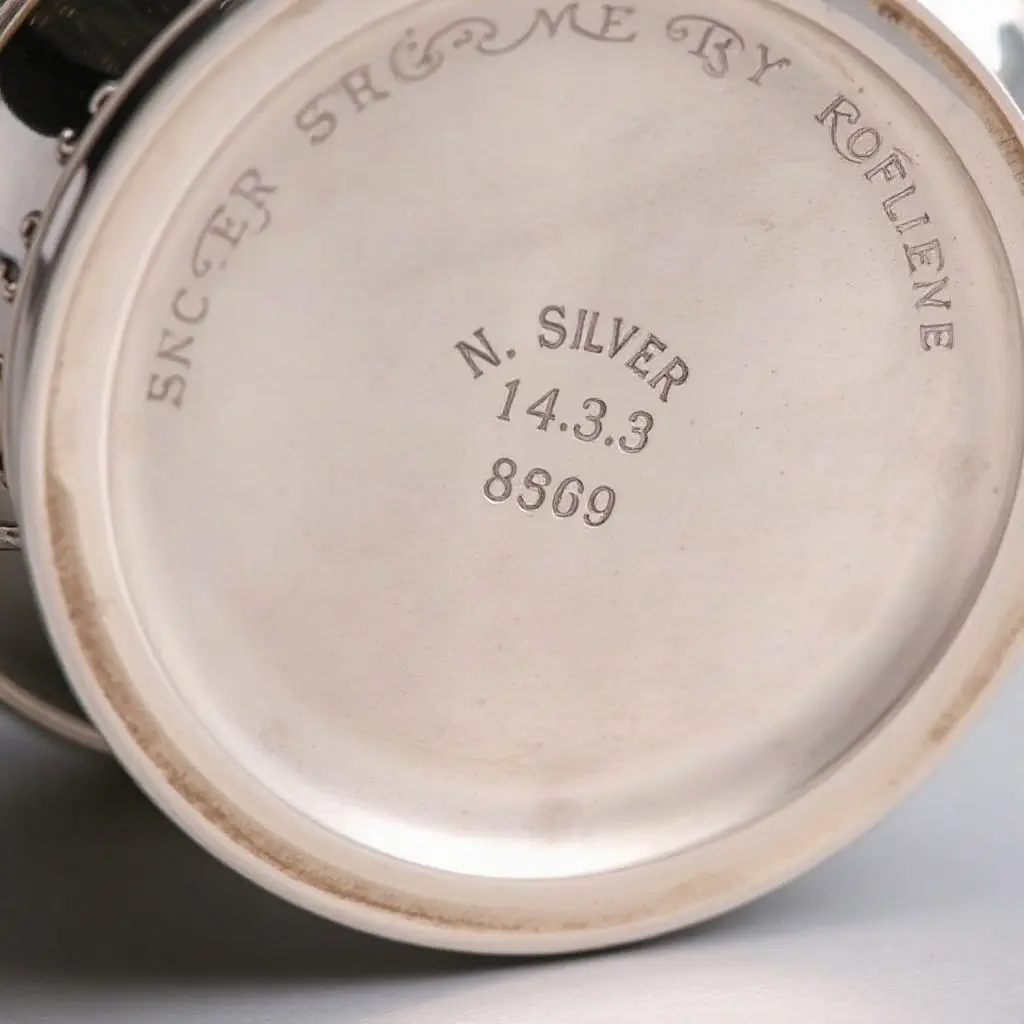
Hallmarks serve as the primary method for identifying the metal purity and origin of a silver sugar bowl. These small stamped marks are typically found on the bottom of the bowl or near the rim. A standard hallmark system usually includes a series of stamps that indicate the city of origin, the date of manufacture, and the silversmith who created the piece.
Decoding Metal Purity Stamps
- Sterling silver is commonly marked with the lion passant, indicating a purity of 925 parts per thousand.
- Continental silver, such as those from Europe, often uses numerical marks like 800, 830, or 900 to denote the silver content.
- Old Sheffield Plate or silver-plated items lack these precious metal hallmarks and instead feature maker marks or symbols that identify the plating process.
The Role of Weight in Determining Value
The weight of a silver sugar bowl is one of the most direct factors in determining its metal value, though it is not the only metric. When evaluating a piece, the weight is measured in troy ounces or grams. It is important to distinguish between the gross weight of the bowl and the actual silver content, as some designs may include decorative handles or feet made of non-silver materials or weighted bases.
In the market for precious metals, the scrap value is calculated by multiplying the weight of the pure silver content by the current market spot price. However, items that are intact as functional or collectible antique pieces are often valued based on their historical significance, artistic design, and craftsmanship rather than the raw metal content alone. Heaviness alone does not always translate to higher value, as the thickness of the silver sheets used in construction varies by period and style.
Current Metal Value and Market Trends
The value of the silver used in a sugar bowl is dictated by the global spot price, which fluctuates daily based on industrial demand and economic factors. When professionals assess the value of an item, they look at the spot price and subtract refining costs to arrive at an estimated melt value. This figure represents the floor price for the item, assuming it has no antique or collector interest.
For owners of older or ornate silver items, the market price for the object as a whole often exceeds the simple melt value. Many silver sugar bowls are collected as part of larger tea sets or for their association with specific historical silversmiths. The condition of the piece, including the presence of dents, significant tarnish, or repairs, can also affect how the market perceives the value of a specific bowl.
Variations in Silver Composition and Quality
Not all silver sugar bowls are made of solid silver. Throughout history, manufacturers have utilized various techniques to make silver-toned items more accessible. Understanding these variations helps in identifying whether an item is solid silver or plated. Solid silver items typically feel cooler to the touch and develop a patina that can be polished back to a shine, whereas plated items may show signs of base metal, such as copper or brass, peeking through where the silver plating has worn away.
The construction method is another key factor. Hand-hammered bowls from the Arts and Crafts era, for instance, have a different aesthetic and value profile than mass-produced, machine-spun bowls from the mid-20th century. The complexity of the handle attachments, the detail of the chased or engraved decorations, and the thickness of the silver all contribute to the item's durability and overall desirability in the secondary market.
Factors That Influence Appraisal and Assessment
When assessing a silver sugar bowl, several variables come into play. Age is a significant factor, as pieces from the 18th or 19th centuries are often highly sought after by collectors. Additionally, the reputation of the silversmith can elevate a piece from a simple utility item to a work of art. Well-known makers often have their own specific hallmark patterns that collectors look for.
Condition is paramount. A sugar bowl that retains its original shape without structural repairs, significant dents, or thinning silver is generally more valuable. Professional appraisals typically involve a close inspection of the seams and the interior of the bowl to check for signs of past restoration or damage. Collectors also prioritize items that are part of a complete set, as a matching sugar bowl and creamer often command a higher interest than a lone piece.
Storage and Care of Silver Holloware
Preserving the integrity of a silver sugar bowl involves careful handling and storage. Silver reacts with sulfur in the air, which leads to tarnishing over time. To minimize this, owners often keep their silver in specialized anti-tarnish bags or display cases that reduce exposure to humidity and atmospheric pollutants. Frequent, gentle polishing is usually preferred over aggressive scrubbing, which can wear down delicate engravings or hallmarks.
When cleaning a bowl, it is important to use materials that are non-abrasive to prevent scratching the surface. Soft cloths and cleaning solutions designed specifically for silver are commonly used to remove tarnish while protecting the underlying metal. Proper maintenance ensures that the hallmarks remain legible and the silver retains its luster, both of which are essential for maintaining the potential market interest in the piece for years to come.