2 nights in Shrewsbury: rail travel and hotel options compared
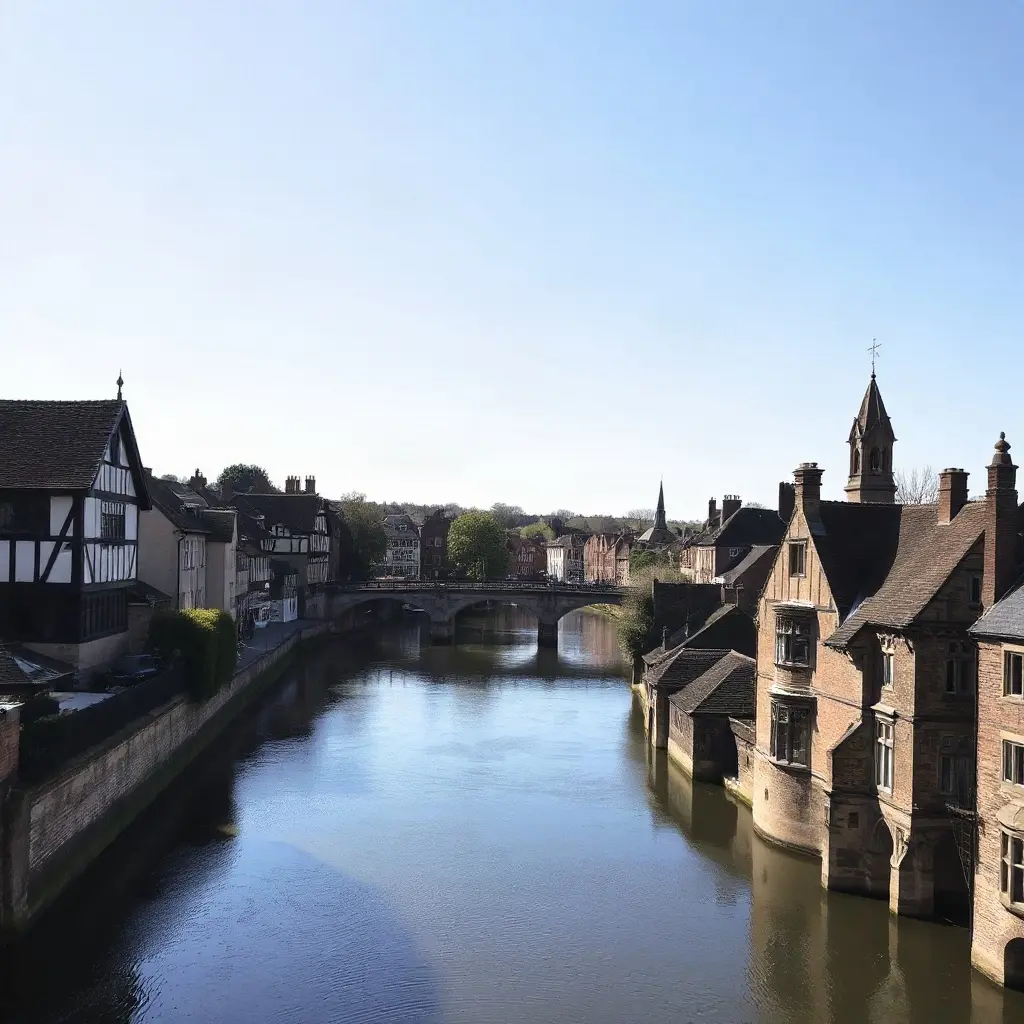
Shrewsbury, a historic market town known for its timber-framed buildings and loop in the River Severn, is a frequent destination for travelers seeking a mix of heritage and convenience. Planning a short trip, such as a two-night stay, often involves navigating rail connections from major urban centers and selecting from a diverse local hospitality market. Understanding how these travel and lodging components function allows for a more informed approach to organizing a visit to this region.
Rail Travel Logistics to Shrewsbury
Shrewsbury benefits from a central station that connects to major regional and national networks. Travelers often arrive via services originating from Birmingham, Manchester, or London Euston, though direct connections can vary depending on the time of day and the operator. The duration of the journey is heavily influenced by the starting point and whether a change at hubs like Wolverhampton or Crewe is necessary.
When planning rail travel for a two-night excursion, it is common to encounter different classes of service. Standard class is the most frequent option, providing typical seating arrangements. Some long-distance routes may offer an upgraded class, which generally includes more legroom and additional power outlets. Prices for these tickets vary widely based on how far in advance they are sourced and the specific time of travel. Generally, off-peak tickets are lower in price, whereas peak-time travel during weekday mornings and late afternoons often incurs higher costs.
Types of Hotel Accommodation
The hospitality scene in Shrewsbury reflects the town’s architectural history. Visitors typically choose between boutique establishments located in converted period buildings, larger chain hotels, or small, independently managed guesthouses. These options offer vastly different experiences regarding character, location, and the range of amenities provided.
- Boutique and historic hotels: These are often situated in the medieval center, providing proximity to landmarks such as Shrewsbury Castle and the Quarry Park. They typically prioritize original architectural features.
- Chain hotels: Often found slightly further from the immediate historic core, these providers offer consistent, standardized room designs and predictable amenity sets.
- Bed and breakfasts: These smaller operations provide a more residential feel, often managed by local hosts, and are frequently located in the outskirts or within quieter residential streets near the town center.
Factors Influencing Accommodation Pricing
The cost of staying for two nights in Shrewsbury fluctuates based on several variables, including the time of year and the proximity of the hotel to the town center. During local festivals or peak holiday weekends, prices typically increase due to higher demand. Conversely, mid-week stays during non-holiday periods are generally priced at lower tiers.
A basic room in a standard chain hotel might start at a lower price point, whereas rooms in luxury-leaning, historic, or centrally located boutique hotels usually range higher. Additional services, such as parking, which can be limited in the historic town center, and breakfast inclusions, often act as factors that differentiate the final cost of a two-night stay. It is common for hotels to offer different room grades, such as classic, superior, or suite, each with a corresponding price adjustment.
Navigating the Town Without a Vehicle
Since the town center of Shrewsbury is relatively compact and pedestrian-friendly, many visitors find that rail travel is a sufficient way to reach the destination. The walk from the railway station to the central shopping and historic areas is generally manageable for those without mobility concerns. Local bus services also operate, providing links between the station, the town center, and outlying districts if required.
For those who prefer not to walk, local taxi services are available. It is helpful to consider the location of the chosen hotel in relation to the station to determine if local transport or walking is the most practical method of arrival. Hotels located on the periphery of the town may require a short taxi ride or bus journey, while those in the center are usually within a ten-minute walk of the station platform.
Seasonal Variations in Visitor Activity
The experience of a two-night stay in Shrewsbury can vary significantly depending on the season. Summer months typically see higher levels of tourism, impacting the availability and pricing of hotel rooms. During this time, the town’s outdoor spaces, such as the Quarry, are popular focal points for residents and visitors alike.
Winter months often present a quieter atmosphere. While some outdoor activities may be limited by weather, the town’s indoor museums, historic sites, and independent eateries remain central features. Prices for both rail tickets and accommodation are often more competitive during the late autumn and winter seasons, excluding the period immediately surrounding holiday festivities and winter markets, which can draw significant crowds and cause a temporary spike in demand.
Considerations for Short-Stay Planning
When organizing a two-night trip, the primary logistical hurdle is often the balance between travel time and the desire to maximize time spent in the town. Checking the frequency of rail services on both the arrival and departure days is a useful step, as weekend engineering work or reduced service schedules can occasionally impact travel plans.
Regarding accommodation, observing the check-in and check-out times is important for maximizing a two-night visit. Many hotels offer luggage storage if visitors arrive before check-in or depart after check-out, allowing for more flexibility in exploring the town without the burden of belongings. Assessing the location of the hotel early in the planning process helps determine whether the convenience of a central location or the potential quiet of an edge-of-town guesthouse is preferred for a short visit.