
3 nights in Amsterdam with return flights and central hotel included: an independent cost and planning guide
Key facts
- Published 2026 Amsterdam guides put three-day trip costs at about €310 to €905, depending mainly on accommodation and meals. 1 2
- Schiphol to Amsterdam Centraal takes about 17 minutes by train, with a reported fare of approximately €4.40. 1
- Budget hotel rooms are reported at €60 to €125 nightly in low season and €180 to €350 in July and August. 2
- A three-night stay usually means three hotel nights, with usable sightseeing time shaped by flight schedules and check-in hours.
A three-night Amsterdam break with return flights and a central hotel is usually a short, coordinated travel arrangement rather than a guarantee of a particular airline, room or neighbourhood. The practical value depends on departure airport, flight times, baggage rules, hotel distance from attractions, meals, local taxes and transport between Schiphol and the city. Amsterdam is compact around its historic centre, but the word “central” can cover several districts with noticeably different travel times.
What a three-night arrangement normally covers
In a typical flight-and-hotel city break, the air component means a scheduled journey from Ireland to Amsterdam and a separate return journey. The hotel component generally means three consecutive nights, often based on two people sharing a room. Room-only accommodation is common, although some arrangements specify breakfast. A three-night stay is not the same as three complete sightseeing days because arrival and departure times can reduce the first and final days substantially.
Items described as included should be separated from items that remain conditional. A basic air fare may have a restricted cabin-bag allowance, paid seat selection or limited changes. The accommodation description should identify the property, room occupancy, bed arrangement, check-in time and cancellation conditions. Meals, airport transfers, city tax, attraction admission, travel insurance, luggage beyond the stated allowance and local transport may be separate. These distinctions matter more than the headline wording when comparing total trip cost.
Typical 2026 costs and the main variables
Published 2026 Amsterdam guides place a three-day budget at approximately €310 to €420 for a budget visit and €740 to €905 for two people on a mid-range visit, or about €370 to €450 per person in the latter example. 1 Another 2026 guide estimates daily spending excluding accommodation at €75 to €100, including transport, one museum and simple meals. 2 These are planning benchmarks, not prices for a particular package.
| Cost area | Reported 2026 indication | What changes it |
|---|---|---|
| Budget hotel room | €60 to €125 per night in low season | Location, dates, room type and cancellation terms 2 |
| Peak-season hotel room | €180 to €350 per night in July and August | Summer demand and local events 2 |
| Airport train | About €4.40 one way | Destination, ticket method and fare changes 1 |
Airfare and hotel totals can move independently. A low air fare may require luggage or seat additions, while a cheaper room may sit farther from the museums and canals. Dates, occupancy, weekday patterns, school holidays and major events can alter the combined amount. A package total should therefore be assessed against its complete conditions, not only its per-person headline.
Irish departure points and the Schiphol connection
Dublin is a common reference point for Amsterdam travel from Ireland, while Cork may also appear in itinerary comparisons. The relevant question is not only the departure airport but also the departure time, airport transfer, baggage cut-off and return arrival time. A morning outbound flight can create a useful first day, whereas a late arrival may leave little more than hotel check-in and dinner before the first full day begins.
Amsterdam Airport Schiphol is connected with the centre by rail, bus and taxi. A 2026 travel guide reports that the train to Amsterdam Centraal takes about 17 minutes and costs around €4.40, while a bus journey is approximately 45 minutes and about €5 to €6. Taxi journeys are reported at roughly €30 to €50, depending on destination and traffic. 1 The hotel’s exact location determines whether Centraal is the final stop or whether a tram, metro, walk or taxi is still needed.
What “central hotel” can mean
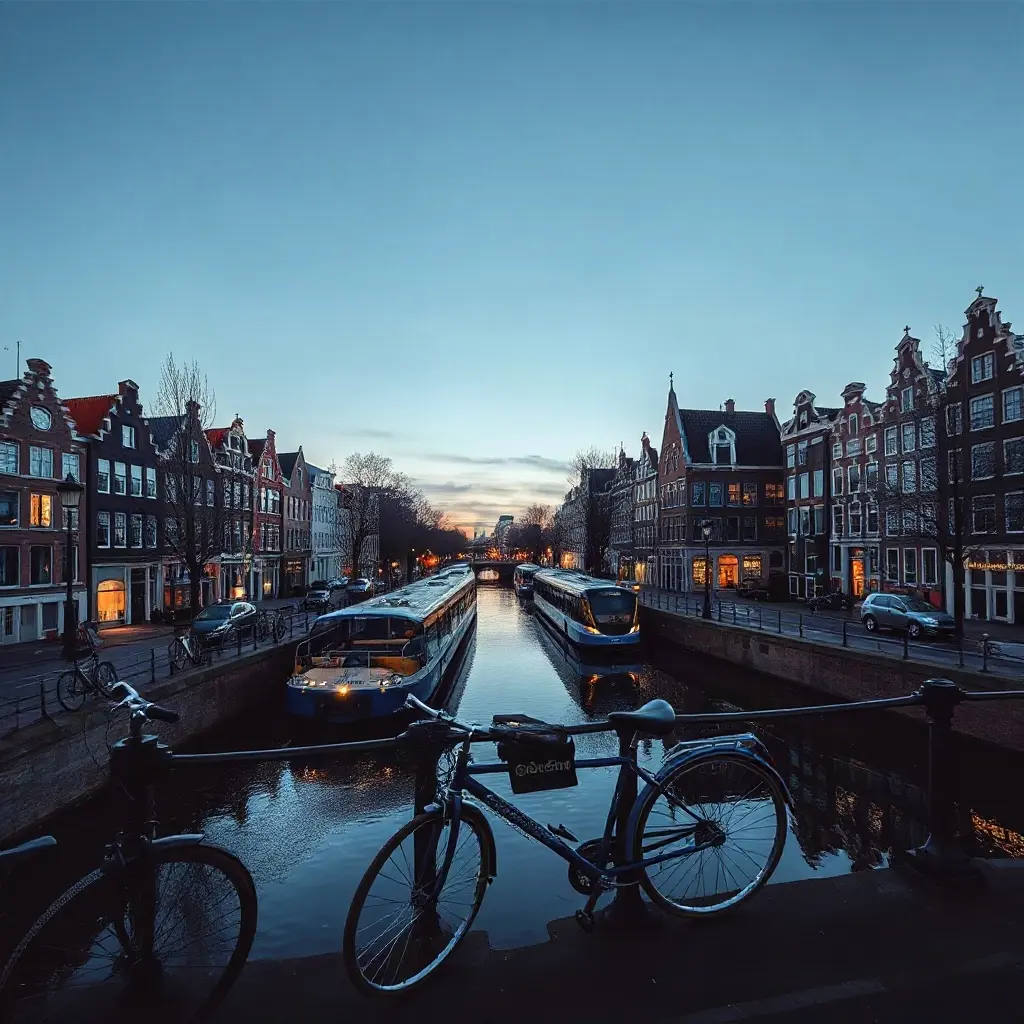
“Central hotel” is a descriptive marketing term rather than a fixed Amsterdam accommodation category. It may refer to the historic centre near Dam Square and the canal belt, the Jordaan, De Pijp, the Museumplein area, Oud-West or a nearby district with strong public transport. A hotel outside the oldest centre can still be convenient, while a property technically within the city may require substantial walking or a change of transport to reach major sights.
Before comparing rooms, the useful details are the street or district, walking time to the nearest tram or metro stop, distance from Amsterdam Centraal, room size, lift access, reception hours and whether breakfast is part of the stated arrangement. A four-star label also does not define location, bed type or view. The accommodation may be quiet and comfortable but still sit in a business or residential area rather than beside the canals.
What fits into three nights
A short itinerary can reasonably combine the canal belt, Dam Square, Jordaan and Vondelpark with one or two major museums. The Rijksmuseum and Van Gogh Museum area is concentrated around Museumplein, while canal cruises provide a different view of the historic centre. Anne Frank House, popular museums and timed attractions may require advance reservations, and their opening arrangements can affect the order of a day.
The first day is best treated as a partial day unless the flight arrives early and the hotel permits luggage drop-off. The second day can carry the main museum or canal programme, while the final day should allow time for checkout and the journey to Schiphol. Cycling is widely associated with Amsterdam, but traffic awareness is essential because bicycles, trams, pedestrians and cars share busy streets. Walking and public transport may be simpler for a first short visit.
Conditions, documents and comparison risks
Travellers from Ireland should check the current entry-document rules that apply to their nationality and circumstances before departure, including passport validity and any applicable travel-health requirements. The flight booking name should match the travel document. Separate checks may be needed for minors, dual nationals, longer stays or onward travel. These requirements can change, so official government and transport information should take priority over an old itinerary summary.
The main comparison risks are unclear baggage allowances, split suppliers, non-refundable rooms, different airport terminals, late check-in rules, city taxes and transfers described vaguely. A central location may also mean smaller rooms, street noise or higher accommodation costs. The most reliable comparison records the outbound and return times, exact hotel address, board basis, luggage allowance, taxes, cancellation terms and every excluded transport or attraction cost. That checklist reveals whether a three-night schedule is genuinely practical for the intended traveller.
Sources
- Three days in Amsterdam: a real budget breakdown with actual numbers: https://www.amsterdam-spirit.com/blog/three-days-amsterdam-budget-breakdown/
- Amsterdam on a Budget: Save Money in 2026 | Nomado Travel: https://www.nomadotravel.app/en/guides/amsterdam-on-a-budget