What a Gardener Charges per Hour in 2026
What a gardener charges per hour in 2026 varies widely because gardening includes everything from routine weeding to specialist tree work. This guide explains the approximate hourly rates used in different markets, what those rates usually cover, how gardeners set their charges, and why the final amount can differ from a simple hourly calculation.
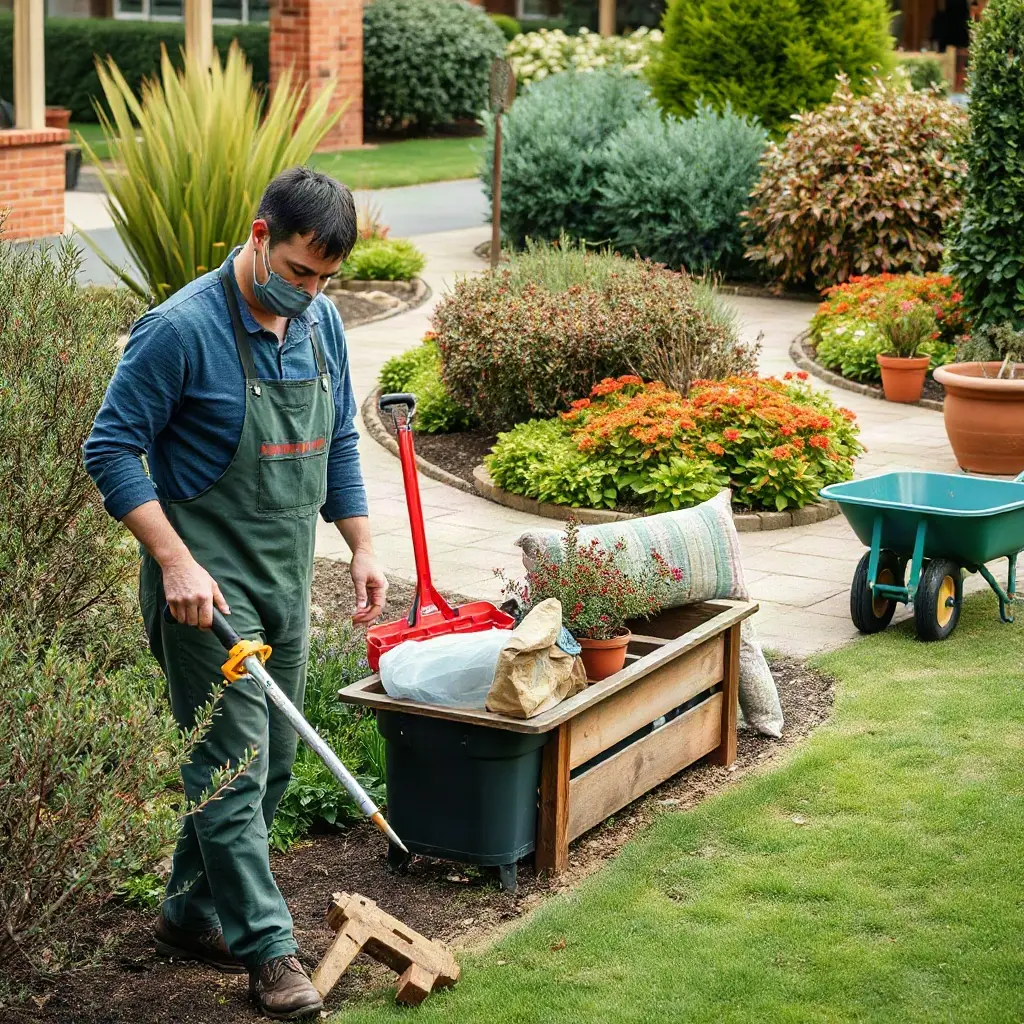
Typical gardener hourly rates in 2026
For routine work such as weeding, pruning shrubs, planting, edging lawns and general tidying, an independent gardener commonly charges about US$25 to US$60 per hour in 2026-equivalent terms. A gardening company often charges approximately US$40 to US$90 per hour because the rate may include business overhead, insurance, transport, equipment and administration. These are broad planning figures rather than a universal tariff.
Specialist horticultural work generally costs more. Soil testing, plant diagnosis, formal pruning, restoration of neglected beds and work involving difficult plants may fall around US$60 to US$120 per hour. Rates in other currencies can look different while representing a similar labor market. For example, broad local ranges may be around £20 to £45 per hour in the United Kingdom, C$30 to C$70 in Canada, or A$35 to A$75 in Australia. Local wages, taxes and travel distances have a major effect.
What an ordinary hourly gardening service includes
An hourly gardener normally spends the agreed time on practical maintenance rather than designing an entire landscape. Common tasks include removing weeds, cutting back perennials, deadheading flowers, planting small plants, spreading mulch, turning compost, sweeping paths, watering beds and trimming small shrubs. Some gardeners also edge lawns or carry out light lawn mowing when suitable equipment is available.
The hourly rate may cover labor only, or it may include ordinary hand tools. Plants, compost, mulch, fertilizer, replacement parts and disposal of large amounts of green waste are often separate costs. Tree removal, stump grinding, paving, retaining walls, irrigation installation and large-scale landscape construction usually require a different trade or a project-based price rather than a standard gardener's hourly rate.
How rates differ by gardener type in 2026
A solo gardener often has lower overhead and may handle recurring maintenance personally. A company may send one worker or a team, and the quoted hourly rate can reflect vehicles, supervision, commercial insurance and equipment. A two-person crew can complete some tasks faster, but the labor charge may be calculated for each worker, making two hours of work equal to four labor hours.
Horticultural knowledge also affects the rate. A gardener who mainly clears beds and mows grass usually charges less than someone who can identify plant diseases, prune fruit trees, manage roses or restore specialist borders. Arborists who climb, use chainsaws or remove branches are not simply higher-priced gardeners. They perform safety-sensitive tree work that may require qualifications, protective equipment and separate insurance.
Why the same garden can have a different hourly charge
Garden condition is one of the biggest variables. A maintained garden with clear access takes less time than an overgrown plot containing brambles, dense roots or compacted soil. Narrow gates, stairs, long paths and a lack of vehicle access can add labor. Heavy lifting, repeated trips to a vehicle and work on slopes may also raise the rate or extend the visit.
Travel, tools and seasonal demand influence pricing as well. A provider located far from the property may add a travel amount, while specialist machinery can be charged separately. Spring growth, autumn leaf clearing and storm cleanup can increase demand. Some gardeners set a minimum visit of two or three hours because a short visit may not cover travel and setup. Rates can also include business taxes or insurance in one area but list them separately in another.
- Routine maintenance: approximately US$25-US$60 per hour for an independent gardener.
- Company or insured maintenance service: approximately US$40-US$90 per hour.
- Specialist horticultural work: approximately US$60-US$120 per hour.
- Materials, equipment hire, plant purchases and substantial waste disposal: often additional.
How gardeners set the price and arrange the work
Gardeners are usually found through local business directories, personal referrals, community listings, horticultural groups or company websites. The provider, not an advertising page, decides the rate and any minimum visit, travel charge or material policy. A property owner normally describes the garden, sends measurements or photographs when appropriate, and explains the tasks and preferred frequency.
The gardener may then give an hourly rate, an estimated number of labor hours, or a fixed price for a clearly defined task. Before work starts, the practical arrangements should state which tasks have priority, whether the clock includes loading and waste handling, who supplies materials, and whether more than one worker will attend. Weather can change outdoor schedules, particularly for pruning, planting and soil work, so the agreed conditions should explain how delays are handled.
Examples of 2026 hourly cost calculations
At a rate of US$40 per hour, a two-hour visit represents about US$80 for labor before materials or disposal. A four-hour visit at US$55 per hour represents about US$220. If two workers each spend three hours on the property at US$45 per labor hour, the labor total is about US$270, even though the work takes three clock hours.
Consider a neglected garden requiring six hours at US$50 per hour. The labor estimate would be about US$300. If the job also involves purchased mulch and a separate charge for removing several bags of waste, those amounts increase the total. The calculation shows why an hourly rate alone does not describe the complete cost. A smaller garden can still require more time if access is difficult or growth is dense.
Questions, requirements and risks to consider
There is no single worldwide license for ordinary gardening. Requirements are set by local authorities and by the provider's own business practices. Routine mowing and weeding may not require formal qualifications, while pesticide application, chainsaw use, tree climbing, electrical work and commercial waste transport can be regulated or subject to specific training and insurance requirements.
A clear written description reduces disputes about unfinished tasks, plant damage and waste. It is also useful to establish who is responsible for accidental damage to irrigation lines, underground services, fences or valuable plants. Very low hourly figures may exclude travel, equipment, taxes or disposal, while unusually high figures may reflect specialist expertise or a team rather than one worker. Comparing the scope of work and total estimated labor is more informative than comparing the hourly number alone.