
Full Denture Replacements: Current HSE Coverage and Patient Guidelines
Full denture replacements are a common dental procedure for individuals experiencing significant tooth loss or those with aging, worn-out existing appliances. Understanding how these replacements are handled within public health systems requires insight into the eligibility criteria, the standard processes for assessment, and the limitations of coverage provided by government-funded health agencies. While specific public health programs vary significantly by region and current policy, there are consistent factors that influence how a patient accesses these dental health services.
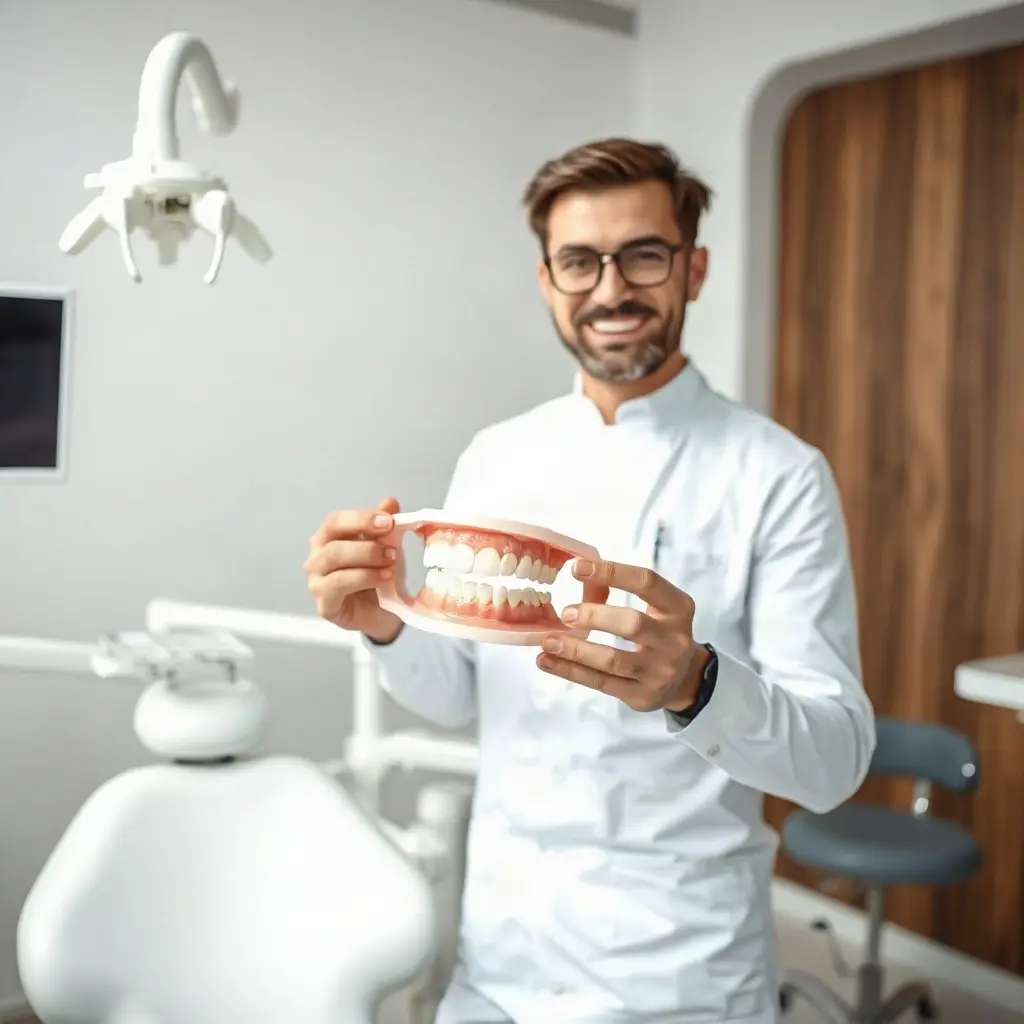
The Scope of Public Dental Coverage for Prosthetics
In many public health systems, dental services are partitioned into tiers based on urgency, age, and social contribution or necessity. Public coverage for full dentures often falls under categories reserved for medical necessity rather than cosmetic enhancement. This means that a person seeking a replacement must usually demonstrate that their current appliance is non-functional or is causing active physical harm to their oral health, such as ulcerations or significant nutritional impairment.
The coverage typically extends to the clinical assessment, the manufacturing of the prosthetic, and the necessary follow-up fittings. However, it is important to distinguish between essential restorative care and elective upgrades. High-end materials or specialized retention systems, such as implant-supported dentures, are rarely covered by baseline public health programs, as these are often classified as advanced surgical or elective procedures rather than standard restorative care.
Criteria for Clinical Eligibility and Assessment
Eligibility for public dental assistance is rarely automatic. Most public health agencies utilize a screening process to determine the clinical necessity of a full denture replacement. This process usually begins with an examination by a registered dentist or a dental technician who evaluates the state of the existing dentures and the underlying oral tissues. Factors such as bone resorption, the stability of the current prosthetic, and the health of the gingival tissue are key metrics for determining the need for a new device.
- Clinical validation of non-functionality or tissue trauma caused by the current denture.
- Verification of residency or citizenship status, if applicable to the specific public program.
- Adherence to mandatory waiting periods between replacements to ensure that public resources are managed sustainably.
- Referral pathways that must be followed before a patient can access secondary or tertiary dental care services.
Typical Durations and Service Frequency
A common question regarding dental prosthetics is how often they should be replaced. While public programs aim to support long-term oral health, they also operate under budgetary constraints, leading to set timelines for replacement services. A full set of dentures is designed to last for a significant period, but regular wear and the natural physical changes in the jawbone mean they eventually lose their fit. Typically, public health guidelines suggest that a replacement may be considered every five to seven years, provided the patient can prove that the current set no longer provides adequate function or comfort.
Patients should expect a multi-stage process when they are approved for replacement. This sequence often includes an initial consultation, the taking of impressions or molds, a series of try-in appointments to check the bite and aesthetic alignment, and finally, the delivery and adjustment phase. The total duration from the first appointment to receiving the finished product can vary based on the capacity of the local public dental clinic and the laboratory turnaround times for manufacturing the prosthetic.
Understanding the Financial Considerations of Dental Care
While some aspects of dental care may be provided by government schemes, the concept of a totally free service is often a misconception. In many regions, there are tiered financial structures where patients might be expected to contribute a co-payment or a portion of the laboratory costs, especially if they choose options outside of the standard public offering. These costs are highly variable and depend on the region, the type of insurance or social program involved, and the complexity of the clinical case.
The price range for these services, if one were to seek them outside of a public scheme or if partial payment is required, can range from a few hundred to over a thousand currency units depending on the materials used, such as acrylic versus high-impact resin, and the necessity of surgical preparation for the gums. Patients are generally advised to consult with their local health authority or a dental clinic to clarify the specific financial contributions required for their unique situation, as there is no universal pricing structure for dental prosthetics.
Patient Guidelines for Proper Denture Maintenance
Once a full denture replacement is fitted, patient compliance with maintenance guidelines is critical to the longevity of the appliance. Public dental agencies often provide literature to help patients understand the daily requirements for hygiene and care. Failing to follow these guidelines can accelerate the wear and tear of the device, leading to a situation where a replacement is needed sooner than the standard public policy allows.
Effective daily habits involve removing the dentures at night to allow the oral tissues to breathe and recover from the pressure of the appliance. Proper cleaning involves using a soft-bristled brush and specialized non-abrasive cleaners, as standard toothpaste can create micro-scratches on the denture surface. These scratches harbor bacteria and can lead to fungal infections or unpleasant odors, which are common issues reported in public dental clinics when hygiene standards are not strictly met.
Limitations and Risks to Consider
When relying on public dental services for full denture replacements, it is essential to acknowledge the limitations regarding wait times and customization. Public clinics often serve high volumes of patients, which can result in significant delays between the initial request for care and the final delivery of the prosthetics. This is a standard reality of public health systems that manage high demand for specialized care.
Additionally, patients should be aware of the physical changes that occur over time. A denture that fits perfectly today may become loose in a few years due to the natural resorption of the alveolar bone. While a complete replacement is one solution, sometimes a reline or a minor adjustment is all that is clinically required. A common pitfall is assuming that a new set is always the answer when the primary issue is simply an adjustment to the existing base, which is a faster and more cost-effective way to restore comfort for the patient.