
Public dental health: A guide to HSE services for eligible residents
Public dental health initiatives provide a framework for oral care delivery to various segments of the population. In jurisdictions where the Health Service Executive (HSE) operates, these services are designed to ensure that specific groups, including children and medical card holders, have access to necessary dental treatment. Understanding how these public dental systems function is essential for navigating the range of services provided and identifying the pathways to access oral healthcare within the public system.
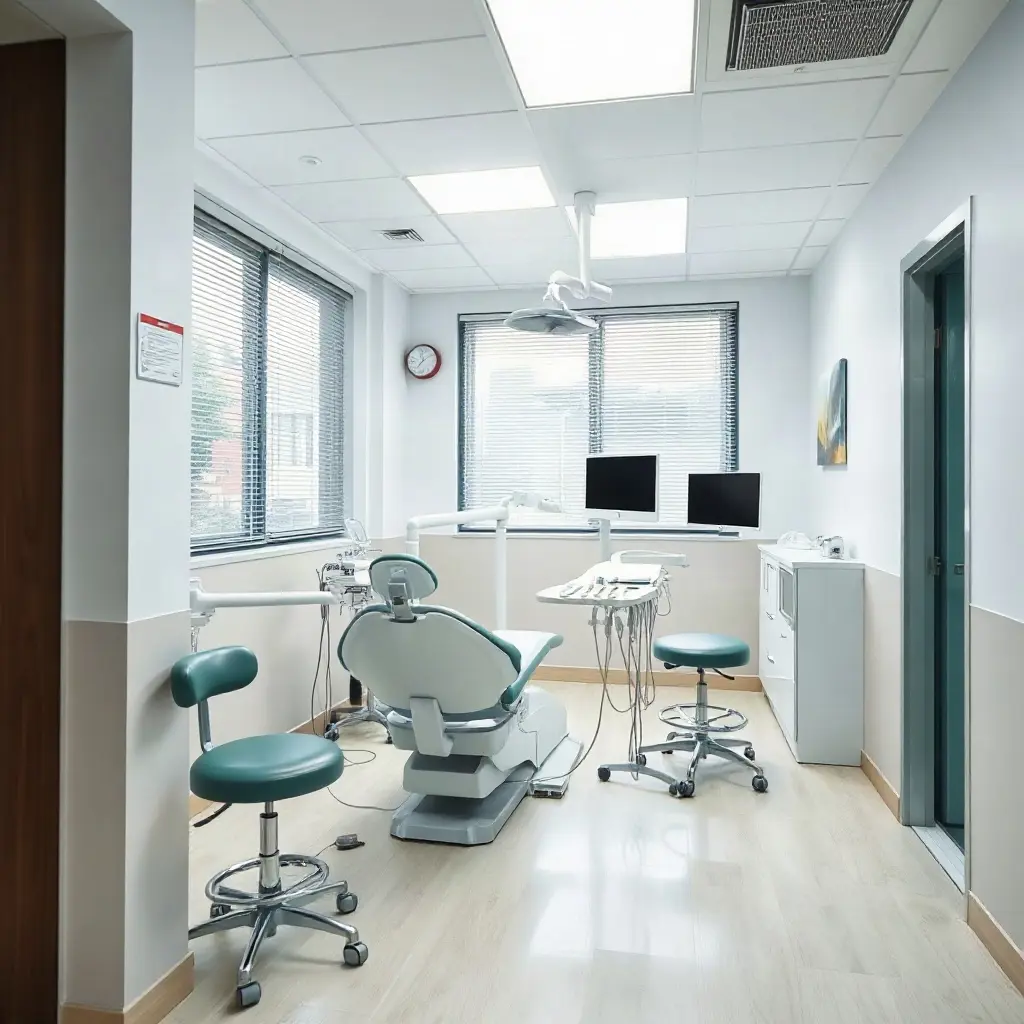
Eligibility Criteria for Public Dental Services
Access to public dental care is generally determined by age, residency status, and specific medical card entitlements. The HSE typically categorizes patients into groups, with the most comprehensive care often reserved for children, adolescents, and those who meet specific social or financial criteria. Residency in the relevant health authority area is usually a foundational requirement for accessing these services.
Medical card holders form a significant portion of those eligible for specific dental programs. Eligibility is not universal, and individuals are encouraged to verify their status through official documentation or by consulting with local health offices. The scope of treatment available to a cardholder may differ from the treatments available to children or those with specific medical conditions that require specialized dental intervention.
Dental Services Provided to Children and Adolescents
The provision of dental care for children is a cornerstone of public health strategy, often focusing on preventative measures and early intervention. Schools are frequently the primary point of contact for screening programs. These screenings aim to identify oral health issues such as tooth decay or malocclusion at an early stage, which can prevent more serious complications in adulthood.
Beyond standard screenings, children may be referred for restorative treatments, including fillings and extractions, when necessary. Orthodontic treatment is another component of pediatric public dental health, though access to this is often strictly prioritized based on the severity of the clinical need. Because public resources are finite, orthodontic care is usually reserved for those with the most significant functional or aesthetic requirements.
Scope of Routine and Emergency Dental Care
Public dental services generally cover a defined set of routine procedures. For eligible adults, these often include standard examinations, basic restorations, and necessary extractions. The primary goal is to maintain basic oral function and alleviate pain. It is important to note that elective or cosmetic procedures, such as teeth whitening or complex restorative work like bridges and crowns, are typically excluded from the standard public offering.
Emergency dental care is managed through different pathways than routine check-ups. When a patient experiences acute pain, severe infection, or dental trauma, public clinics often have designated procedures to triage and treat these urgent cases. Availability can vary depending on local clinic capacity, and individuals are usually advised to contact their nearest HSE dental clinic directly to understand the local arrangements for emergency referrals or appointments.
The Role of Local Dental Clinics
Local dental clinics serve as the primary hubs for executing public health policy at the community level. These facilities are staffed by dental surgeons, nurses, and hygienists who operate within the national health framework. The capacity of these clinics to handle patient volume depends on staffing levels and the specific requirements of the local population they serve.
When seeking care, individuals often need to register with their local clinic. The process typically involves providing identification and proof of eligibility, such as a medical card number. Once registered, a patient may be placed on a waiting list for non-urgent treatments. Understanding that waiting times for routine care can fluctuate based on regional demand is helpful for those navigating the system.
Professional Referral Systems and Specialist Care
In instances where a patient requires specialized treatment that exceeds the scope of a general dental clinic, the public system utilizes a referral pathway. This might involve sending a patient to a dental hospital or a specialist consultant for complex oral surgery, advanced periodontics, or specialized pediatric care. These referrals are typically made by a public dental surgeon after an initial assessment.
Specialist care is subject to clinical assessment to determine the priority level of the case. Because specialized resources are concentrated in fewer locations compared to general dental clinics, the travel distance and wait times for these services can be more significant. The referral process ensures that patients with the most complex clinical needs receive care from appropriately trained professionals within the public health network.
Navigating Changes and Updates in Public Oral Health
Public dental programs are subject to periodic adjustments based on shifts in policy, resource allocation, and public health priorities. What constitutes a covered service or the specific eligibility thresholds can be updated over time. Keeping informed through official government communications or public health service updates ensures that residents remain aware of any changes that might affect their access to dental care.
Residents should also be aware that the system relies on a partnership between the patient and the provider. Maintaining good oral hygiene and attending scheduled screenings are expectations that help the system operate efficiently. When questions arise regarding coverage or individual status, reaching out to the administrative staff at a local health office remains the most reliable way to obtain specific information regarding available services and current waiting conditions.