
Havanese rescue dogs and puppies for adoption near you: A U.S. adoption and vetting guide
Key facts
- Dog adoption fees commonly range from $50 to $500 or more, varying by organization, location, age, and medical care.1 2
- Adoption fees often cover vaccinations, deworming, parasite treatment, a wellness examination, and sometimes sterilization and microchipping.1
- SNIPSA lists puppy fees starting at $300 and adult dog fees starting at $250, with specified veterinary services included.3
- Reputable rescue searches can combine state registries, breed-specific organizations, shelters, foster groups, and national pet-adoption databases.4 5
Havanese rescue dogs and puppies may be placed through municipal shelters, nonprofit humane organizations, foster-based programs, or groups focused on small companion breeds. Because availability changes by state and over time, “near you” generally means starting with nearby shelters and regional networks, then considering transport or travel when a suitable Havanese is located farther away. A careful search also involves reviewing health records, adoption policies, fees, and the organization’s operating practices.
What Havanese adoption can involve
The Havanese is a small companion breed known for being social, intelligent, and closely attached to people. Its coat is often described as non-shedding, but that does not mean maintenance-free: regular brushing and professional or at-home grooming may be necessary to prevent mats. Individual rescue dogs can differ substantially in age, training, energy, and comfort around children, dogs, or unfamiliar people.
Breed-focused rescues may accept purebred Havanese and mixes, while all-breed shelters may occasionally receive one through surrender, stray intake, or transfer. A puppy may require more frequent supervision, house-training, socialization, and veterinary appointments. An adult may have a clearer temperament and routine, but could also arrive with established habits or medical needs. The dog’s documented history should guide expectations rather than breed assumptions.
Where local and regional options come from
A practical search can include city or county animal services, private nonprofit shelters, foster-based rescue groups, and breed-specific organizations. Breed-specific groups may operate across several states without maintaining a public facility, relying on volunteers and foster homes instead. National adoption databases can help narrow searches by breed and location, but they should be treated as search filters rather than complete evidence of an organization’s quality.4 5
- Municipal shelters may have local intake and straightforward in-person procedures.
- Foster-based groups can provide observations about household behavior and routines.
- Breed-specific rescues may offer deeper knowledge of Havanese grooming, temperament, and common care issues.
- Regional transport can connect dogs from areas with more intake to areas with interested adopters, although travel and transition arrangements require careful review.
The usual application and home-screening process
Many rescue programs begin with an application covering housing, household members, work schedules, existing pets, experience, and plans for veterinary care. Personal and veterinary references may be requested, followed by an interview or home visit. The purpose is generally to assess fit and safety, not simply to process applications in the order received. A foster meeting may follow approval, and the final step normally includes an adoption contract and transfer of records.
- Submit household, housing, and pet-care information.
- Provide reference details and permission for veterinary-history checks where applicable.
- Discuss the dog’s activity level, behavior, health, and grooming requirements.
- Complete a home visit or virtual assessment if required.
- Meet the dog, review records, sign the contract, and confirm return or support policies.
Policies differ. For example, SNIPSA describes foster-home placement, an application review, a meet-and-greet with the foster parent, and an adoption process that follows approval.3 A city shelter may use a more direct process. Tulsa Animal Welfare, for example, describes an application, an animal visit, eligibility conditions, an adoption contract, and payment of the applicable fee on the adoption date.6
Typical fees and what they cover
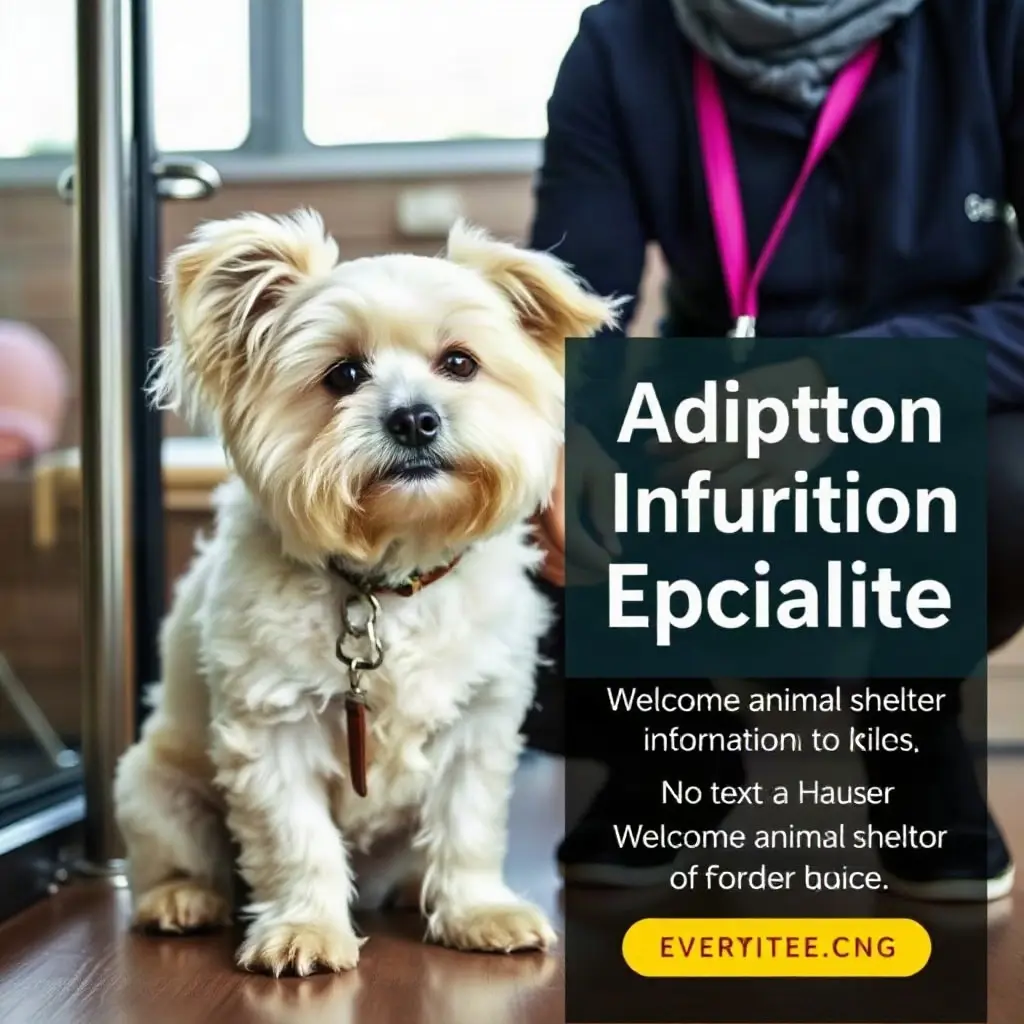
Published U.S. adoption guides place common dog adoption fees at about $50 to $500 or more, with variation linked to location, age, organization type, and veterinary spending.1 2 The fee is generally a contribution toward care rather than a simple purchase price. It may include an intake examination, core vaccinations, deworming, parasite prevention, microchipping, sterilization, and testing, but the exact bundle should be itemized before signing.
| Example or category | Published figure or coverage |
|---|---|
| General U.S. dog adoption range | About $50 to $500 or more, depending on the organization and circumstances.1 2 |
| SNIPSA puppies | Starting at $300, with listed veterinary services included.3 |
| SNIPSA adult dogs | Starting at $250, with listed veterinary services included.3 |
SNIPSA states that its fee includes a veterinary examination, microchip, sterilization surgery, two vaccines, dewormers, fecal testing, a heartworm test for dogs, and monthly preventatives.3 Other expenses can remain, including food, grooming, licensing, supplies, training, follow-up examinations, and treatment for conditions not covered by the organization. A higher fee is not automatically evidence of quality, and a lower fee is not automatically a warning sign.
How to assess a rescue’s legitimacy
A credible organization should explain its mission, intake practices, adoption contract, medical protocol, return policy, and contact information. State nonprofit or animal-welfare registries can help confirm that a group is operating as represented, while public records and consistent documentation provide useful context. A reputable rescue should be willing to discuss where dogs come from, how health information is obtained, and which services the fee includes.
- Look for a clear legal or organizational identity and a verifiable operating location or contact.
- Ask for vaccination, examination, microchip, sterilization, and medication records.
- Check whether the dog is living in a foster home or facility and whether behavior observations are documented.
- Read the contract, especially return, transfer, medical-disclosure, and refund provisions.
- Be cautious when pressure, vague medical claims, inconsistent photos, or requests for payment appear before meaningful questions are answered.
Independent rescue guidance recommends comparing the application, speaking with adopters or veterinarians familiar with the group, and checking local registration information rather than relying on a single online profile.5 Breed-specific searches also carry a travel risk because a desired breed may not be available in every state, and travel may be necessary for a suitable placement.4 Transport costs, stress, and the difficulty of meeting a dog beforehand should be considered.
Questions to ask about a Havanese
A home visit or coordinator interview is an opportunity to clarify practical care, not merely to demonstrate eligibility. Questions should focus on the individual dog’s observed behavior and medical history. Havanese can be sociable, but each rescue dog may have different reactions to handling, grooming, separation, noise, children, and other animals. Foster notes are valuable because they describe behavior in a household rather than only in a kennel.
- How does the dog respond to brushing, bathing, nail care, and professional grooming?
- Has the dog lived with children, cats, or other dogs, and under what supervision?
- What house-training, barking, separation, or resource-guarding behavior has been observed?
- Which vaccines, tests, medications, microchip procedures, and surgeries are documented?
- What happens if the placement is unsuccessful, and who provides follow-up guidance?
The home itself should be assessed for secure doors, safe outdoor access, suitable separation areas, and a realistic daily routine. Small size does not eliminate exercise, enrichment, dental care, grooming, or veterinary needs. A written record of known conditions and a clear contract reduce misunderstandings. The most suitable placement depends on the match between the dog’s documented needs and the household’s time, experience, housing rules, and long-term capacity.
Sources
- Why Does Adopting a Pet Cost So Much?: https://www.adoptapet.com/blog/adoption/why-adoption-fees-so-high
- How Much Does It Cost to Adopt a Dog? Fees, Breeds & ...: https://www.sniffspot.com/blog/sniffspot-community/how-much-does-it-cost-to-adopt-a-dog
- Process | SNIPSA: https://snipsa.org/process/
- How to Find a Breed-Specific Dog Rescue Group in 5 Vet-Approved Tips — Dogster: https://www.dogster.com/lifestyle/how-to-find-a-breed-specific-dog-rescue/
- Finding a Reputable Rescue in Your State: A Searcher's Guide: https://walkmehomerescue.org/finding-a-reputable-rescue-in-your-state/
- Adopting from the Animal Services Shelter: https://www.cityoftulsa.org/adoptapet