
Exploring 5-night resort stays in Hawaii with local activity tours: A Practical Guide
Exploring 5-night resort stays in Hawaii with local activity tours requires a balance between relaxation and organized sightseeing. A five-night trip is long enough to experience a resort area and several nearby attractions, although the islands differ considerably in landscape, transportation, culture, and the amount of time needed to travel between locations.
Choosing a Hawaiian island for a five-night stay
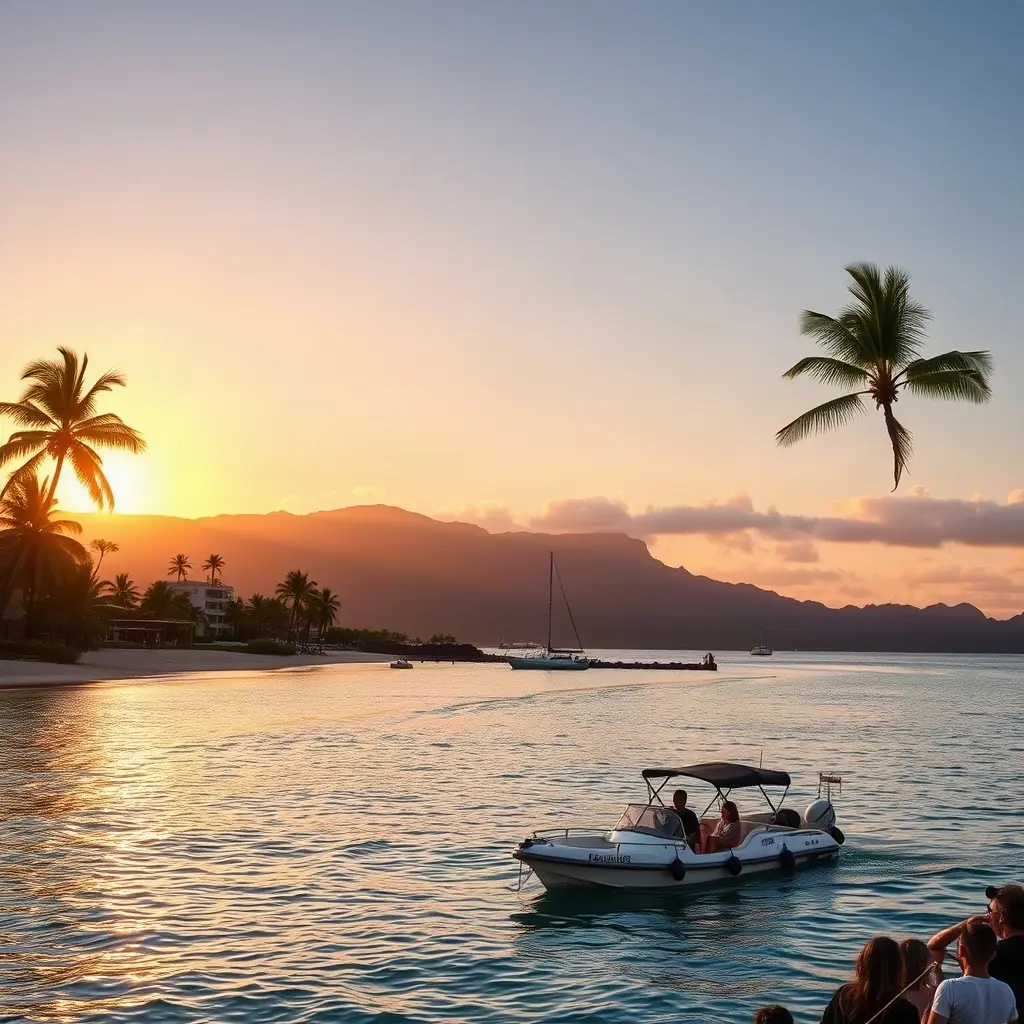
Hawaii is an archipelago, and each major visitor island has a distinct character. Oahu combines beaches, urban attractions, historic sites, and a wide selection of tours. Maui is known for resort areas, coastal drives, volcanic landscapes, and water-based activities. The island of Hawaii, often called the Big Island, has active geological landscapes, coffee-growing districts, waterfalls, and substantial distances between regions. Kauai generally has a quieter atmosphere, with dramatic valleys, rainforests, and coastal scenery.
For five nights, staying on one island is usually more practical than dividing the trip between two. Inter-island flights add airport time, ground transportation, and the need to adjust between accommodations. A single-island plan allows more time for local tours and makes it easier to respond to weather changes, traffic, or tour schedules. The right choice depends on whether the priority is urban sightseeing, resort beaches, outdoor scenery, cultural activities, or a mixture of these.
How five nights can be organized
A five-night itinerary often includes one arrival day, three full activity days, and a departure period. The arrival day may be useful for settling into the resort area, walking along the coast, and learning the layout of nearby restaurants and transportation points. The first full day can remain relatively light because travel fatigue and time-zone changes affect many visitors.
The middle of the stay is usually the most suitable time for longer tours. A common pattern combines one land-based excursion, one water or nature activity, and one flexible day for local exploration. The final full day can be reserved for a shorter tour or resort-based activities, reducing the risk that a long excursion conflicts with departure arrangements.
- Arrival day: resort orientation and nearby coastal areas
- First full day: a guided cultural, historical, or scenic tour
- Second full day: snorkeling, kayaking, sailing, or another water activity
- Third full day: a flexible day for beaches, markets, parks, or rest
- Departure day: local breakfast and transportation to the airport
Local activity tours commonly available
Local tours vary by island and by weather, but several categories appear throughout Hawaii. Guided island drives may include lookout points, botanical areas, beaches, small towns, and historical landmarks. Cultural programs can focus on traditional food, music, crafts, language, land stewardship, or the history of Native Hawaiian communities. These experiences differ in depth, so descriptions should be read carefully rather than assuming that every sightseeing trip provides the same cultural context.
Water activities are another major part of resort-area tourism. Snorkeling trips may use boats or depart from accessible beaches, while kayaking is often offered along calm coastlines or protected bays. Whale-watching excursions are seasonal and depend on marine conditions. Hiking tours range from short walks on maintained paths to strenuous routes with uneven surfaces, heat, elevation changes, or limited shade.
Examples of tour formats
- Small-group van tours with commentary and several scenic stops
- Boat excursions for snorkeling, coastal views, or seasonal wildlife observation
- Walking tours focused on history, food traditions, or local neighborhoods
- Guided hikes through valleys, forests, or volcanic terrain
- Self-guided visits to beaches, museums, gardens, and public parks
Resort locations and what they change
Resort areas are often designed around beaches, pools, restaurants, and visitor services, but their locations can shape the entire trip. A resort near a major town may provide easier access to dining, museums, nightlife, public transportation, and tour departure points. A resort in a more isolated coastal district may offer a quieter setting while requiring longer drives for groceries, cultural attractions, or inland excursions.
On some islands, resorts are spread along large coastlines rather than concentrated in one town. This can make a rental vehicle useful, especially for tours that begin early or visit remote areas. In other areas, shuttles, taxis, tour transportation, and local buses may cover common routes. Road conditions also vary. Narrow mountain roads, construction, traffic around popular beaches, and limited parking can make a short distance take much longer than expected.
Transportation between resorts and activities
Transportation is one of the main practical differences between Hawaiian islands. Oahu has the most extensive public bus network, while other islands generally rely more heavily on rental vehicles, taxis, rideshare services, and tour operators. Some excursions include transportation from selected resort districts, but pickup boundaries and departure times vary. A tour that appears close on a map may still require an early transfer if the starting point is across the island.
Driving also requires attention to terrain and timing. Coastal highways can become congested, and roads leading to mountainous or rural areas may be winding. Travelers should allow more time than a basic map estimate suggests and should avoid planning a demanding tour immediately after a long flight. Parking rules, access restrictions, and weather-related road closures can also affect independent outings.
Weather, seasons, and tour conditions
Hawaii has a tropical climate, but conditions differ by island, elevation, and coast. Windward areas tend to receive more rain, while leeward resort districts are often drier. A passing shower does not necessarily cancel a day of sightseeing, but strong wind, high surf, heavy rain, or poor visibility can change boat, hiking, and scenic flight operations.
Ocean conditions are especially important for snorkeling, swimming, and kayaking. A beach that is calm on one day may have stronger waves on another. Seasonal wildlife tours also operate within particular parts of the year, and sightings cannot be assured. Flexible planning helps by leaving at least one day for a substitute activity if an ocean excursion or mountain route is altered by conditions.
Cultural and environmental considerations
Local activity tours can provide context that is difficult to gain from a resort area alone. Hawaii has a living Native Hawaiian culture, and visitors may encounter place names, ceremonies, stories, and land practices that carry deep significance. Respectful tours distinguish between cultural education and entertainment, explain appropriate behavior, and avoid treating sacred sites as ordinary photo locations.
Environmental pressure is also a concern in popular coastal and volcanic areas. Coral reefs can be damaged by standing on coral, touching wildlife, or using substances that are harmful to marine ecosystems. Trails may cross fragile vegetation or culturally sensitive land. Common responsible practices include staying on marked paths, following posted access rules, keeping distance from animals, and carrying personal waste until a suitable disposal point is available.
What to consider before combining resort time and tours
A five-night stay can feel crowded when every day contains a long excursion. Activity duration, transportation time, physical effort, and weather exposure all affect how much resort time remains. A tour lasting several hours may involve an early departure and a late return, particularly when it includes multiple districts or a remote trailhead.
It is also important to understand what an activity requires. Ocean tours may involve swimming ability, motion tolerance, or changing facilities. Hiking may require sturdy footwear, water, sun protection, and comfort with uneven ground. Cultural visits may have clothing or photography expectations. Tour availability and pickup areas can change by season, so these details genuinely depend on the island, operator, and current conditions.
Creating a balanced five-night Hawaii experience
The most workable plans usually combine a convenient resort location with activities that match the island's geography. A visitor staying near Waikiki may focus on urban history, nearby beaches, and Oahu's central or northern attractions. A Maui itinerary may combine a resort coast with a scenic drive, a marine activity, and a visit to an inland community. On the Big Island, selecting activities near the chosen resort district can reduce lengthy road days, while Kauai plans often emphasize short hikes, viewpoints, and coastal exploration.
The central consideration is not the number of tours but the relationship between them. One or two substantial excursions, a shorter local activity, and unstructured time can provide a clearer sense of place than a schedule filled with transfers. Five nights offer a compact introduction to Hawaii, and careful attention to geography, weather, cultural respect, and physical demands helps make the itinerary realistic.