
3 Reasons You Still Have Eye Bags After 40: Uncover the Causes of Eye Bags Over 40
Facts:
- Under-eye bags are common for adults over 40.
- Searches for solutions for stubborn eye bags trend high for individuals seeking aesthetic improvements.
Unpacking the Persistent Causes of Eye Bags Over 40
As we navigate life past the age of 40, many individuals find themselves increasingly frustrated by the persistent presence of under-eye bags. This isn't merely a cosmetic concern; understanding the underlying causes of eye bags over 40 is crucial for effective management. While youth might offer a degree of resilience, the aging process introduces a complex interplay of physiological changes that explain why under-eye puffiness persists, often defying conventional remedies and requiring a deeper look into our daily habits and biological shifts.
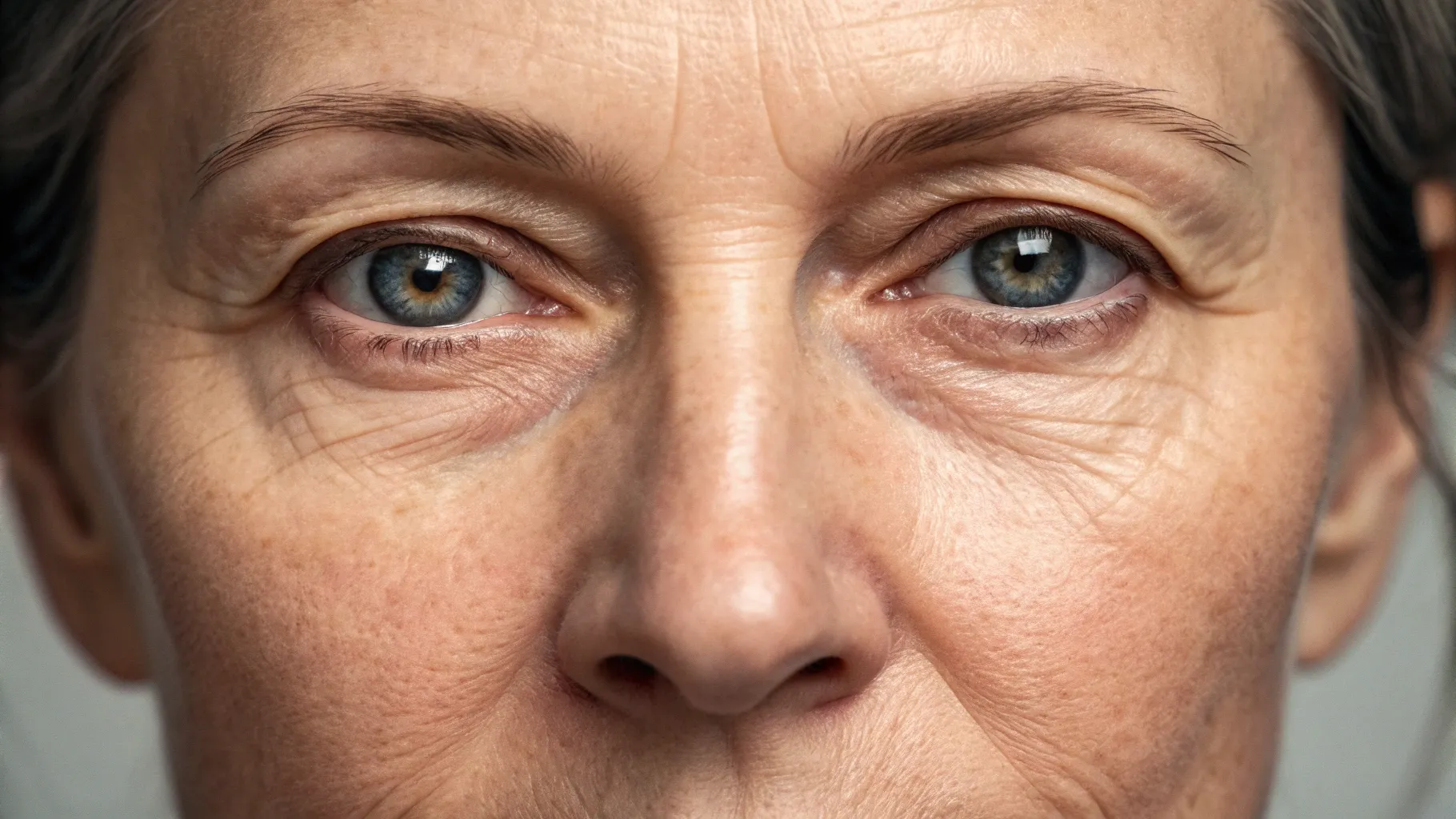
The Top 3 Reasons Why Under-Eye Puffiness Persists After 40
1. Age-Related Structural Changes and Aging and Eye Bags
One of the primary causes of eye bags over 40 is the natural process of aging. Over time, the delicate skin around our eyes loses collagen and elastin, its elasticity diminishes, and it becomes thinner. Simultaneously, the fat pads that naturally cushion the eyes can begin to sag or even herniate through weakened septa, creating the visible bulge commonly known as an eye bag. This structural rearrangement is a fundamental aspect of aging and eye bags, leading to a permanent shadow and puffiness that intensifies as we get older, explaining why under-eye puffiness persists despite a good night's sleep.
2. Lifestyle Factors for Eye Bags and Daily Habits
Beyond natural aging, our daily choices significantly contribute to why under-eye puffiness persists. Chronic sleep deprivation, for instance, impairs the body's ability to repair itself and can lead to fluid retention and dilated blood vessels, making eye bags more prominent. High-sodium diets contribute to water retention throughout the body, including under the eyes, which is a key aspect of lifestyle factors for eye bags. Dehydration, excessive alcohol consumption, and smoking also weaken capillaries and thin the skin, exacerbating the appearance of eye bags. These cumulative lifestyle factors for eye bags mean that even without significant genetic predisposition, eye bags can become a stubborn fixture.
3. Hormonal Shifts and Genetic Predisposition: Unseen Causes of Eye Bags Over 40
Hormonal changes, particularly those experienced by women during perimenopause and menopause, can profoundly impact skin health and fluid balance, making them critical causes of eye bags over 40. Decreased estrogen levels can lead to drier, thinner skin and reduced collagen production, accelerating the effects of aging and eye bags. Moreover, genetics play a substantial role; if your parents had prominent under-eye bags, you are statistically more likely to develop them, regardless of your lifestyle. Understanding these underlying predispositions, including hormonal effects on under-eye puffiness, is essential to addressing why under-eye puffiness persists for some individuals more than others.
Deeper Dive: Understanding Hormonal Effects on Under-Eye Puffiness
The impact of hormones on our skin health, especially around the delicate eye area, cannot be overstated. As women enter their 40s and beyond, fluctuating and declining estrogen levels can lead to a cascade of changes that contribute to why under-eye puffiness persists. Estrogen is vital for maintaining skin hydration, elasticity, and collagen synthesis. A decrease means skin becomes thinner, less resilient, and more prone to fluid retention and gravitational pull. Thyroid imbalances can also contribute to swelling, adding another layer to the complex causes of eye bags over 40. Recognizing these profound hormonal effects on under-eye puffiness is a crucial step in devising effective strategies.
Strategies to Prevent Eye Bags Naturally
While some causes of eye bags over 40 are unavoidable, several natural approaches can significantly help to prevent eye bags naturally and reduce their appearance. These methods focus on supporting overall health and minimizing external stressors on the delicate under-eye area.
Optimize Sleep Hygiene: Aim for 7-9 hours of quality sleep nightly. Elevating your head slightly with an extra pillow can help prevent fluid accumulation under the eyes. Consistent, restorative sleep is key to diminishing under-eye puffiness.
Hydrate Adequately: Drinking sufficient water throughout the day is fundamental. Dehydration signals the body to retain water, which can manifest as puffiness. Proper hydration supports skin elasticity and overall fluid balance, a critical step to prevent eye bags naturally.
Manage Dietary Sodium: Reduce intake of processed foods and excessive salt, which are major lifestyle factors for eye bags. A balanced diet rich in fruits, vegetables, and lean proteins can help mitigate fluid retention and inflammation, making eye bags less noticeable.
Address Allergies: Undiagnosed or poorly managed allergies can cause inflammation and fluid buildup around the eyes. Identifying and treating allergens can reduce chronic puffiness and is an often overlooked method to prevent eye bags naturally.
Advanced Solutions for Stubborn Eye Bags
For individuals whose under-eye puffiness persists despite natural efforts, there are more targeted solutions for stubborn eye bags available. These range from topical treatments to medical interventions, each offering varying degrees of effectiveness depending on the underlying causes of eye bags over 40. Topical creams containing ingredients like retinol, caffeine, and vitamin C can improve skin texture and circulation, offering mild to moderate improvements. Dermal fillers can be strategically injected to smooth the transition between the under-eye area and the cheek, camouflaging the appearance of bags. For more pronounced cases, cosmetic procedures such as blepharoplasty (eyelid surgery) can surgically remove excess fat and skin, providing the most dramatic and long-lasting solutions for stubborn eye bags. Consulting with a dermatologist or plastic surgeon can help determine the most appropriate course of action based on individual needs and the specific nature of their aging and eye bags.
Frequently Asked Questions
Can stress be a major cause of eye bags over 40?
While stress itself doesn't directly create physical eye bags, it exacerbates many underlying factors that contribute to them. Chronic stress can lead to poor sleep quality, dehydration, and increased inflammation, all of which contribute to under-eye puffiness and make existing eye bags appear more prominent. Managing stress through mindfulness, exercise, and adequate rest is an important step in strategies to prevent eye bags naturally.
Are there quick solutions for stubborn eye bags before an event?
For temporary relief of stubborn eye bags, certain quick fixes can help. Applying cold compresses or chilled tea bags (especially green tea, due to caffeine and antioxidants) can reduce swelling. Topical creams containing caffeine or hyaluronic acid can also offer a temporary tightening effect. However, these are not long-term solutions for stubborn eye bags and do not address the root causes of eye bags over 40.
How do genetics influence why under-eye puffiness persists?
Genetics play a significant role in determining skin structure, fat distribution, and bone structure around the eyes. If your parents or close relatives have prominent eye bags, you are more likely to develop them, especially as you age. This genetic predisposition means that even with diligent lifestyle management, aging and eye bags might still manifest, making it more challenging to completely eliminate them. Understanding this can help manage expectations when seeking solutions for stubborn eye bags.
References
- A comprehensive review on periorbital aging.
- Journal of Cosmetic Dermatology, 2023.
- Impact of sleep quality on facial appearance.