
3 Teeth Whitening Solutions People Are Talking About
A bright, white smile is often associated with health and confidence, which explains why teeth whitening has become one of the most popular cosmetic dental procedures. With so many options available, it can be challenging to figure out which approach is best for your goals and lifestyle. Understanding the different methods can help you make an informed decision about brightening your smile.
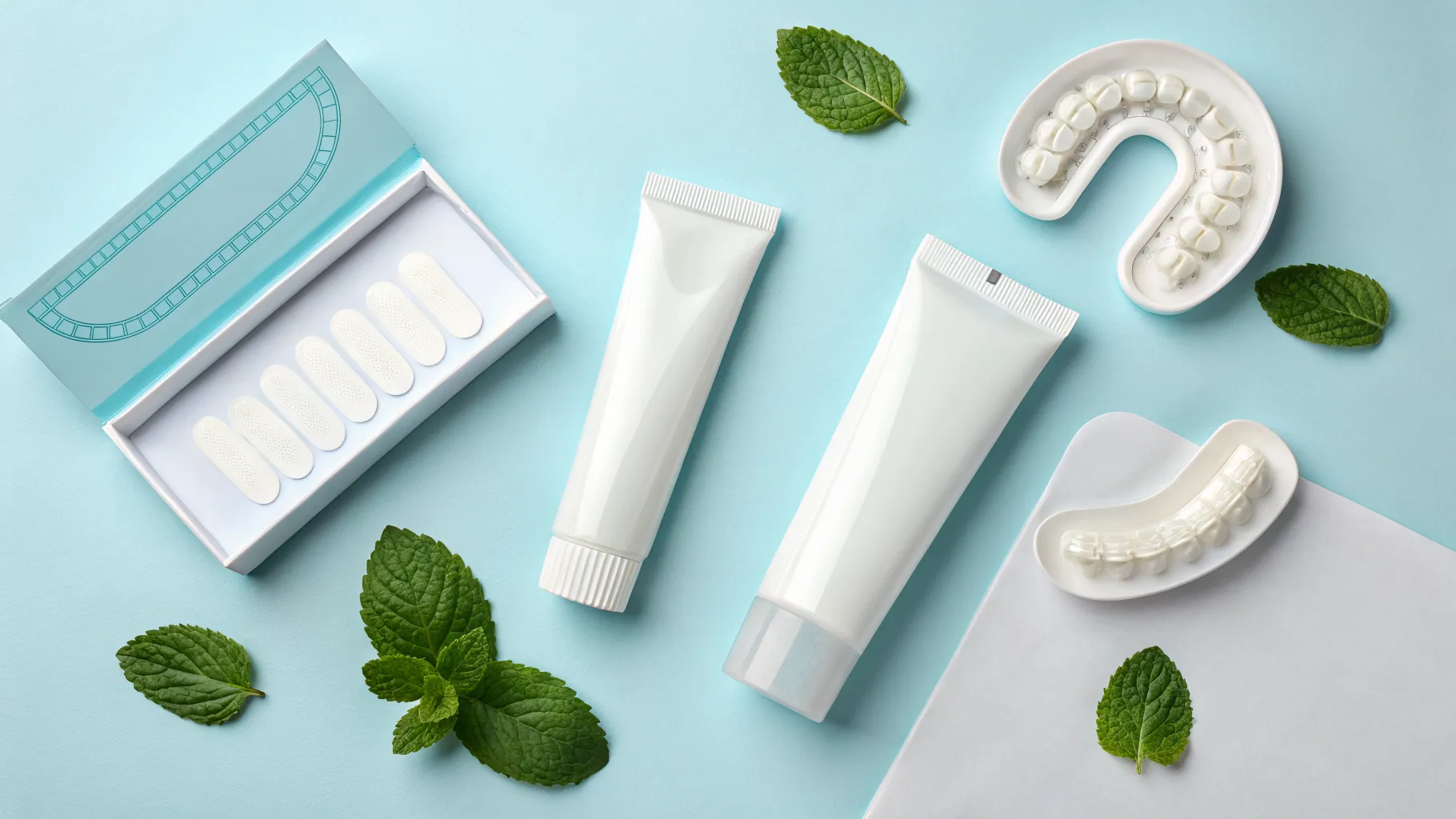
In-Office Professional Whitening
One of the fastest and most effective ways to whiten teeth is through a professional, in-office treatment administered by a dentist. This procedure typically involves the application of a high-concentration hydrogen peroxide or carbamide peroxide gel directly to the teeth. The dentist takes care to protect the gums and soft tissues of the mouth before applying the whitening agent.
In many cases, a special light or laser is used to activate the gel, which helps to accelerate the whitening process. A single session usually lasts between 60 to 90 minutes, and patients can often see a significant improvement in the shade of their teeth immediately after. While highly effective for deep stains, this method is generally the most expensive option and may cause temporary tooth sensitivity for some individuals.
Dentist-Dispensed At-Home Kits
For those who prefer the convenience of whitening at home but still want professional-grade results, a dentist-dispensed kit is a popular middle ground. This option involves a visit to the dentist to have custom-fitted trays made from impressions of your teeth. The custom fit is crucial as it ensures the whitening gel makes even contact with all tooth surfaces and prevents it from leaking onto the gums, which can cause irritation.
The dentist provides a lower-concentration peroxide gel to use with the trays. You'll typically be instructed to wear the trays for a specific amount of time each day, often ranging from 30 minutes to a few hours, over a period of one to two weeks. While the results take longer to appear compared to in-office treatments, this method is known for producing excellent and lasting results at a more moderate cost.
Over-the-Counter (OTC) Whitening Products
The most accessible and affordable whitening solutions are those available over-the-counter at drugstores and supermarkets. These products come in many forms, giving consumers a wide range of choices based on their preferences and budget. They contain a much lower concentration of whitening agents than professional products.
Common OTC options include:
- Whitening Strips: Thin, flexible plastic strips coated with a peroxide-based gel that you apply to your teeth for a set amount of time each day.
- Whitening Toothpastes: These typically contain mild abrasives to polish away surface stains rather than changing the intrinsic color of the teeth. Some may also have low concentrations of chemical whitening agents.
- Whitening Gels and Pens: These allow for direct application of a whitening gel onto the teeth, offering more targeted control.
While convenient and budget-friendly, OTC products generally produce more subtle results and may not be effective on deeper, intrinsic stains.
How Whitening Agents Work
The active ingredients in most teeth whiteners are hydrogen peroxide or carbamide peroxide. These chemicals work by penetrating the porous outer layer of the tooth, known as the enamel, and reaching the discolored molecules inside the dentin. Once there, they trigger a chemical reaction called oxidation.
This oxidation process breaks down the complex molecules that cause staining into smaller, less pigmented components. As these smaller molecules are broken apart, they reflect less light, which makes the teeth appear whiter and brighter. The concentration of the peroxide agent is a key factor in the speed and effectiveness of the whitening process.
Potential Side Effects and Considerations
While teeth whitening is widely considered safe, some people may experience side effects. The most common issue is tooth sensitivity, which occurs when the peroxide penetrates the enamel and irritates the nerve of the tooth. This sensitivity is usually temporary and subsides shortly after the treatment is completed. Using a desensitizing toothpaste can help manage this discomfort.
Another potential side effect is gum irritation. This can happen if the whitening agent comes into contact with the soft tissues of the mouth. This is more common with ill-fitting, one-size-fits-all trays found in some OTC kits. It is important to note that whitening treatments only work on natural teeth and will not change the color of fillings, crowns, or veneers, which could result in an uneven smile.
Maintaining Your Bright Smile
After investing time and resources into whitening your teeth, you will want to maintain the results for as long as possible. The longevity of your whitening results depends heavily on your lifestyle and oral hygiene habits. Certain foods and drinks are notorious for causing stains and should be consumed in moderation.
To keep your smile looking its best, consider the following tips:
- Avoid or limit consumption of staining agents like coffee, tea, red wine, and dark berries.
- Rinse your mouth with water after consuming staining foods or drinks.
- Refrain from smoking or using tobacco products, as they can cause significant yellowing.
- Practice excellent oral hygiene, including brushing twice a day, flossing daily, and visiting your dentist for regular cleanings.