
5 Breakthrough Parkinson's Treatments 2026: A Comprehensive Guide to Parkinson's Disease Management
Facts:
- Parkinson's affects millions globally.
- Novel parkinsons treatments 2026 show promise for enhanced patient outcomes.
Revolutionizing Parkinson's Care: Unveiling 2026's Top Therapies
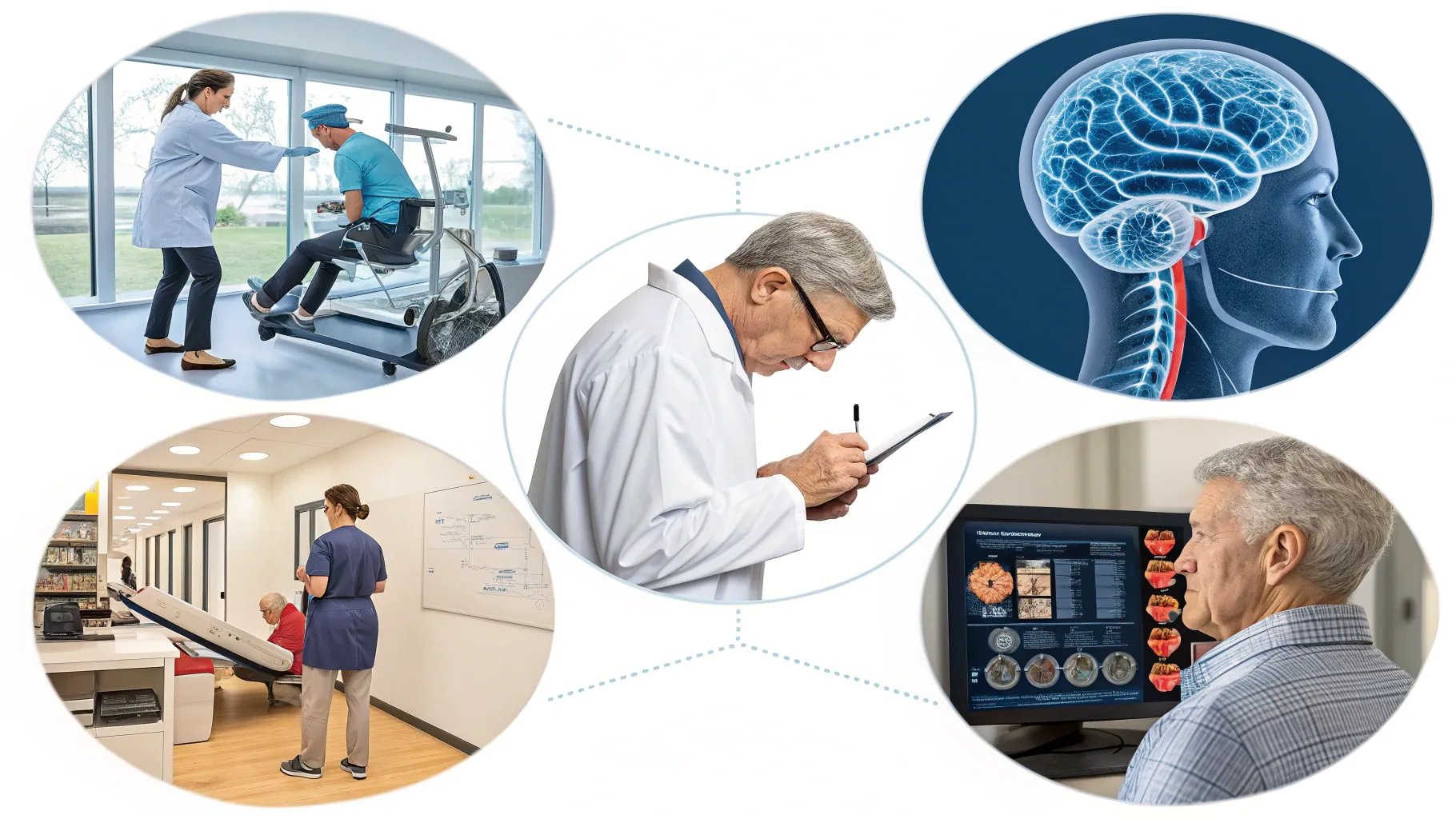
As we navigate into 2026, the landscape of Parkinson's disease treatment is evolving rapidly, offering new hope and improved quality of life for those living with the condition. The focus has shifted towards personalized approaches, integrating latest parkinsons treatments that address both motor and non-motor symptoms. Understanding how to manage parkinsons effectively now involves a multi-faceted strategy, combining advanced pharmaceuticals with innovative therapeutic techniques, positioning 2026 as a pivotal year for parkinsons disease management.
1. Advanced Levodopa Therapies
Levodopa remains the cornerstone of parkinsons medication options, but its delivery systems continue to advance. In 2026, we see the wider adoption of extended-release formulations and pump-delivered levodopa, offering more consistent symptom control and reducing "off" times. These latest parkinsons treatments aim to stabilize dopamine levels in the brain, mitigating the motor fluctuations that often challenge patients. This approach represents a significant step in parkinsons disease management, providing sustained relief and improving daily function. The development of new levodopa combination therapies also contributes to the array of parkinsons treatment options 2026, fine-tuning efficacy and minimizing side effects for individual patients.
2. Focused Ultrasound (FUS) for Tremor
Non-invasive brain interventions like Focused Ultrasound (FUS) are becoming increasingly recognized as top rated parkinsons therapies for intractable tremor. This non-surgical parkinsons treatment utilizes precisely targeted ultrasound waves to ablate a small area in the brain responsible for tremor, offering immediate and significant relief without incisions. For those struggling with severe tremor unresponsive to medication, FUS presents a revolutionary option. It exemplifies the push for latest parkinsons treatments that are both effective and minimally invasive, greatly enhancing how to manage parkinsons for a select group of patients, and expanding the scope of parkinsons care guide recommendations.
3. Gene Therapy and Neuroprotection
The frontier of gene therapy is rapidly advancing, with several promising trials in 2026 focusing on neuroprotective strategies. These experimental parkinsons treatments 2026 aim to slow or even halt the progression of the disease by introducing genes that promote neuron survival or enhance dopamine production. While still largely in clinical research, the potential impact of these latest parkinsons treatments is immense, offering a long-term solution rather than just symptomatic relief. This area of research is central to future parkinsons disease management, pushing the boundaries of what is possible and offering genuine hope for a cure, making them critical parkinsons treatment options 2026 to watch.
4. Personalized Exercise Regimens and Rehabilitation
Beyond pharmacological interventions, parkinsons lifestyle treatments and targeted rehabilitation are proving indispensable. In 2026, personalized exercise programs, including high-intensity interval training, dance, tai chi, and boxing, are being tailored to individual patient needs and symptoms. These programs are designed not only to improve motor symptoms like balance and gait but also to address non-motor issues such as mood and cognition. A comprehensive parkinsons care guide now emphasizes the critical role of these structured physical and occupational therapies in how to manage parkinsons effectively, integrating them as core components of top rated parkinsons therapies and supporting overall well-being.
5. Advanced Deep Brain Stimulation (DBS) with Adaptive Technology
Deep Brain Stimulation (DBS) has been a reliable non-surgical parkinsons treatment for years, but 2026 sees the advent of adaptive DBS systems. These next-generation devices can adjust stimulation settings in real-time based on a patient's brain activity, providing more nuanced and effective symptom control while minimizing side effects and optimizing battery life. This intelligent approach to DBS is among the latest parkinsons treatments, offering a higher degree of personalization and responsiveness. It significantly refines existing parkinsons treatment options 2026, allowing for more precise parkinsons disease management and a better quality of life for those eligible for this advanced therapy.
The convergence of pharmaceutical innovation, targeted non-surgical interventions, genetic research, and holistic parkinsons lifestyle treatments truly defines the evolving landscape of parkinsons care guide principles. As we move forward, the emphasis remains on tailoring these top rated parkinsons therapies to individual patient profiles, ensuring the most effective and personalized parkinsons disease management possible.
Empowering Daily Life: Actionable Advice for Parkinson's Management
Engage in Regular, Tailored Exercise: Work with a physical therapist to design an exercise regimen that addresses your specific motor and non-motor symptoms. Consistent physical activity is a crucial component of parkinsons lifestyle treatments, helping to improve balance, flexibility, and overall functional independence. Aim for a mix of aerobic, strength, and flexibility exercises to truly understand how to manage parkinsons through movement.
Adhere Strictly to Medication Schedules: Precision in medication timing is paramount for consistent symptom control with parkinsons medication options. Use alarms or pill organizers to ensure you take your medications as prescribed. Discuss any side effects or changes in symptom control with your neurologist, as adjustments to your parkinsons treatment options 2026 might be necessary.
Prioritize Nutrition and Hydration: A balanced diet rich in fruits, vegetables, and whole grains, along with adequate hydration, supports overall health and can help manage common non-motor symptoms like constipation. Good nutrition is an often-underestimated aspect of parkinsons disease management, contributing significantly to energy levels and general well-being, complementing other parkinsons treatments 2026.
Seek Emotional and Psychological Support: Parkinson's can impact mental health. Engage with support groups, therapists, or counselors to address anxiety, depression, or stress. Emotional well-being is integral to effective parkinsons care guide recommendations and impacts the overall success of top rated parkinsons therapies.
Stay Informed and Proactive: Keep abreast of the latest parkinsons treatments and research developments. Maintain open communication with your healthcare team, and don't hesitate to ask questions about new non-surgical parkinsons treatments or potential clinical trials that might be relevant to your condition, ensuring you are always at the forefront of parkinsons disease management.
Frequently Asked Questions
What are the latest parkinsons treatments available in 2026?
In 2026, the latest parkinsons treatments include advanced levodopa delivery systems, focused ultrasound for tremor, gene therapy trials for neuroprotection, personalized exercise regimens, and adaptive Deep Brain Stimulation (DBS) systems. These innovations represent significant progress in parkinsons disease management.
How do parkinsons lifestyle treatments contribute to overall care?
Parkinsons lifestyle treatments, such as tailored exercise programs, balanced nutrition, and stress management techniques, play a crucial role in complementing medical therapies. They help improve motor symptoms, enhance cognitive function, boost mood, and contribute significantly to a better quality of life, forming a key part of any comprehensive parkinsons care guide.
Are there new non-surgical parkinsons treatments expected in 2026?
Yes, 2026 continues to see advancements in non-surgical parkinsons treatments. Focused Ultrasound (FUS) is gaining wider acceptance for tremor control, and adaptive Deep Brain Stimulation (DBS) offers more personalized and responsive therapy without invasive brain surgery, marking exciting progress in parkinsons treatment options 2026.
References
- National Institute of Neurological Disorders and Stroke (NINDS)
- Parkinson's Foundation
- The Michael J. Fox Foundation for Parkinson's Research