
5 Effective Treatments for Nasal Polyps: A 2026 Care Guide
Facts:
- Nasal polyps affect up to 4% of the population.
- Trends show increased interest in non-surgical nasal polyps treatment for patients seeking nasal polyps relief options.
Exploring Comprehensive Nasal Polyps Management Strategies for 2026
Living with nasal polyps can significantly impact quality of life, leading to chronic congestion, reduced sense of smell, and recurrent sinus infections. Fortunately, the landscape of nasal polyps treatments 2026 offers a diverse range of approaches, from conservative nasal polyps medication options to advanced surgical interventions. Understanding how to treat nasal polyps effectively begins with a clear overview of available solutions designed to provide substantial nasal polyps relief options.
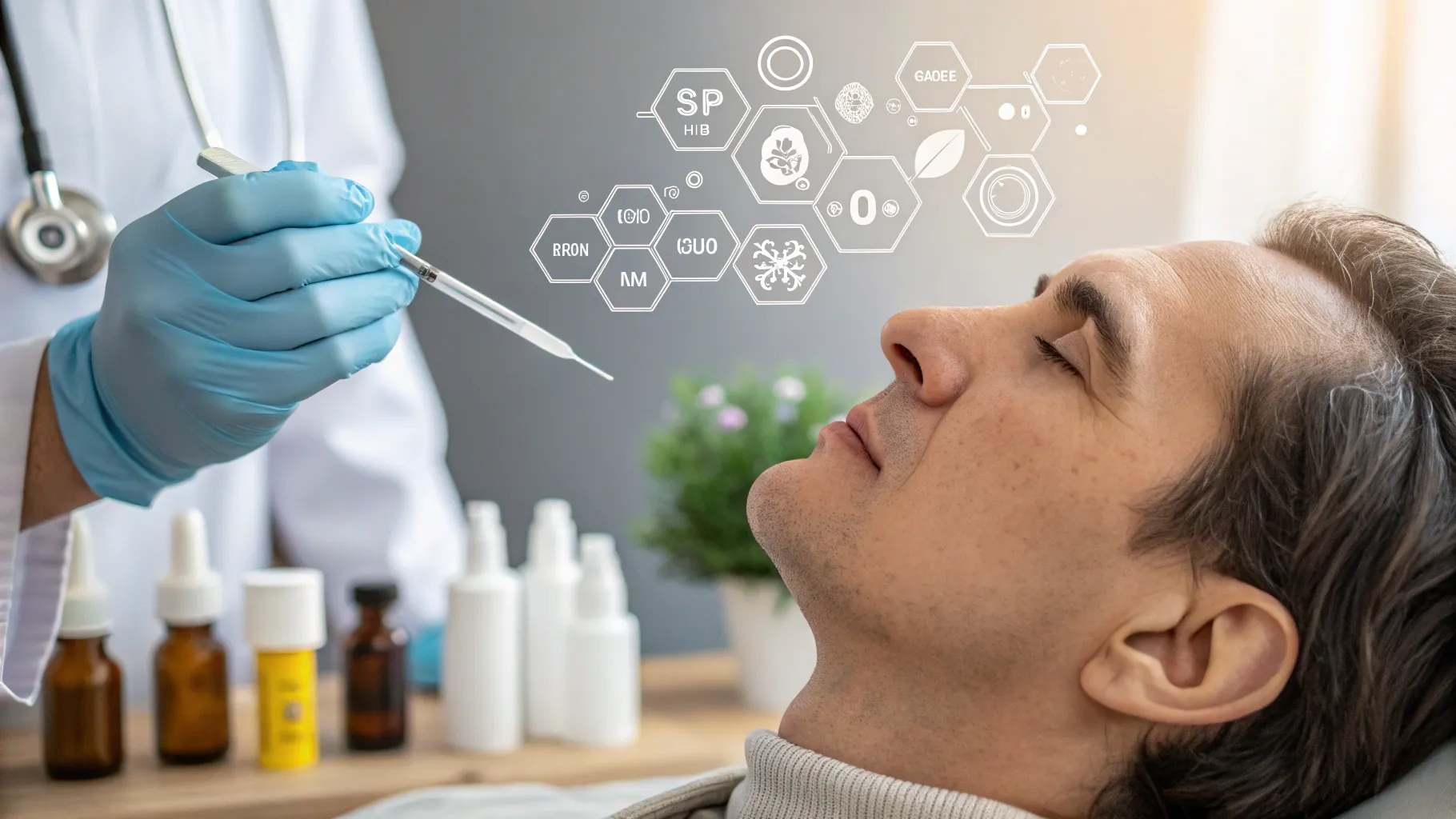
1. Corticosteroid Medications for Nasal Polyps Medication Options
Topical and oral corticosteroids are often the first line of defense in nasal polyps care guide and nasal polyps management strategies. Intranasal corticosteroid sprays directly target the inflammation within the nasal passages, helping to shrink polyps and reduce symptoms. Examples include fluticasone, budesonide, and mometasone. These sprays are crucial for long-term nasal polyps relief options and can often prevent the need for more invasive procedures, making them a cornerstone of non-surgical nasal polyps treatment. Oral corticosteroids, while highly effective at rapidly reducing inflammation and polyp size, are typically prescribed for short courses due to potential systemic side effects. Your doctor will weigh the benefits and risks when considering these powerful nasal polyps medication options.
2. Biologic Therapies: Advanced Nasal Polyps Treatment Approaches
For individuals with severe or recurrent nasal polyps that don't respond well to conventional corticosteroid therapies, biologic medications represent a significant advancement in nasal polyps treatments 2026. These innovative drugs, such as dupilumab, mepolizumab, and omalizumab, target specific inflammatory pathways involved in polyp formation and growth. By modulating the immune response, biologics can dramatically reduce polyp size, improve nasal airflow, restore sense of smell, and decrease the frequency of acute exacerbations. They offer a promising non-surgical nasal polyps treatment for chronic rhinosinusitis with nasal polyps, particularly for those considering nasal polyps surgery alternatives.
3. Endoscopic Sinus Surgery for Persistent Nasal Polyps
When nasal polyps medication options and other conservative approaches fail to provide adequate nasal polyps relief options, endoscopic sinus surgery (ESS) becomes a vital option. This minimally invasive procedure involves inserting a thin, lighted tube with a camera (endoscope) into the nasal passages to visualize and remove the polyps and clear blocked sinus pathways. Modern ESS techniques are highly precise, aiming to restore proper sinus drainage and ventilation while preserving healthy tissue. It's a key component of comprehensive nasal polyps management strategies and is often recommended for large polyps, recurrent polyps, or those causing significant obstruction. Post-operative care often includes continued use of topical corticosteroids to prevent recurrence, ensuring long-term sinus polyp treatment success.
4. Saline Irrigation and Nasal Polyps Home Remedies
While not a primary treatment, daily saline nasal irrigation plays a crucial supportive role in any nasal polyps care guide. Using a neti pot or saline rinse bottle helps to wash away irritants, allergens, and mucus, reducing inflammation and improving the effectiveness of other nasal polyps medication options. It can significantly contribute to everyday nasal polyps relief options. Additionally, certain nasal polyps home remedies, such as steam inhalation and humidifiers, can help to soothe irritated nasal passages and improve breathing, although they do not directly treat the polyps themselves. These adjuncts are often recommended as part of a holistic nasal polyps management strategy to enhance comfort and overall nasal health.
5. Lifestyle Adjustments and Environmental Control for Nasal Polyps Management
Beyond direct medical or surgical interventions, significant nasal polyps relief options can be achieved through strategic lifestyle adjustments and environmental controls. Identifying and avoiding triggers such as allergens (pollen, dust mites, pet dander), irritants (smoke, strong chemicals), and pollutants can dramatically reduce inflammation and prevent polyp growth. For individuals with aspirin-exacerbated respiratory disease (AERD), avoiding NSAIDs is critical. Incorporating a healthy diet rich in anti-inflammatory foods and ensuring adequate hydration also supports overall sinus health. These preventive and supportive measures are integral to an effective nasal polyps care guide and are often discussed as essential nasal polyps management strategies to minimize recurrence and optimize the effects of other sinus polyp treatment approaches. Understanding how to treat nasal polyps extends beyond prescriptions to daily habits.
Comparing Nasal Polyps Treatment Approaches and Nasal Polyps Surgery Alternatives
When considering how to treat nasal polyps, patients often weigh the pros and cons of various approaches. Nasal polyps medication options, particularly topical corticosteroids, offer a non-invasive and often effective starting point, providing significant nasal polyps relief options with minimal risk. Biologic therapies represent a powerful non-surgical nasal polyps treatment for severe cases, offering targeted relief and reducing the need for repeated surgeries, making them excellent nasal polyps surgery alternatives. Endoscopic sinus surgery provides definitive removal of polyps and improved sinus drainage for persistent or extensive disease, though it comes with a recovery period. Lastly, nasal polyps home remedies and lifestyle modifications are crucial supportive measures that complement medical and surgical treatments. The optimal nasal polyps management strategies are highly individualized, often combining several approaches to achieve the best long-term outcomes and sustained sinus polyp treatment.
Practical Advice for Nasal Polyps Care Guide
Consult a Specialist: Always seek advice from an ENT specialist for an accurate diagnosis and a personalized nasal polyps management strategy. They can help you understand the best how to treat nasal polyps options.
Adhere to Medication: If prescribed nasal polyps medication options, use them consistently as directed, even if symptoms improve, to maintain nasal polyps relief options and prevent recurrence.
Regular Nasal Rinsing: Incorporate daily saline nasal irrigation into your routine. This simple step can significantly aid sinus polyp treatment and improve overall nasal hygiene.
Identify and Avoid Triggers: Pay attention to what exacerbates your symptoms. Minimizing exposure to allergens, irritants, and smoke is a vital part of nasal polyps care guide.
Consider All Alternatives: Discuss all nasal polyps surgery alternatives and surgical options with your doctor. Be informed about the latest nasal polyps treatments 2026, including biologic therapies, to make the best decision for your health.
Frequently Asked Questions
Can nasal polyps home remedies cure polyps entirely?
While nasal polyps home remedies like saline irrigation and steam inhalation can offer temporary nasal polyps relief options and improve symptoms, they generally cannot cure polyps entirely. They are best used as supportive measures alongside medical treatments as part of a comprehensive nasal polyps care guide.
Are nasal polyps medication options always effective?
Nasal polyps medication options, especially corticosteroids and biologics, are often very effective, particularly in reducing polyp size and inflammation. However, effectiveness varies per individual, and some may require nasal polyps surgery alternatives or surgery if medication alone is insufficient to provide sustained sinus polyp treatment.
What are the nasal polyps surgery alternatives available?
Nasal polyps surgery alternatives include various nasal polyps medication options like topical and oral corticosteroids, as well as newer biologic therapies. These non-surgical nasal polyps treatment approaches aim to reduce inflammation and polyp size without the need for an invasive procedure, making them a preferred choice for many seeking nasal polyps relief options.
How often do nasal polyps recur after treatment?
Recurrence rates for nasal polyps vary depending on the treatment method and underlying conditions. Even after successful surgery, polyps can recur, which is why ongoing nasal polyps management strategies often involve continued use of nasal sprays and sometimes biologics. Following a dedicated nasal polyps care guide is crucial for long-term prevention.
Is sinus polyp treatment different from nasal polyps treatment?
Sinus polyp treatment and nasal polyps treatment largely refer to the same set of interventions as nasal polyps typically originate in the sinus cavities and extend into the nasal passages. The approaches, including nasal polyps medication options, surgical removal, and non-surgical nasal polyps treatment, are aimed at addressing the polyps and the underlying sinus inflammation.
References
- American Academy of Otolaryngology—Head and Neck Surgery.
- Journal of Allergy and Clinical Immunology.
- Mayo Clinic Research on Chronic Rhinosinusitis.
- European Academy of Allergy and Clinical Immunology Guidelines.
- World Health Organization reports on respiratory health.