
5 Revolutionary Fatty Liver Treatments 2026: Your Guide to Liver Health
Facts:
- Fatty liver affects millions globally.
- New therapies are emerging as top rated fatty liver therapies.
Navigating the Landscape of Fatty Liver Treatments 2026
As we delve into fatty liver treatments 2026, the medical community is witnessing significant advancements in managing and reversing hepatic steatosis. For those grappling with this condition, understanding the latest fatty liver treatments is crucial for improved quality of life. This guide explores five pivotal approaches that define the vanguard of non-alcoholic fatty liver treatment and comprehensive fatty liver care guide strategies.
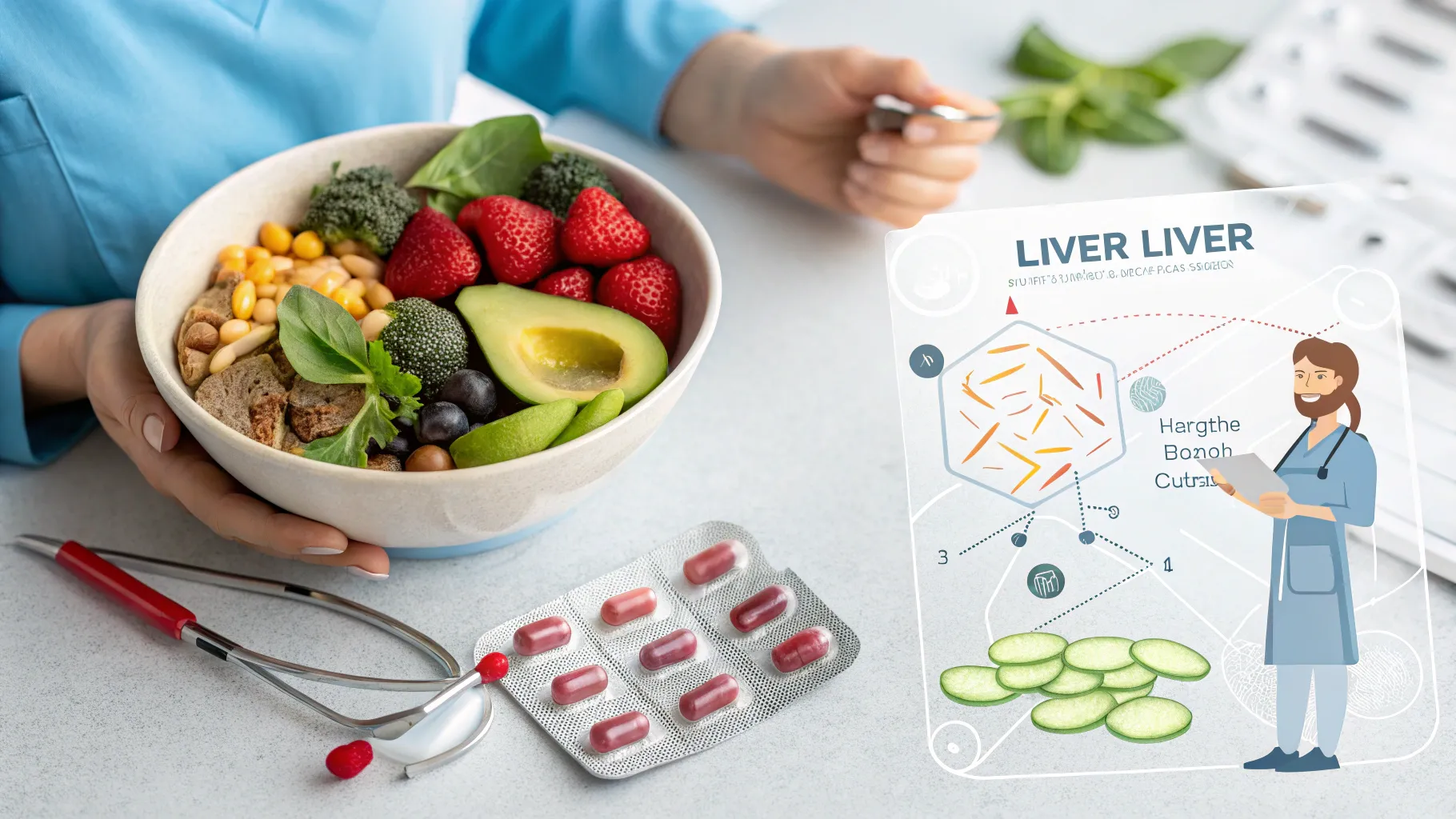
1. Comprehensive Fatty Liver Diet and Lifestyle Modifications
The cornerstone of any effective non-alcoholic fatty liver treatment remains rigorous lifestyle and dietary changes. In 2026, personalized nutritional plans, often incorporating Mediterranean or low-carbohydrate approaches, are being refined to optimize weight loss and insulin sensitivity. Emphasis is placed on whole foods, rich in fiber, and lean proteins, while strictly limiting processed sugars, refined carbohydrates, and unhealthy fats. Regular physical activity, including both aerobic and resistance training, is vital for reducing liver fat, improving metabolic parameters, and enhancing overall liver health tips 2026. Patients are guided through sustainable habits, moving beyond temporary diets to embrace a long-term fatty liver care guide for sustained remission. These integrated programs are proving to be among the top rated fatty liver therapies for initial management and fatty liver prevention.
2. Innovative Fatty Liver Medication Options
The pharmaceutical landscape for fatty liver disease is evolving rapidly, with several promising agents progressing through clinical trials and some gaining wider acceptance as fatty liver medication options. Therapies targeting insulin resistance, inflammation, and fibrosis are at the forefront. GLP-1 receptor agonists and SGLT2 inhibitors, initially approved for type 2 diabetes, are demonstrating significant benefits in reducing liver fat and improving liver enzymes in patients with non-alcoholic steatohepatitis (NASH). Additionally, novel anti-fibrotic drugs and FXR agonists are showing potential in mitigating liver scarring, a critical aspect of how to manage fatty liver. These advanced fatty liver treatments 2026 offer new hope for those who find lifestyle changes insufficient or who have progressed to more severe forms of the disease, solidifying their place among the latest fatty liver treatments available.
3. Bariatric and Metabolic Surgery for Severe Cases
For individuals with severe obesity and advanced fatty liver disease, bariatric and metabolic surgery represent powerful fatty liver treatments 2026. Procedures such as gastric bypass and sleeve gastrectomy lead to substantial and sustained weight loss, dramatically improving insulin sensitivity and reducing liver fat content. This intervention is often considered when other fatty liver care guide strategies, including intensive lifestyle modifications and fatty liver medication options, have been unsuccessful. While invasive, the profound metabolic benefits often lead to the resolution or significant improvement of NASH and fibrosis, positioning it as one of the highly effective top rated fatty liver therapies for select patient populations. Post-surgical follow-up includes continued support for fatty liver diet and lifestyle changes to maintain long-term results and prevent recurrence, aligning with proactive fatty liver prevention efforts.
4. Precision Diagnostics and Monitoring in Fatty Liver Treatments 2026
Beyond direct treatment, advancements in diagnostics are revolutionizing how to manage fatty liver. Non-invasive methods like transient elastography (FibroScan), magnetic resonance elastography (MRE), and specialized blood tests are increasingly used for accurate staging of liver fibrosis and steatosis, reducing the need for invasive liver biopsies. These tools allow for earlier detection, more precise monitoring of disease progression, and better assessment of treatment efficacy. Personalized medicine approaches, driven by these diagnostic insights, ensure that patients receive the most appropriate fatty liver treatments 2026 tailored to their specific disease profile. This focus on precision diagnostics is integral to optimizing patient outcomes and is a key component of comprehensive liver health tips 2026 and fatty liver care guide protocols.
5. Future Horizons: Gene Therapies and Regenerative Approaches
Looking ahead, the frontiers of fatty liver treatments 2026 extend to groundbreaking areas like gene therapy and regenerative medicine. Research is actively exploring therapies that target specific genetic pathways involved in lipid metabolism and inflammation within the liver. Stem cell therapies are also being investigated for their potential to reduce inflammation, promote liver cell regeneration, and reverse fibrosis. While still largely in experimental stages, these innovative approaches hold immense promise for offering curative options for fatty liver disease and NASH. They represent the cutting edge of latest fatty liver treatments and illustrate the depth of ongoing research aimed at profound fatty liver prevention and reversal, eventually joining the ranks of top rated fatty liver therapies.
Comparing the Latest Fatty Liver Treatments for 2026
When evaluating the array of fatty liver treatments 2026, it's crucial to understand their distinct applications and efficacy. Lifestyle modifications, while foundational and essential for fatty liver prevention, demand consistent patient adherence and may not be sufficient for advanced disease. Fatty liver medication options offer targeted pharmacological interventions, often complementing lifestyle changes, especially for those with NASH, and are becoming central to how to manage fatty liver. Bariatric surgery provides significant metabolic benefits for morbidly obese patients but comes with surgical risks and is a more drastic measure. Precision diagnostics, though not a treatment in themselves, are indispensable for guiding treatment choices and monitoring progress, forming a key part of any fatty liver care guide. Finally, emerging gene and regenerative therapies represent future directions, promising highly personalized and potentially curative solutions, but are currently far from widespread clinical use as top rated fatty liver therapies. The optimal non-alcoholic fatty liver treatment plan often involves a multi-modal approach, customized to the individual's disease stage, comorbidities, and lifestyle, embodying the most effective liver health tips 2026.
Practical Liver Health Tips 2026 for Managing Fatty Liver
Embrace a Nutrient-Rich, Balanced Diet:
Focus on whole, unprocessed foods. Prioritize fruits, vegetables, lean proteins, and healthy fats. Limit sugary drinks, processed snacks, and excessive red meat. This is fundamental for fatty liver diet and lifestyle management.
Maintain an Active Lifestyle:
Engage in at least 150 minutes of moderate-intensity aerobic exercise or 75 minutes of vigorous-intensity exercise per week, combined with strength training twice a week. Regular activity is key to how to manage fatty liver by reducing liver fat and improving insulin sensitivity.
Regular Medical Consultations:
Work closely with your healthcare provider to monitor your liver health, discuss new fatty liver medication options, and adjust your fatty liver treatments 2026 plan as needed. Regular check-ups are essential for a proactive fatty liver care guide.
Frequently Asked Questions
What are the primary fatty liver treatments 2026?
The primary treatments include comprehensive lifestyle and dietary changes, emerging pharmacological options, and in severe cases, bariatric surgery. Advanced diagnostics also play a crucial role in guiding these top rated fatty liver therapies.
Can non-alcoholic fatty liver treatment reverse the condition?
Yes, especially in its earlier stages, significant improvements and even reversal of non-alcoholic fatty liver disease (NAFLD) are possible through diligent fatty liver diet and lifestyle modifications and appropriate fatty liver medication options.
Are there specific liver health tips 2026 for prevention?
Key fatty liver prevention strategies include maintaining a healthy weight, regular exercise, a balanced diet low in processed foods and sugars, and avoiding excessive alcohol consumption. These are vital liver health tips 2026.
References
- The American Association for the Study of Liver Diseases (AASLD) Clinical Practice Guidelines.
- National Institute of Diabetes and Digestive and Kidney Diseases (NIDDK) Research.
- Recent studies published in Hepatology and Gastroenterology journals.