
5 Treatments for Migraine: A Guide to Top Rated Therapies
Fast Facts:
- Migraine impacts over 1 billion people worldwide.
- Emerging therapies offer new hope for chronic migraine treatments.
Exploring the Most Effective Migraine Treatments for Lasting Relief
Migraine, a debilitating neurological condition, affects millions globally, severely impacting quality of life. Fortunately, the landscape of migraine care is continually evolving, offering a broader spectrum of interventions for effective pain management and prevention. This guide delves into five comprehensive approaches, from groundbreaking pharmaceutical advancements to holistic techniques, ensuring you're informed about the latest migraine treatments and empowered to find the right path for your specific needs, emphasizing personalized migraine care guide strategies.
Acute Pain Relief Medications
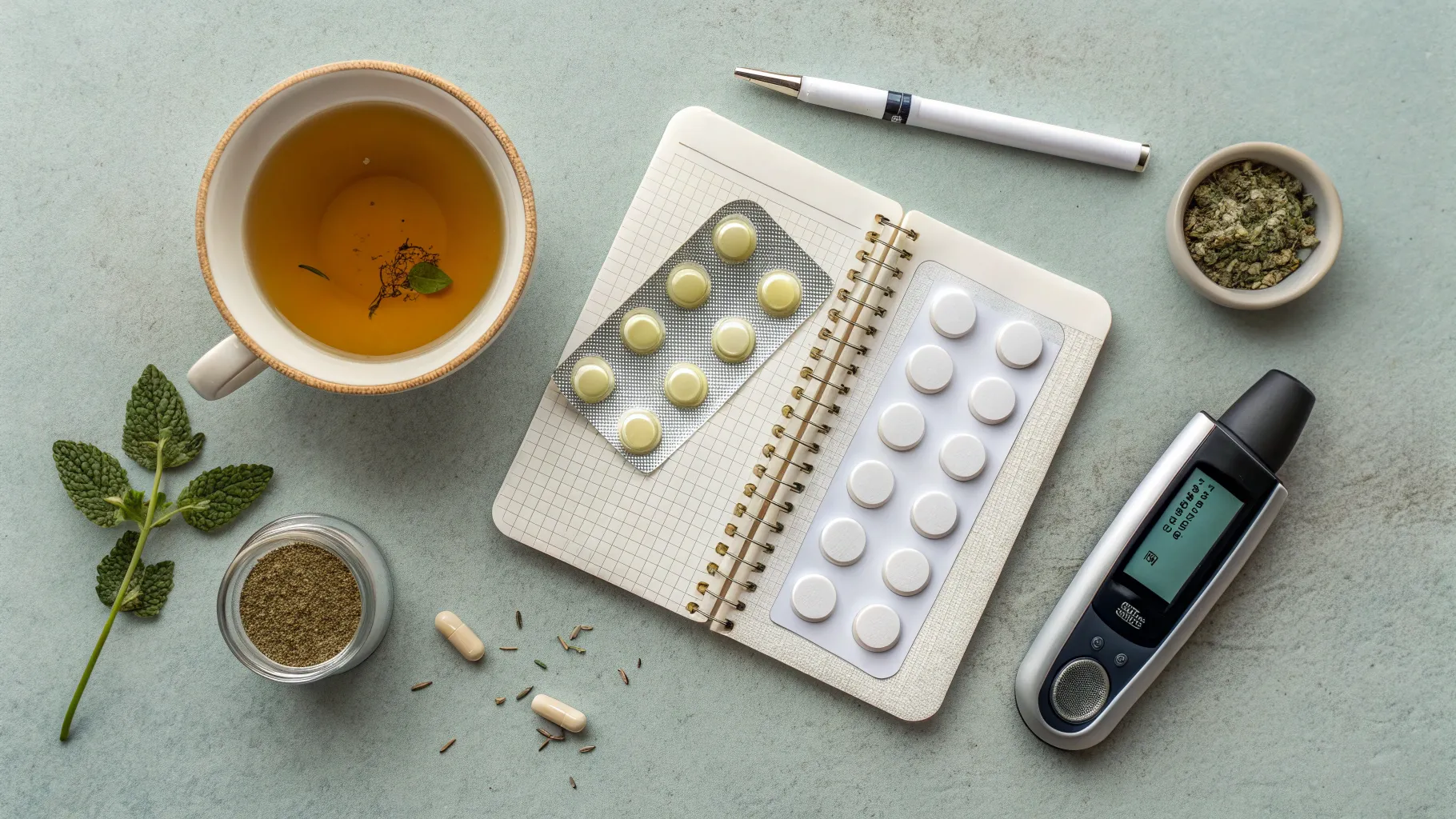
When a migraine attack strikes, rapid relief is paramount. Acute pain relief medications are designed to stop a migraine once it has started. Triptans, such as sumatriptan and zolmitriptan, are commonly prescribed and work by constricting blood vessels and blocking pain pathways in the brain. CGRP receptor antagonists, like ubrogepant and rimegepant, represent some of the most exciting latest migraine treatments, offering targeted relief with fewer side effects for many patients who don't respond to triptans. These newer options are quickly becoming top rated migraine therapies for their efficacy and improved tolerability profiles. Combining these with anti-inflammatories or anti-emetics can enhance their effectiveness. Understanding when and how to take these medications is crucial for maximizing their impact and achieving prompt relief, a key component of effective migraine management tips.
Preventative Medications for Chronic Migraine
For individuals experiencing frequent or severe migraines, preventative medications are a cornerstone of effective chronic migraine treatments. These drugs are taken regularly to reduce the frequency, severity, and duration of attacks. Beta-blockers (e.g., propranolol), antidepressants (e.g., amitriptyline), and anti-seizure drugs (e.g., topiramate) have been used for years. However, the most significant breakthroughs in migraine treatments 2026 are the CGRP monoclonal antibodies (e.g., erenumab, fremanezumab, galcanezumab, eptinezumab). These injectable medications specifically target a protein involved in migraine pain pathways, offering a highly effective and generally well-tolerated option for many, especially those with chronic migraine treatments. Botox injections are another preventative option approved for chronic migraine, working by blocking pain signals. Choosing the right preventative strategy requires close collaboration with a healthcare provider to tailor the approach to individual needs as part of a comprehensive migraine care guide.
Non-Medication Therapies and Devices
Beyond pharmaceuticals, a growing number of non-medication migraine relief options provide significant benefits, either alone or in conjunction with drug therapies. Neuromodulation devices, such as external trigeminal nerve stimulation (eTNS) and vagus nerve stimulation (nVNS) devices, offer portable, drug-free ways to prevent or treat acute attacks by sending electrical impulses to specific nerves. Biofeedback, a technique that teaches individuals to control involuntary bodily functions like muscle tension and heart rate, can be an effective non-medication migraine relief strategy. Additionally, acupuncture, with its long history of pain management, is often explored as a complementary therapy. These approaches emphasize empowering patients with tools for proactive migraine prevention strategies and managing their condition without relying solely on medication, offering valuable insights into top rated migraine therapies that extend beyond pills.
Natural Remedies and Lifestyle Adjustments
Incorporating natural migraine remedies and making specific migraine lifestyle adjustments can dramatically reduce migraine frequency and severity for many individuals. Key lifestyle changes include maintaining a regular sleep schedule, staying well-hydrated, managing stress through techniques like mindfulness or meditation, and engaging in regular, moderate exercise. Dietary triggers, though individual, are often identified and avoided, with common culprits including caffeine, alcohol, and aged cheeses. Supplements like magnesium, riboflavin (Vitamin B2), and coenzyme Q10 have shown promise in some studies for migraine prevention strategies, often considered gentle yet effective natural migraine remedies. While these approaches may not replace medical treatment for all, they are crucial components of a holistic migraine management tips plan and are increasingly recognized as vital elements of a comprehensive migraine care guide.
Holistic and Integrative Approaches
An integrative approach to migraine care combines conventional medical treatments with complementary therapies, focusing on the whole person. This can involve working with a multidisciplinary team, including neurologists, physical therapists, dietitians, and mental health professionals. Cognitive Behavioral Therapy (CBT), for instance, can help individuals reframe their thinking about pain and develop coping mechanisms, significantly improving resilience to chronic pain conditions. Yoga, massage therapy, and essential oils (used cautiously) are also explored as part of a broader strategy for non-medication migraine relief and overall well-being. The emphasis here is on understanding individual triggers, optimizing general health, and fostering a proactive mindset towards migraine prevention strategies, creating a personalized roadmap for managing this complex condition, reflecting the diverse options available among top rated migraine therapies and contributing to a holistic migraine care guide.
Comparing the vast array of available migraine treatments 2026 reveals a shift towards personalized care. While acute medications provide immediate relief, preventative options, particularly the newer CGRP inhibitors, offer long-term solutions for reducing attack frequency, especially for those with chronic migraine treatments. The integration of non-medication migraine relief, such as neuromodulation devices and biofeedback, provides invaluable alternatives or adjuncts for many. Furthermore, adopting natural migraine remedies and crucial migraine lifestyle adjustments forms the bedrock of sustainable management, empowering individuals with a proactive approach to their health. The most effective strategy often involves a combination of these elements, tailored precisely to an individual’s specific migraine profile, symptoms, and responses to therapy, underscoring the importance of a comprehensive migraine care guide built on shared decision-making with healthcare providers.
Optimizing Your Migraine Management Plan
Consult a Specialist: Work closely with a neurologist or migraine specialist to get an accurate diagnosis and develop a personalized treatment plan that incorporates the latest migraine treatments suitable for your condition.
Track Your Migraines: Maintain a detailed migraine diary, noting triggers, symptoms, duration, and the effectiveness of treatments. This data is invaluable for identifying patterns and refining your migraine prevention strategies and migraine management tips.
Explore All Avenues: Don't hesitate to investigate both pharmaceutical options, including new CGRP antagonists, and non-medication migraine relief like devices or complementary therapies. A holistic approach often yields the best results.
Embrace Lifestyle Changes: Integrate consistent sleep, hydration, regular exercise, and stress reduction techniques into your daily routine. These migraine lifestyle adjustments are powerful allies in reducing migraine frequency.
Stay Informed: The field of migraine research is constantly advancing. Keep abreast of new developments, especially regarding migraine treatments 2026 and emerging top rated migraine therapies, through reliable sources and discussions with your healthcare team.
Frequently Asked Questions
Are there new migraine treatments 2026 available that I should know about?
Yes, significant advancements in migraine treatments 2026 include new classes of medications like CGRP receptor antagonists (gepants) and CGRP monoclonal antibodies (mAbs). These targeted therapies offer new hope for both acute and preventative migraine management, especially for those seeking top rated migraine therapies with fewer systemic side effects than older drugs.
Can non-medication migraine relief truly be effective for chronic sufferers?
Absolutely. For many, non-medication migraine relief methods such as biofeedback, neuromodulation devices, acupuncture, and lifestyle modifications are highly effective, especially when integrated into a comprehensive treatment plan. They can reduce the need for medication and improve overall quality of life, forming a key part of migraine prevention strategies.
What are some recommended natural migraine remedies to try?
Commonly recommended natural migraine remedies include magnesium, riboflavin (Vitamin B2), and coenzyme Q10 supplements. Additionally, maintaining a consistent sleep schedule, managing stress through mindfulness or meditation, staying hydrated, and avoiding identified dietary triggers are crucial migraine lifestyle adjustments that can significantly help.
References
- The American Migraine Foundation.
- National Institute of Neurological Disorders and Stroke (NINDS).
- World Health Organization (WHO) fact sheets on headache disorders.