
Effective 5 mm Kidney Stone Treatment: Options and Management
Facts:
- 5 mm kidney stones are often passable with conservative management.
- Global incidence of kidney stones trending upwards, emphasizing better treatment.
Navigating Your Options for a 5 mm Kidney Stone Treatment
Understanding your choices when facing a 5 mm kidney stone treatment is crucial for effective management and relief. While a 5 mm stone is often considered small enough to pass spontaneously, the experience can still be intensely painful and disruptive. This comprehensive guide will explore various strategies on how to treat 5 mm kidney stone, from conservative approaches to more active medical interventions, ensuring you have the knowledge to make informed decisions about your health.
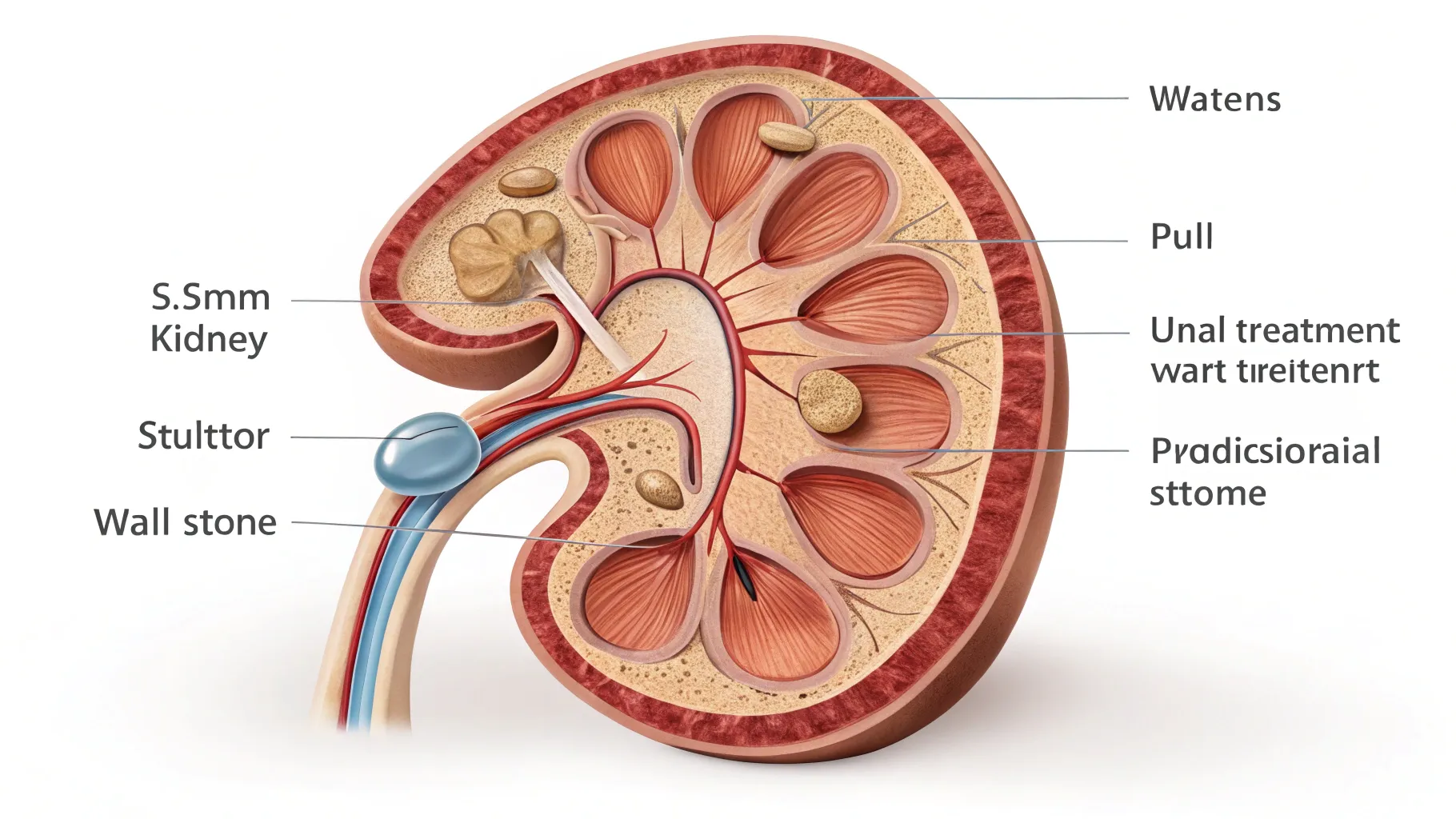
Understanding the Symptoms and Initial Steps for 5 mm Kidney Stones
Before diving into specific treatments, it's vital to recognize the common symptoms associated with passing a 5 mm kidney stone. These can include severe pain in the back or side, often radiating to the lower abdomen or groin, blood in the urine, frequent urination, nausea, and vomiting. Upon experiencing these symptoms, consulting a healthcare professional is the first critical step to diagnose the stone and discuss immediate strategies for kidney stone pain relief and potential interventions. Early diagnosis helps in determining the most appropriate course of action, whether it involves conservative management or more aggressive treatment options for your 5 mm kidney stone treatment journey.
Effective 5 mm Kidney Stone Home Remedies and Lifestyle Adjustments
For those exploring less invasive paths, several 5 mm kidney stone home remedies can be highly effective in facilitating passage and managing symptoms. Increasing fluid intake, particularly water, is paramount as it helps flush the urinary system and promotes stone movement. Lemon juice, a natural source of citrate, can help prevent calcium stones from forming and may even break down existing ones, making it a popular component of kidney stone remedies 5 mm. Apple cider vinegar is another common remedy believed to help dissolve kidney stones and alleviate pain. While these remedies can offer significant support, they should always be discussed with a doctor, especially when dealing with the discomfort of a 5 mm kidney stone treatment.
Hydration: The Cornerstone of Home Treatment
Adequate hydration is not just a recommendation but a necessity when considering how to treat 5 mm kidney stone at home. Aim for at least 2-3 liters of water daily. This continuous flushing action can help dislodge the stone and move it through the ureter, minimizing the duration of pain. Herbal teas like dandelion root or horsetail are also sometimes suggested for their diuretic properties, though their efficacy for 5 mm kidney stone treatment should be confirmed with a medical professional.
Non-Surgical and Medical Treatment for 5 mm Kidney Stone
When home remedies aren't sufficient or the pain is severe, medical interventions become necessary. For a non-surgical 5 mm kidney stone treatment, alpha-blockers like tamsulosin are frequently prescribed. These medications relax the muscles in the ureter, making it easier for the stone to pass and significantly reducing the time spent passing a 5 mm kidney stone. Pain management is also a crucial aspect, often involving over-the-counter pain relievers or stronger prescription medications to provide effective kidney stone pain relief.
Pharmacological Support: A Key to Management
The role of medication in medical treatment for 5 mm kidney stone cannot be overstated. Beyond alpha-blockers, anti-inflammatory drugs can reduce swelling in the ureter, further aiding stone passage. Your doctor will tailor a specific regimen based on the stone's composition and your overall health, focusing on optimal kidney stone management 5 mm to ensure the quickest and least painful resolution possible. Understanding these options is key to a successful 5 mm kidney stone treatment plan.
When to Consider Advanced 5 mm Kidney Stone Treatment Options
While many 5 mm stones pass naturally or with medication, there are situations where more advanced interventions are warranted. If the stone causes unbearable pain, infection, or blocks urine flow leading to kidney damage, then these more aggressive 5 mm kidney stone treatment options become essential. Ureteroscopy, where a thin scope is inserted through the urethra and bladder into the ureter to remove or break up the stone, is a common procedure. Another method is Extracorporeal Shock Wave Lithotripsy (ESWL), which uses shock waves to break the stone into smaller pieces that can be passed more easily. These methods offer definitive solutions when conservative approaches are insufficient for how to treat 5 mm kidney stone effectively.
Comparing ESWL and Ureteroscopy for 5 mm Stones
Choosing between ESWL and ureteroscopy for medical treatment for 5 mm kidney stone depends on several factors, including the stone's location, hardness, and patient preference. ESWL is less invasive but may require multiple sessions and is not suitable for all stone types. Ureteroscopy offers a higher success rate for clearing the stone in a single procedure but is more invasive. Both are proven strategies for kidney stone management 5 mm and contribute significantly to effective 5 mm kidney stone treatment. Discussing the pros and cons of each with your urologist is critical to decide on the best path forward.
Preventing Future Kidney Stones: Long-term 5 mm Kidney Stone Management
Preventing recurrence is a crucial aspect of overall kidney stone management 5 mm. After a 5 mm kidney stone treatment, identifying the stone's composition (e.g., calcium oxalate, uric acid) through analysis is key. This information guides dietary and lifestyle modifications. For instance, reducing sodium and animal protein intake, increasing citrate-rich foods, and maintaining consistent hydration are vital. Regular follow-ups with your doctor will help monitor kidney health and ensure that preventive measures are effective, reducing the likelihood of needing another non-surgical 5 mm kidney stone treatment or more invasive procedures in the future.
Frequently Asked Questions
How long does it take to pass a 5 mm kidney stone?
The time it takes to pass a 5 mm kidney stone varies widely, from a few days to several weeks. Factors like the stone's exact location, the individual's anatomy, and the use of medications like alpha-blockers can all influence the duration of passing a 5 mm kidney stone.
Can a 5 mm kidney stone cause kidney damage?
Yes, while 5 mm stones are often passable, they can potentially cause kidney damage if they block the flow of urine for an extended period, leading to hydronephrosis (swelling of the kidney) or infection. This is why timely medical treatment for 5 mm kidney stone and ongoing monitoring are crucial for kidney stone management 5 mm.
What is the best approach for 5 mm kidney stone pain relief?
Effective kidney stone pain relief often involves a combination of over-the-counter pain relievers (like ibuprofen or naproxen) and, if necessary, prescription pain medications. Applying heat to the affected area can also provide comfort. Always consult a doctor for personalized pain management strategies during 5 mm kidney stone treatment.
References
- American Urological Association Guidelines on Urolithiasis.
- National Institute of Diabetes and Digestive and Kidney Diseases (NIDDK) resources on kidney stones.
- Clinical studies on alpha-blocker efficacy in stone passage.