
Boosting Health with Dietary Spices and Health
Facts:
- Spices offer significant health benefits.
- Interest in dietary spices and health is rising for wellness enthusiasts.
Exploring the Potent Impact of Spices in Cancer Prevention
In the realm of holistic wellness and preventive medicine, the unassuming power of kitchen spices is gaining significant attention. Modern nutrition and cancer research continually uncovers the profound capabilities of certain culinary staples. This article delves into six specific spices, meticulously exploring how they contribute to the fight against cancer, highlighting the vital role of spices in healthy diets and their potent bioactive compounds. Understanding these benefits can empower individuals to make informed dietary choices and harness the protective qualities found in everyday ingredients.
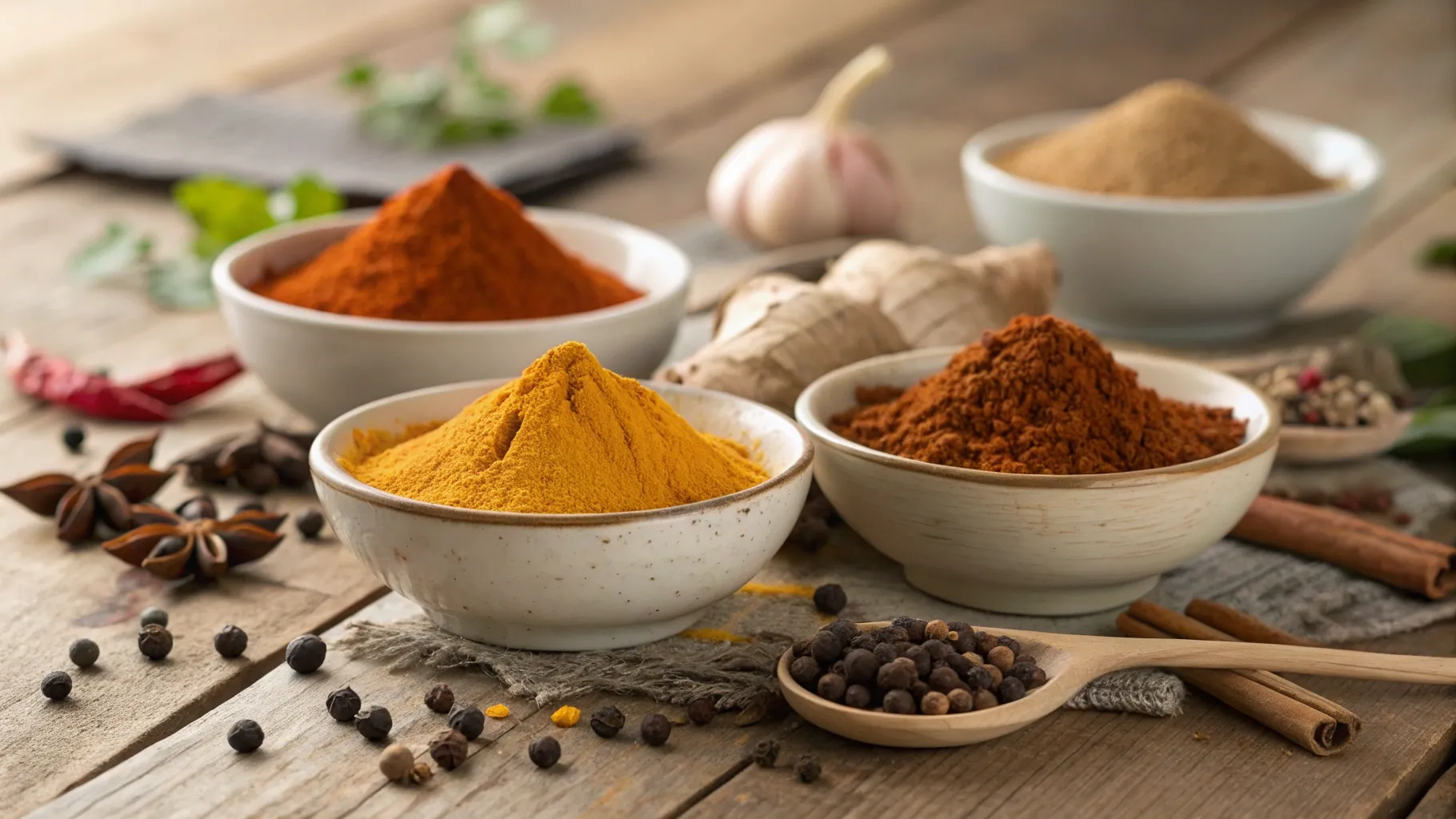
The Six Spices: Nature's Arsenal Against Cancer
1. Turmeric: The Golden Anti-Inflammatory
Turmeric, often hailed as 'the golden spice,' owes much of its acclaimed health benefits to curcumin, a powerful polyphenol. Curcumin is renowned for its exceptional anti-inflammatory and antioxidant properties, which are crucial in combating chronic inflammation—a known precursor to many cancers. Extensive spices studied for cancer prevention indicate curcumin's ability to interfere with multiple molecular pathways involved in cancer development, growth, and spread. This makes turmeric a cornerstone in discussions surrounding nutrition and cancer research, demonstrating its potential in inhibiting tumor initiation, promotion, and metastasis across various cancer types, from colon to breast cancer.
2. Ginger: More Than Just a Digestive Aid
Ginger, with its distinctive pungent flavor, is a powerhouse of bioactive compounds like gingerols and shogaols. These compounds have been rigorously investigated for their significant anti-cancer effects. Research highlights ginger's capacity to induce apoptosis (programmed cell death) in cancer cells, reduce inflammation, and inhibit angiogenesis—the formation of new blood vessels that feed tumors. Particularly effective against gastrointestinal cancers, ginger exemplifies how common culinary ingredients contribute to overall dietary spices and health, offering a natural defense mechanism through regular consumption.
3. Garlic: The Pungent Protector
For centuries, garlic has been valued not only for its culinary versatility but also for its medicinal properties. Its distinct aroma and therapeutic effects stem from sulfur-containing compounds such as allicin, released when garlic is crushed or chopped. These compounds are potent modulators of various cancer-related processes. Garlic has been shown to block the formation of cancer-causing substances, enhance DNA repair, and induce detoxification enzymes that help flush carcinogens from the body. Its rich concentration of antioxidants in spices plays a significant role in protecting cells from damage, making it a critical component of a cancer-preventive diet.
4. Cinnamon: Beyond Sweetness
Cinnamon, a beloved spice for its warm and sweet notes, harbors cinnamaldehyde, its primary active compound. Beyond its flavor, cinnamaldehyde and other compounds in cinnamon have demonstrated promising anti-cancer properties. Studies suggest cinnamon can inhibit tumor growth, induce apoptosis in cancer cells, and reduce inflammation. Its ability to modulate blood sugar levels is also indirectly beneficial, as high blood sugar and insulin resistance are linked to increased cancer risk. Thus, integrating cinnamon into one's diet offers a simple yet effective way to leverage the role of spices in healthy diets for disease prevention.
5. Black Pepper: The Bioavailability Enhancer
Often paired with turmeric for a good reason, black pepper contains piperine, an alkaloid responsible for its pungent flavor. Piperine not only possesses its own direct anti-cancer effects, including inhibiting tumor growth and inducing cell death, but also uniquely enhances the bioavailability of other beneficial compounds, most notably curcumin from turmeric. This synergistic action means that when consumed together, the therapeutic benefits of both spices are amplified. Black pepper therefore serves as a crucial component in maximizing the health impacts of various dietary spices and health initiatives.
6. Chili Peppers (Capsaicin): The Spicy Suppressor
The heat in chili peppers comes from capsaicin, a compound that has garnered considerable scientific interest for its anti-cancer properties. Research indicates that capsaicin can selectively induce apoptosis in cancer cells without harming healthy cells. It also shows potential in inhibiting cancer cell proliferation and metastasis, making it a subject of intensive spices studied for cancer prevention. While the intensity of chili peppers might be a deterrent for some, incorporating them in moderation can be a potent addition to a diet aimed at supporting the body’s natural defenses against cancer, showcasing the diverse applications within nutrition and cancer research.
Synergistic Effects: Maximizing Spice Benefits
While each of these six spices offers distinct anti-cancer properties, their true power often lies in their synergistic effects. When consumed together as part of a varied diet, the compounds in these spices can enhance each other's efficacy, targeting cancer pathways from multiple angles. For instance, black pepper's piperine significantly boosts curcumin absorption from turmeric, amplifying its anti-inflammatory and anti-cancer actions. This holistic approach, integrating diverse antioxidants in spices and bioactive compounds, offers a more robust defense against cellular damage and uncontrolled growth. Embracing the collective role of spices in healthy diets not only enriches flavor profiles but also provides a comprehensive strategy for health maintenance and disease prevention, a concept increasingly supported by advanced nutrition and cancer research.
Incorporating Spices for Optimal Health
- Daily Culinary Integration: Make it a habit to add a pinch of these powerful spices to your everyday meals. Sprinkle turmeric in your morning eggs, add ginger to your stir-fries, or season your salads with garlic powder and black pepper. Simple, consistent integration supports sustained dietary spices and health benefits.
- Spice Blends for Enhanced Flavor and Function: Experiment with creating your own spice blends. A homemade mix of turmeric, ginger, and black pepper can be a versatile base for many dishes, ensuring a consistent intake of various beneficial compounds and maximizing the impact of antioxidants in spices.
- Consider Quality and Sourcing: Always opt for high-quality, organic spices whenever possible. This ensures higher potency of active compounds and minimizes exposure to pesticides or contaminants, which is critical when focusing on spices studied for cancer prevention.
- Consult Healthcare Professionals: Remember that while spices offer remarkable health benefits, they are complementary to, not replacements for, medical treatments. Always discuss significant dietary changes with a healthcare provider, especially if you have existing health conditions or are undergoing treatment, reflecting the cautious approach in advanced nutrition and cancer research.
Frequently Asked Questions
How do antioxidants in spices contribute to cancer prevention?
Antioxidants in spices work by neutralizing harmful free radicals in the body, which are unstable molecules that can damage cells and DNA, leading to cancer. By reducing oxidative stress, these antioxidants help protect cellular integrity and prevent mutations, a fundamental mechanism highlighted in spices studied for cancer prevention.
Can regular consumption of dietary spices and health prevent all types of cancer?
While a diet rich in spices significantly supports cancer prevention and overall health, it is not a guaranteed preventative for all cancer types. Spices are a crucial component of a holistic approach that includes a balanced diet, regular exercise, and healthy lifestyle choices. Their benefits are widely acknowledged in nutrition and cancer research as part of a comprehensive strategy.
What is the recommended daily intake for spices in a healthy diet for cancer prevention?
There isn't a universally prescribed daily intake, as it varies greatly by spice and individual tolerance. The best approach is to incorporate a variety of these spices regularly into your meals, aiming for consistency rather than precise measurements. Listen to your body and enjoy the flavors while reaping the health benefits, aligning with general advice for the role of spices in healthy diets.
References
- World Health Organization reports on traditional medicine and herbal remedies.
- Journal of Ethnopharmacology studies on natural anti-cancer agents.
- American Institute for Cancer Research findings on diet and cancer.
- Nutritional biochemistry research on polyphenol compounds.
- Studies from the National Cancer Institute on dietary interventions.