
A Closer Look at the Hair Restoration Option People Are Exploring
Hair thinning and loss are common concerns that lead many to investigate various treatment avenues. While medications and surgical transplants have been mainstays for decades, a growing number of people are exploring non-surgical alternatives. One such approach that has gained considerable traction is Platelet-Rich Plasma (PRP) therapy, a medical treatment that leverages the body's natural healing mechanisms.
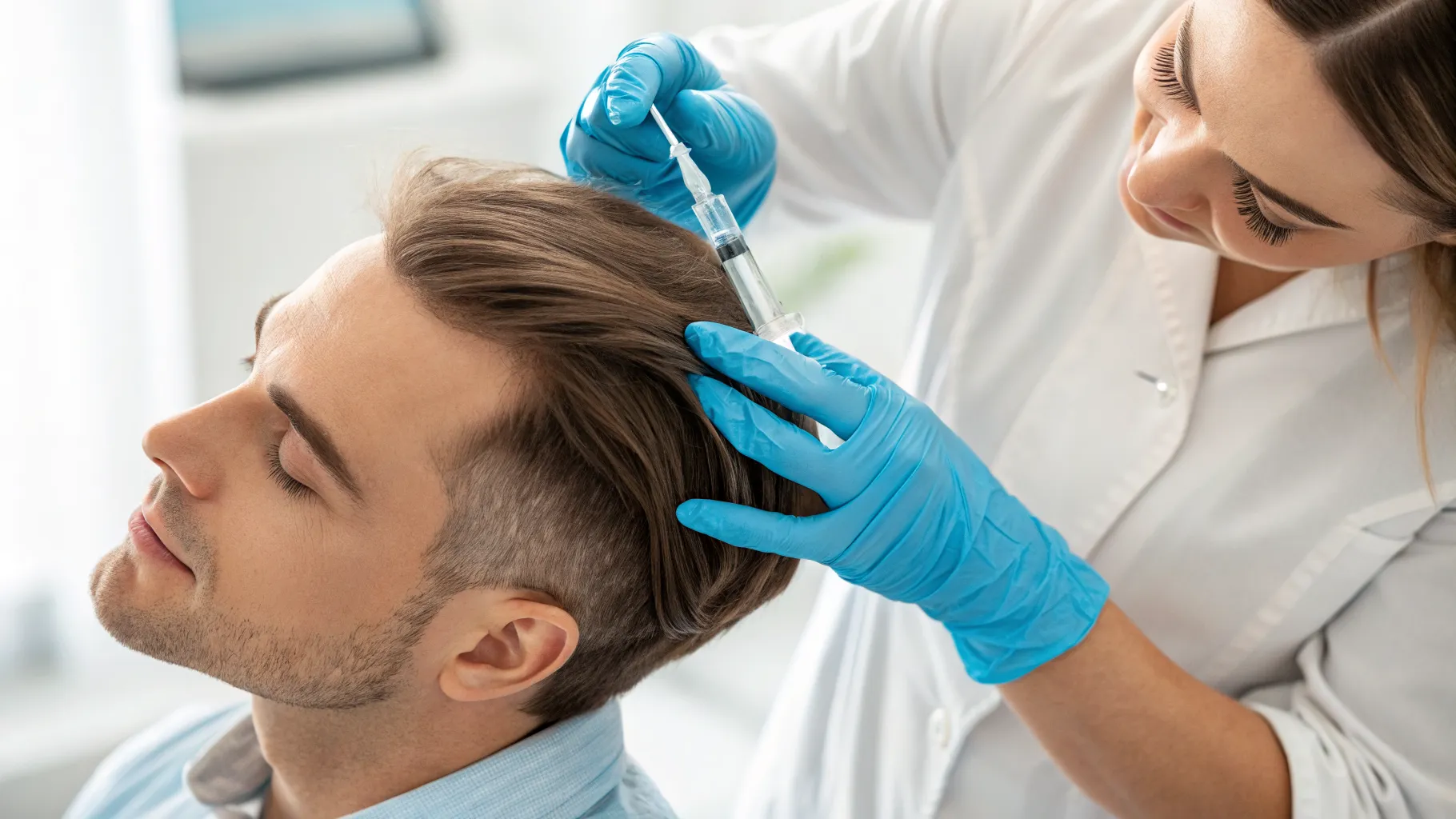
What is Platelet-Rich Plasma (PRP) Therapy?
Platelet-Rich Plasma therapy is a form of regenerative medicine that uses a concentration of a patient's own platelets to accelerate healing and stimulate cell growth. While it has been used for years to treat injuries in joints and tendons, its application in dermatology and hair restoration is relatively more recent. The core idea is to harness the growth factors found within the blood's platelets and deliver them directly to areas that need regeneration, such as hair follicles on the scalp.
To understand the process, it helps to know the basic components of blood. Blood is primarily composed of a liquid called plasma, but it also contains small solid components: red cells, white cells, and platelets. Platelets are best known for their role in clotting blood, but they are also rich in hundreds of proteins called growth factors. These growth factors are crucial for healing injuries and can play a significant role in stimulating the activity of hair follicles and promoting new hair growth.
How the PRP Procedure for Hair Loss Works
The PRP procedure for hair loss is typically a straightforward, three-step process performed in a clinical setting. It involves drawing the patient's blood, processing it to concentrate the platelets, and then injecting the resulting platelet-rich plasma into the scalp. The entire session usually takes about an hour to complete, and most individuals can return to their daily activities immediately afterward.
The specific steps involved are generally consistent across different clinics. A medical professional will:
- First, draw a small amount of blood from the patient's arm, similar to a routine blood test.
- Second, place the blood into a centrifuge. This is a machine that spins at a high speed to separate the blood components. The centrifugation process concentrates the platelets within the plasma.
- Third, carefully extract the platelet-rich plasma and inject it into specific areas of the scalp where hair thinning is occurring.
Who is a Good Candidate for PRP Hair Treatment?
PRP therapy is often recommended for individuals experiencing the early stages of hair loss. It tends to be most effective for those with androgenetic alopecia, which is a common form of genetic hair loss in both men and women. The treatment works by stimulating follicles that are dormant but still viable, so it is less likely to be effective in areas where hair has been completely lost for a long time.
However, not everyone is an ideal candidate for this procedure. Individuals with certain underlying health conditions, such as chronic liver disease, skin diseases on the scalp, or blood disorders, may be advised against it. It is also generally not recommended for those who are on blood-thinning medication. A thorough consultation with a qualified dermatologist or hair restoration specialist is essential to determine if PRP is a suitable and safe option for your specific situation.
What to Expect During and After the Treatment
During the procedure, most patients report minimal discomfort. The blood draw is a familiar experience for many. While the scalp injections can cause some discomfort, a topical anesthetic is often applied beforehand to numb the area and make the process more tolerable. The entire visit is relatively quick, usually lasting from 45 minutes to an hour.
After the treatment, there is virtually no downtime. You can typically resume your normal activities right away. Some common, mild side effects may include soreness, redness, or slight swelling at the injection sites on the scalp. These symptoms are usually temporary and resolve within a day or two. Most practitioners advise against harsh chemical hair treatments for a few days following the procedure.
Understanding the Results and Treatment Schedule
Patience is key when it comes to seeing results from PRP therapy. The treatment aims to stimulate natural hair growth, which is a slow process. It can take several months to notice a visible improvement in hair thickness or a decrease in shedding. The initial results often manifest as finer, softer hairs that gradually become stronger and thicker over time.
PRP is not a one-time fix. A typical treatment protocol involves an initial series of sessions, often spaced about a month apart for the first three to four months. After this initial phase, maintenance treatments are usually required to sustain the results. These maintenance sessions might be scheduled every six to twelve months, depending on the individual's response to the therapy and their specific hair loss condition.
Potential Risks and Considerations
Because PRP therapy uses the patient's own blood, the risk of an allergic reaction or disease transmission is virtually eliminated. It is generally considered a safe procedure when performed by a trained and licensed medical professional in a sterile environment. The most common side effects are minor and temporary, such as pain or bleeding at the injection sites.
That said, as with any procedure involving injections, there are some potential risks, though they are rare. These can include infection, nerve injury, or the formation of scar tissue. It is also important to have realistic expectations. The effectiveness of PRP can vary significantly from person to person, and results are not guaranteed. Discussing the potential outcomes and risks with a healthcare provider is a critical step before deciding to proceed.