
A Comprehensive Guide to Natural Remedies for Acne
Facts:
- Tea tree oil has strong anti-inflammatory properties.
- A growing trend for natural remedies for acne involves dietary changes.
Harnessing Nature's Power for Clearer Skin
Dealing with persistent acne can be a frustrating journey, often leading people down a path of harsh chemical treatments that can strip the skin of its natural moisture. However, there is a growing movement towards embracing natural remedies for acne, which can offer a gentler yet highly effective alternative. These treatments, rooted in traditional wisdom and backed by modern science, focus on healing the skin from within and addressing the root causes of breakouts. By exploring these natural remedies for acne, you can create a skincare routine that not only fights pimples but also nourishes and supports your skin's overall health for a lasting, radiant glow.
Top-Rated Natural Remedies for Acne Explained
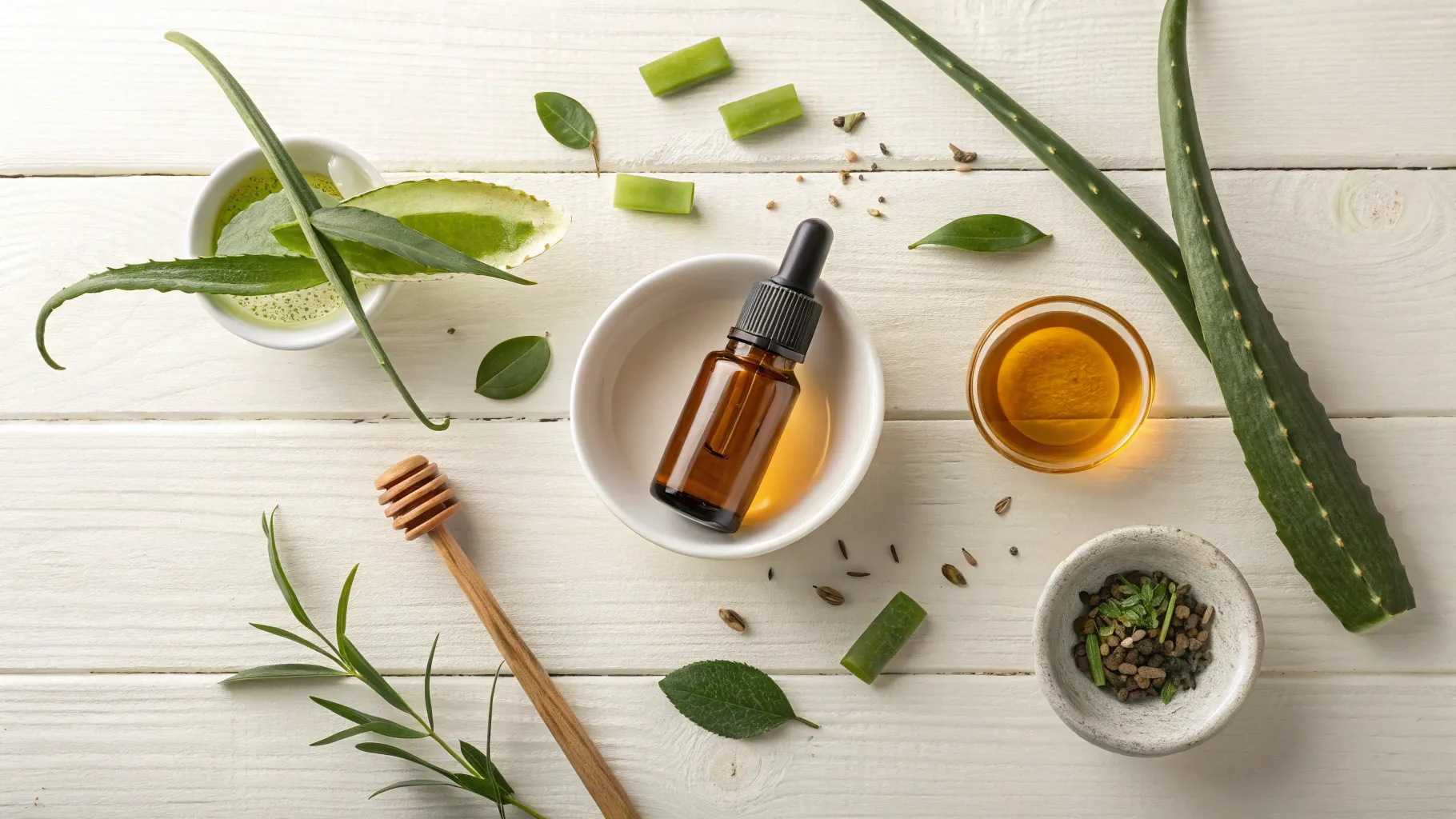
When it comes to fighting acne, not all natural ingredients are created equal. Some have potent antibacterial and anti-inflammatory properties that make them particularly effective. Understanding these top-tier natural remedies for acne is the first step toward building a successful skincare regimen. It's crucial to select ingredients that suit your skin type and to use them correctly to avoid irritation while maximizing benefits. These remedies work by targeting bacteria, reducing inflammation, and helping to balance oil production.
Tea Tree Oil
Tea tree oil is one of the most well-known natural remedies for acne due to its powerful antimicrobial and anti-inflammatory properties. Derived from the leaves of the Melaleuca alternifolia tree, it can effectively reduce the bacteria that cause acne (P. acnes). It's important to dilute tea tree oil with a carrier oil like jojoba or coconut oil before applying it to the skin, as it can be potent. A small, diluted amount applied directly to a pimple can reduce redness and swelling significantly overnight.
Green Tea Extract
Green tea is rich in antioxidants, particularly EGCG (epigallocatechin-3-gallate), which has been shown to reduce sebum production, fight inflammation, and inhibit the growth of P. acnes. Using products containing green tea extract or applying cooled green tea bags directly to affected areas can be beneficial. Many people find success by incorporating it into their routine, making it a staple among natural remedies for acne for those with oily skin.
Aloe Vera
Known for its soothing and healing properties, aloe vera is another excellent choice. It contains salicylic acid and sulfur, which are effective acne fighters. Aloe vera also helps to moisturize the skin without leaving a greasy residue, making it ideal for those with combination or oily skin types. Applying pure aloe vera gel can calm inflamed skin and promote faster healing of acne lesions, solidifying its place as a gentle yet effective component of natural remedies for acne.
Lifestyle Changes to Support Your Acne Treatment
While topical treatments are important, true skin health comes from a holistic approach. The effectiveness of natural remedies for acne can be greatly amplified by supportive lifestyle and dietary changes. What you eat, how you manage stress, and your daily habits all play a significant role in your skin's condition. Focusing on an anti-inflammatory diet rich in fruits, vegetables, and omega-3 fatty acids can help reduce systemic inflammation that contributes to breakouts. Avoiding high-glycemic foods, such as sugar and refined carbohydrates, has also been shown to improve acne symptoms. Integrating these habits is a cornerstone of successfully using natural remedies for acne for long-term results.
Actionable Advice for Applying Natural Remedies
To get the most out of your chosen natural remedies for acne, proper application and consistency are key. It’s not just about what you use, but how you use it. Here are some actionable steps to ensure you are safely and effectively incorporating these treatments into your routine.
- Always Patch Test: Before applying any new ingredient to your face, test it on a small, discreet area of skin (like behind your ear) for 24 hours to check for any adverse reactions or allergies. This is a critical step for all natural remedies for acne.
- Dilute Essential Oils: Potent ingredients like tea tree oil should never be applied directly to the skin. Always dilute them with a non-comedogenic carrier oil, such as jojoba or grapeseed oil, at a ratio of 1-2 drops of essential oil per teaspoon of carrier oil.
- Maintain Consistency: Natural treatments often take longer to show results than chemical alternatives. Be patient and consistent with your routine for at least 4-6 weeks to properly gauge its effectiveness.
- Listen to Your Skin: Pay attention to how your skin responds. If you experience excessive dryness, redness, or irritation, reduce the frequency of use or stop using the product. The goal of using natural remedies for acne is to heal, not harm.
Frequently Asked Questions
Are natural remedies for acne safe for all skin types?
While many natural remedies for acne are gentler than chemical alternatives, not all are suitable for every skin type. For example, those with very sensitive skin might react to essential oils like tea tree oil, even when diluted. It is crucial to perform a patch test before fully incorporating a new remedy into your skincare routine to ensure it doesn't cause irritation or an allergic reaction.
How long does it take for natural remedies for acne to work?
The timeline for seeing results from natural remedies for acne can vary significantly based on the individual's skin, the severity of the acne, and the specific remedies being used. Generally, it may take anywhere from 4 to 8 weeks of consistent use to notice a significant improvement. Patience and consistency are essential for success.
Can I combine different natural remedies for acne?
Yes, you can often combine different natural remedies for acne, but it should be done thoughtfully. For instance, you could use a cleanser with green tea extract, an aloe vera moisturizer, and tea tree oil as a spot treatment. However, avoid overloading your skin with too many new active ingredients at once, as this can lead to irritation. Introduce new elements one at a time.
References
- Journal of Clinical and Aesthetic Dermatology
- International Journal of Dermatology
- American Academy of Dermatology Association
- Archives of Dermatological Research