
A Comprehensive Guide to Preparing Your Home for Cold Nights
🗣️ Fast Facts:
- Seal air leaks to reduce heating costs significantly.
- Clean gutters to prevent damaging ice dams.
Understanding Symptoms & Options
Preparing a home for cold nights goes beyond simply turning up the thermostat. It involves identifying and addressing the 'symptoms' of heat loss—such as drafts, high energy bills, and inconsistent room temperatures. Understanding these issues allows you to choose the right solutions, from simple DIY fixes to professional upgrades, ensuring your home remains a warm, cost-effective sanctuary throughout the winter.
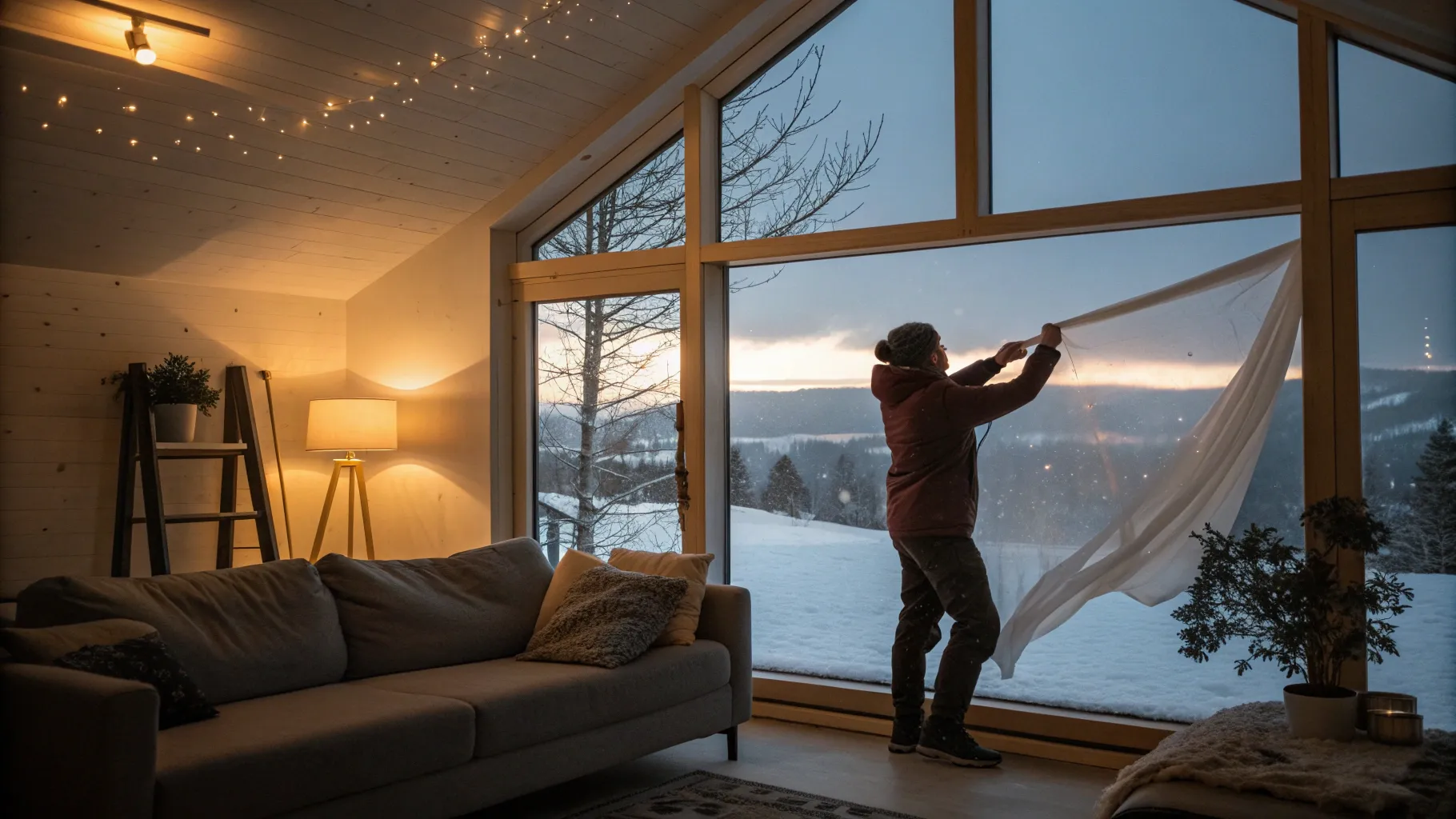
A proactive approach not only enhances comfort but also protects your home's structural integrity from the harshness of winter. By implementing a winterization strategy, you can save money, improve energy efficiency, and enjoy peace of mind during the coldest months.
Key Winterization Strategies
- Seal Air Leaks: Use caulk for stationary gaps around window frames and weatherstripping for moving parts like doors and windows. Check for leaks around pipes, wiring, and foundation seals.
- Boost Insulation: The attic is a primary source of heat loss. Ensure it has adequate insulation (check local R-value recommendations). Don't forget basement headers and crawl spaces.
- Service Your Heating System: Schedule a professional tune-up for your furnace or boiler before the cold sets in. Replace filters monthly for optimal airflow and efficiency.
- Reverse Your Ceiling Fans: Set your ceiling fans to rotate clockwise on a low speed. This pushes warm air that has risen back down into the living space.
- Insulate Windows: Apply plastic window insulation film to create an extra barrier against cold air. For a long-term solution, consider heavy thermal curtains or cellular shades.
- Protect Your Pipes: Insulate exposed pipes in unheated areas like basements, crawl spaces, and garages to prevent them from freezing and bursting.
- Layer Bedding: Switch to warmer bedding materials like flannel sheets, down comforters, and wool blankets for extra warmth without raising the thermostat at night.
Comparison: Standard vs. Advanced Winterizing
Standard Preparations: This level includes accessible, often DIY tasks. Think applying new weatherstripping to doors, caulking window gaps, installing window insulation film, and wrapping exposed water pipes with foam sleeves. These are low-cost, high-impact actions that address the most common sources of heat loss and can be done in a weekend.
Advanced Preparations: This involves more significant investments and often professional help. Examples include conducting a professional energy audit with a blower door test to pinpoint all air leaks, upgrading attic insulation to modern standards, or replacing old, single-pane windows with high-efficiency, double- or triple-pane units. While costlier, these upgrades provide substantial long-term savings and comfort.
Winter Insulation Checklist: Key Areas to Inspect
Use this checklist to identify problem areas before the first frost:
- Windows and Doors: Can you feel a draft or see daylight around the frames?
- Attic Hatch: Is it sealed and insulated properly?
- Electrical Outlets & Switches: Are there drafts coming from outlets on exterior walls?
- Recessed Lighting: Are the fixtures in the ceiling allowing warm air to escape into the attic?
- Basement & Crawl Space: Are the rim joists (where the foundation meets the wood frame) insulated?
- Exterior Vents: Are dryer and bathroom vents properly sealed and functioning?
Frequently Asked Questions
How often should I service my furnace?
It's recommended to have your heating system professionally inspected and serviced once a year, ideally in the fall before you need to rely on it daily. This ensures safety, efficiency, and can prevent costly breakdowns.
What is the most effective DIY way to reduce heating bills?
The most effective DIY task is air sealing. Meticulously finding and sealing air leaks with caulk, weatherstripping, and foam sealant offers a very high return on investment by stopping heat from escaping your home.
Are thermal curtains really effective?
Yes, thermal curtains are highly effective. They have an insulated backing that can reduce heat loss through windows by up to 25%, keeping rooms warmer and lowering energy consumption. Be sure to close them at night and on cloudy days.
References
- U.S. Department of Energy - Energy Saver Guide: Tips on Saving Money and Energy in Your Home.
- ENERGY STAR Program - A Guide to Energy-Efficient Heating and Cooling.