
A Comprehensive Guide to Sleep Apnea Treatment
Sleep apnea is a common disorder where breathing repeatedly stops and starts during sleep. If left untreated, it can lead to serious health complications. Fortunately, a variety of effective treatments are available to manage the condition, improve sleep quality, and restore overall health. Understanding these options is the first step toward finding the right solution for your specific needs.
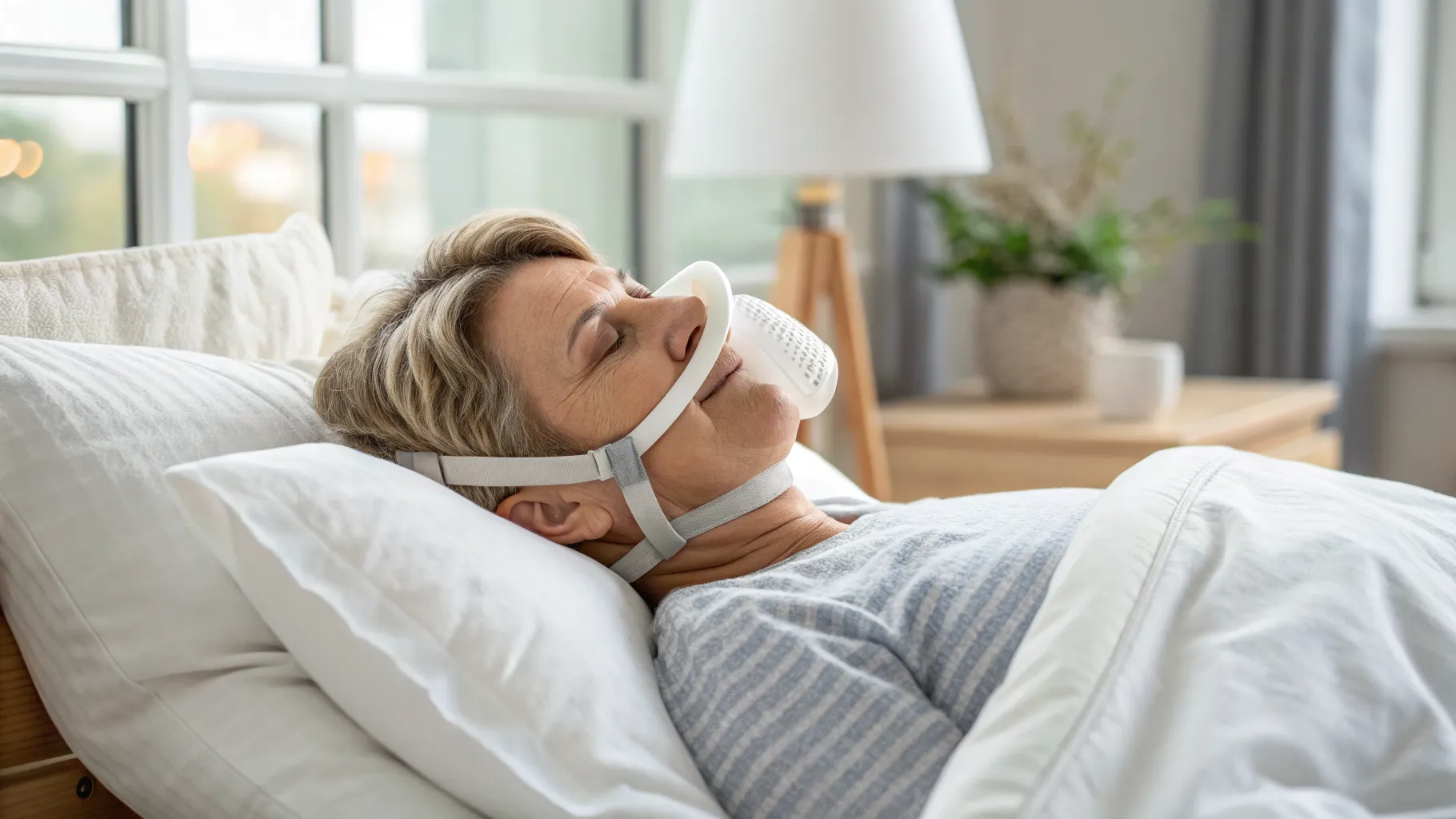
What is Sleep Apnea and Why is Treatment Important?
Sleep apnea falls into two main categories: obstructive sleep apnea (OSA) and central sleep apnea (CSA). OSA is the more common form, caused by the throat muscles relaxing and physically blocking the airway during sleep. CSA occurs when the brain fails to send the proper signals to the muscles that control breathing. Some people may have a combination of both, known as complex sleep apnea syndrome.
Ignoring sleep apnea can have significant consequences for your health. The repeated drops in blood oxygen levels can strain the cardiovascular system, increasing the risk of high blood pressure, heart attack, stroke, and irregular heartbeats. Beyond these risks, untreated sleep apnea often leads to chronic daytime fatigue, difficulty concentrating, and a lower quality of life. Seeking a proper diagnosis and treatment is crucial for mitigating these risks and improving daily function.
Initial Steps: Lifestyle Modifications
For individuals with mild sleep apnea, or as a complementary approach alongside other treatments, certain lifestyle changes can make a substantial difference. These modifications target common contributing factors to the condition and can sometimes be enough to resolve the issue entirely. Many healthcare providers recommend starting with these foundational adjustments before moving on to medical devices or other interventions.
Common lifestyle recommendations include:
- Weight Management: Excess weight is a primary risk factor for obstructive sleep apnea. Losing even a small percentage of body weight can reduce fatty tissue in the back of the throat, potentially opening up the airway.
- Positional Therapy: For some people, sleep apnea is worse when sleeping on their back. Using pillows or specialized devices to encourage sleeping on one's side can help keep the airway open.
- Avoid Alcohol and Sedatives: These substances relax the throat muscles, which can worsen airway obstruction. It is often advised to avoid them, especially in the hours before bedtime.
- Quit Smoking: Smoking can increase inflammation and fluid retention in the upper airway, which can exacerbate sleep apnea symptoms.
The Gold Standard: Positive Airway Pressure (PAP) Therapy
For moderate to severe sleep apnea, the most common and effective treatment is Positive Airway Pressure (PAP) therapy. This treatment involves a machine that gently blows pressurized air through a hose into a mask worn over the nose or mouth during sleep. This continuous stream of air acts as a splint, preventing the airway from collapsing and allowing for uninterrupted breathing.
The most well-known type of PAP device is the CPAP (Continuous Positive Airway Pressure) machine, which delivers a constant, fixed air pressure. Other variations exist to provide more tailored therapy. APAP (Automatic Positive Airway Pressure) machines automatically adjust the pressure based on your breathing needs throughout the night. BiPAP (Bilevel Positive Airway Pressure) machines provide two different pressure levels, a higher one for inhalation and a lower one for exhalation, which some people find more comfortable.
Alternative Devices: Oral Appliances
For those who cannot tolerate PAP therapy or have mild to moderate OSA, oral appliances are a common alternative. These devices are custom-fitted by a dentist or orthodontist with expertise in sleep medicine. They work by repositioning the jaw or tongue to keep the airway open during sleep. They are generally more portable and less obtrusive than PAP machines.
There are two main types of oral appliances. Mandibular advancement devices (MADs) are the most common; they resemble a sports mouthguard and work by moving the lower jaw slightly forward and down. This movement tightens the muscles and soft tissues of the upper airway, preventing obstruction. The other type is a tongue retaining device, which uses suction to hold the tongue in a forward position, preventing it from collapsing back into the airway.
Surgical Options for Sleep Apnea
Surgery is typically considered when other treatments have been unsuccessful or for individuals who have a specific physical obstruction in their nose or throat. The goal of surgery is to enlarge the airway by removing or repositioning tissue. A thorough evaluation by an ear, nose, and throat (ENT) specialist is necessary to determine if a person is a suitable candidate for a surgical procedure.
One common procedure is Uvulopalatopharyngoplasty (UPPP), which involves removing tissue from the rear of the mouth, including the uvula and parts of the soft palate. Other options include jaw surgery, known as maxillomandibular advancement, which permanently moves the upper and lower jaws forward. For the most severe, life-threatening cases of sleep apnea, a tracheostomy may be performed to create a new air passageway, though this is rare.
Navigating the Treatment Process
The journey to effective sleep apnea treatment begins with a proper diagnosis, which usually involves an overnight sleep study called a polysomnography. This test monitors your breathing, brain activity, heart rate, and blood oxygen levels while you sleep, either in a specialized lab or with a home sleep apnea test. The results help a sleep specialist determine the type and severity of your condition.
Once a treatment plan is established, ongoing follow-up is essential. It can take time to adjust to a PAP machine or oral appliance, and settings may need to be modified. Working closely with your doctor and the durable medical equipment (DME) provider is key to success. Patience and persistence are vital, as finding the most comfortable and effective solution can sometimes involve a period of trial and error.
Treatments for Central Sleep Apnea
Treating central sleep apnea (CSA) often requires a different approach because the problem originates in the brain's signaling system rather than a physical blockage. The first step is often to identify and manage any underlying medical conditions that may be causing it, such as congestive heart failure or the effects of a stroke. Addressing these primary issues can sometimes resolve the CSA.
If CSA persists, other treatments may be recommended. Supplemental oxygen delivered through a nasal cannula can help maintain blood oxygen levels during sleep. More advanced PAP devices, such as Adaptive Servo-Ventilation (ASV), are often used. An ASV machine monitors your breathing and automatically adapts the air pressure support to stabilize your breathing pattern, providing more assistance when needed and less when your breathing is normal.