A Comprehensive Guide to Teeth Straightening Options
Achieving a straighter smile is more accessible than ever, with a wide range of orthodontic treatments available. Understanding the different options can help you have a more informed conversation with a dental professional about which path is right for your unique needs and lifestyle. The right choice often depends on the complexity of your dental needs, budget, and personal preferences.
Traditional Metal Braces
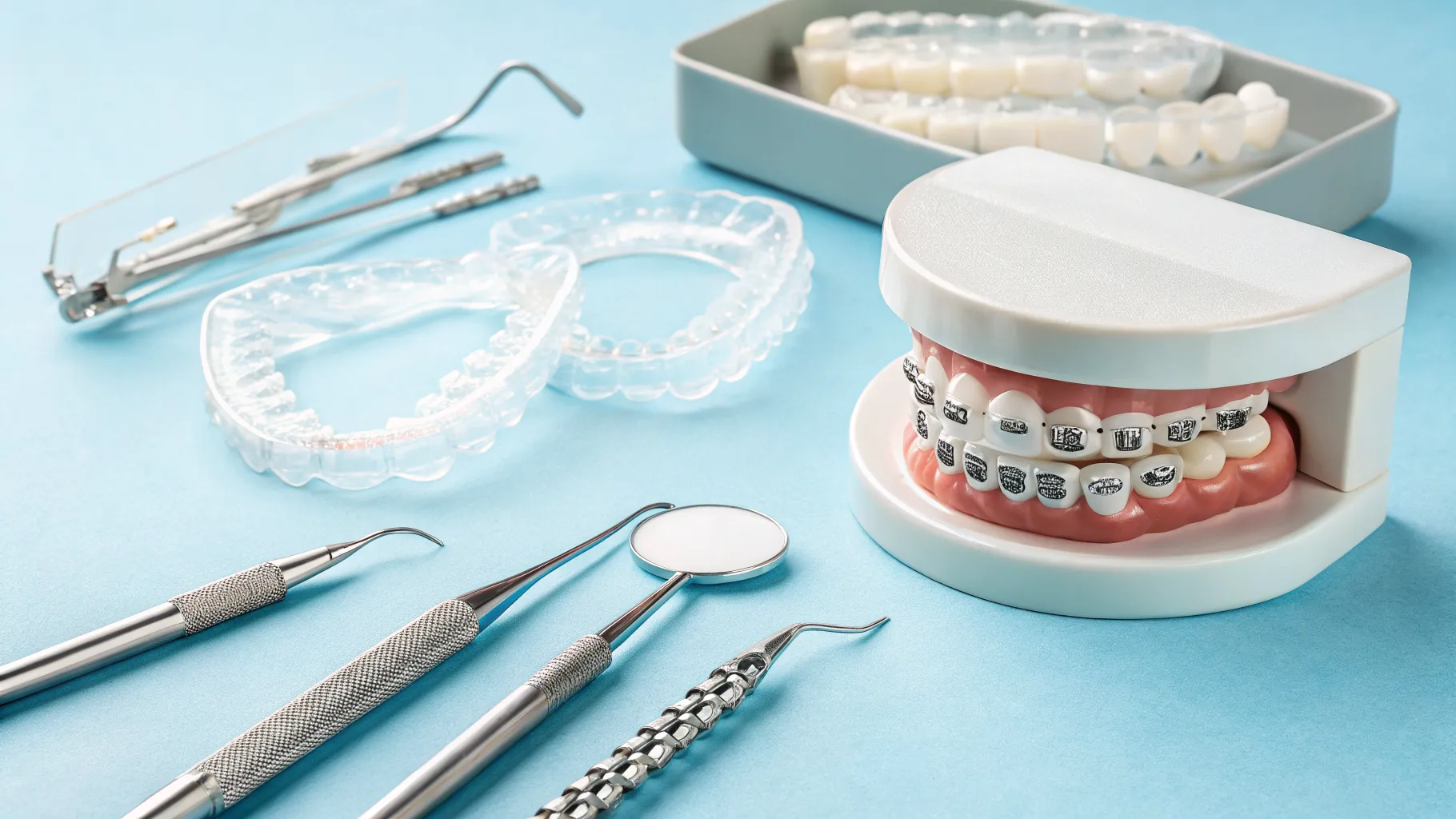
When most people think of orthodontics, traditional metal braces are often the first thing that comes to mind. This time-tested method consists of high-grade stainless steel brackets that are bonded to the front of each tooth and connected by a thin archwire. The orthodontist periodically tightens the wire, which applies gentle, consistent pressure to guide the teeth into their correct positions over time.
While they are the most visible option, modern metal braces are smaller, more comfortable, and more efficient than their predecessors. They are extremely durable and highly effective for treating a wide range of orthodontic issues, from simple crowding to complex bite problems. They are often one of the most cost-effective solutions and do not require the user to remember to wear them, as they are permanently fixed for the duration of the treatment.
Ceramic Braces
For those seeking a less noticeable alternative to metal braces, ceramic braces are an excellent choice. They work in the exact same way as traditional braces, using brackets and wires to shift teeth, but with a key aesthetic difference. The brackets are made from a clear or tooth-colored ceramic material that blends in with the natural color of your teeth, making them much less conspicuous.
While they offer a significant cosmetic advantage, there are a few considerations with ceramic braces. The material can be slightly more brittle than stainless steel, so they may require a bit more care. The clear elastic ties used to hold the wire in place can also be prone to staining from foods and drinks like coffee or curry, though they are changed at every adjustment appointment. They are typically priced slightly higher than their metal counterparts.
Clear Aligners
Clear aligners have surged in popularity as a discreet and convenient way to straighten teeth. This system uses a series of custom-made, transparent plastic trays that fit snugly over your teeth. Each set of aligners is worn for about one to two weeks before moving on to the next in the series, gradually shifting your teeth into the desired position. The process usually begins with a digital 3D scan of your mouth, which is used to create your entire treatment plan from start to finish.
The primary benefits of clear aligners are their near-invisibility and removability. You can take them out to eat, drink, brush, and floss, which means no dietary restrictions and easier oral hygiene. However, this treatment requires a high level of patient compliance. For them to be effective, aligners must be worn for 20 to 22 hours per day. They are best suited for mild to moderate alignment issues and may not be the recommended option for more complex cases.
Lingual Braces
Lingual braces are another highly aesthetic option because they are virtually invisible to others. Like traditional braces, they use a system of brackets and wires to move the teeth. The major difference is their placement: they are custom-made to bond to the back, or lingual side, of your teeth. This makes them a great choice for adults, professionals, or anyone who wants to straighten their teeth without the appliance being visible.
Because they are completely customized to fit the unique shape of your teeth, lingual braces are typically the most expensive orthodontic option. They are just as effective as traditional braces but can present a unique adjustment period. Some people experience initial changes to their speech or tongue irritation as they get used to the hardware on the inside of their teeth. These issues usually resolve within a few weeks as the mouth adapts.
Factors to Consider When Choosing
Selecting the right teeth straightening option is a significant decision that involves several personal and clinical factors. Your orthodontist will provide a professional recommendation based on your specific dental alignment and bite needs, but your own lifestyle and preferences play a crucial role as well. It is important to weigh the pros and cons of each method before committing to a treatment plan.
Before making your choice, consider the following points to discuss with your dental professional:
- Treatment Complexity: Severe crowding or significant bite problems may be better served by the robust force of traditional braces.
- Aesthetics: How important is it to you that your orthodontic appliance is not visible? Your answer might point you toward clear aligners, ceramic braces, or lingual braces.
- Lifestyle: Consider your daily habits. If you play contact sports or a wind instrument, fixed braces may require special protection, while removable aligners might be a simpler solution.
- Budget: Costs can vary significantly between treatments. It's wise to understand the full price and check with your insurance provider about coverage.
- Discipline: Be honest about your habits. Removable aligners require the discipline to wear them consistently and not lose them.
The Orthodontic Consultation Process
Regardless of which option seems most appealing, the first step is always a thorough consultation with a qualified orthodontist. This initial appointment is crucial for getting an accurate assessment of your dental health and understanding the possibilities for your smile. During this visit, the orthodontist will conduct a comprehensive examination of your teeth, jaw, and bite.
The evaluation typically includes taking photographs, X-rays, and possibly a digital 3D scan of your mouth. These diagnostic tools allow the orthodontist to see the position of your teeth and roots, assess jaw alignment, and identify any underlying issues. Afterward, they will discuss their findings with you and present the most suitable treatment options, explaining the pros, cons, estimated duration, and costs associated with each. This is your opportunity to ask questions and get all the information you need to make a confident decision.