
A Consumer's Guide to Finding Dentures
Losing teeth can significantly impact your life, but modern dental solutions offer effective ways to restore your smile and chewing function. Dentures are a common and reliable option for replacing missing teeth. Navigating the process of acquiring them can seem complex, but understanding the basics can make it much more straightforward.
Understanding What Dentures Are
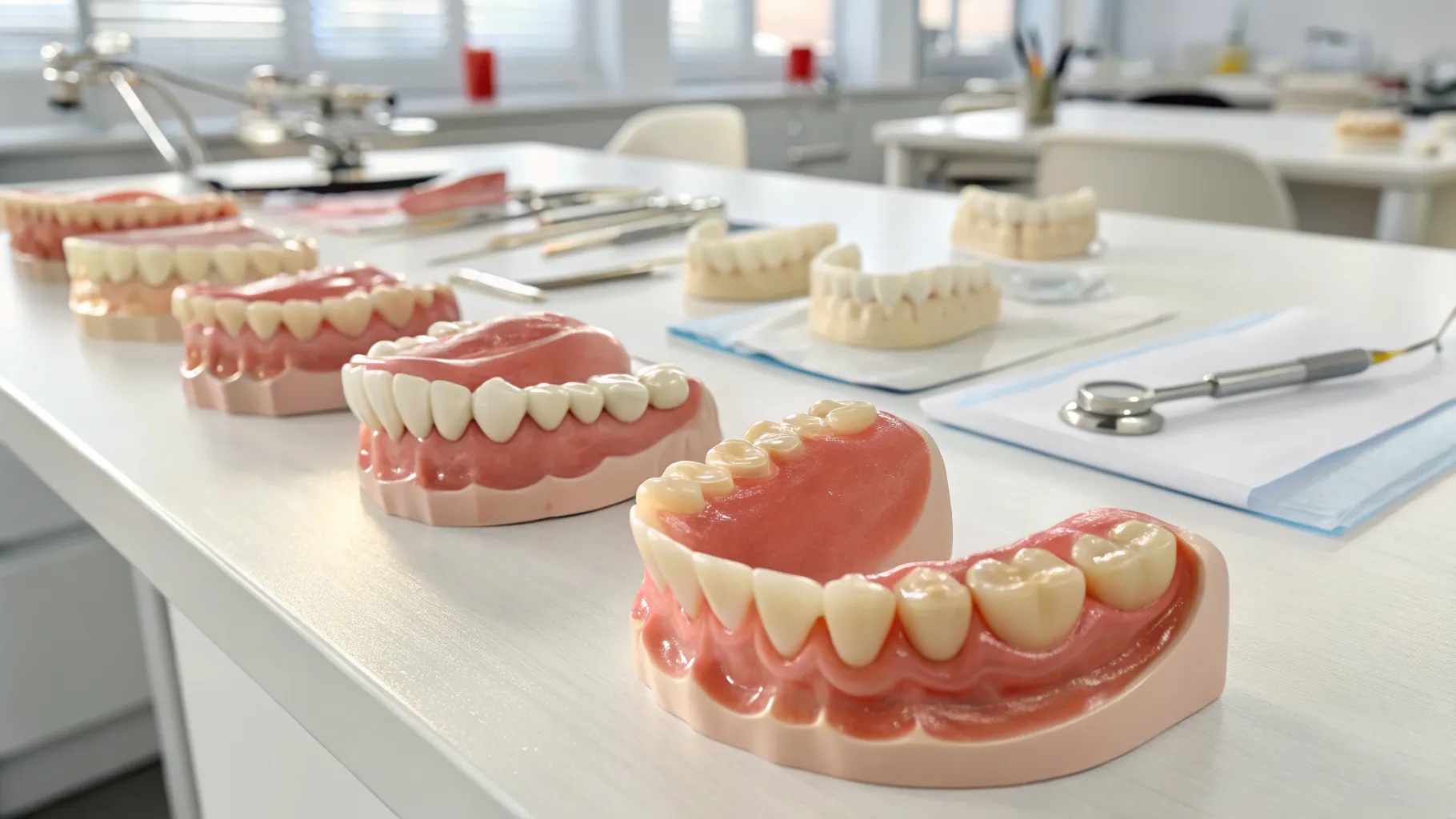
Dentures are removable appliances designed to replace missing teeth and the surrounding tissue. Their primary purpose is to restore both the function and appearance of a person's smile. Functionally, they help with chewing and speaking, which can be difficult with missing teeth. Aesthetically, they support facial muscles, preventing the sagging appearance that can occur after tooth loss and providing a full, natural-looking smile.
These dental prosthetics are custom-made in a dental laboratory based on impressions taken of your mouth. This customization ensures a comfortable and secure fit. Dentures can be fabricated for the upper jaw, the lower jaw, or both, depending on an individual's needs. They are crafted to closely resemble your natural teeth and gums, making them an effective solution for tooth replacement.
Exploring the Different Types of Dentures
Not all dentures are created equal, and the best option for you will depend on your specific dental situation, particularly how many teeth need replacing. A dental professional can help determine which type is most suitable after a thorough examination of your oral health and jaw structure. The main categories include complete, partial, and implant-supported dentures.
Complete Dentures
These are used when all of the natural teeth in either the upper or lower jaw are missing. Conventional complete dentures are placed after the gum tissue has fully healed from any tooth extractions, a process that can take several months. Immediate dentures, on the other hand, are made in advance and positioned as soon as the teeth are removed, preventing the patient from having to be without teeth during the healing period.
Partial Dentures
When one or more natural teeth remain, a removable partial denture is a common solution. This device typically consists of replacement teeth attached to a pink or gum-colored plastic base, which is sometimes connected by a metal framework that holds the denture in place. They fill in the spaces created by missing teeth and prevent other teeth from changing position.
Implant-Supported Dentures
For a more stable and secure fit, some patients opt for implant-supported dentures. These overdentures rest on dental implants, which are small posts surgically placed into the jawbone. The denture then snaps securely onto these implants, offering superior stability compared to traditional dentures that rest on the gums. This option often improves confidence when eating and speaking.
Who Provides Dentures?
When seeking dentures, you will work with dental professionals who specialize in restorative dentistry. For many people, a general dentist is the first point of contact. They are qualified to diagnose your needs, plan the treatment, take impressions, and fit the final dentures. They can manage the entire process for straightforward cases.
In other situations, you might be referred to a specialist. A denturist is a dental professional who is specifically trained to design, fabricate, and fit removable dentures. They focus exclusively on this type of prosthetic. A prosthodontist is a dental specialist with several additional years of training in restoring and replacing teeth. They often handle more complex cases involving dentures, crowns, bridges, and implants.
The Typical Process for Getting Dentures
Receiving a new set of dentures is a multi-step process that requires several visits to your dental provider. It is important to have patience, as creating a well-fitting and natural-looking denture takes time and precision. The goal is to ensure the final product is both comfortable and functional for the long term.
The journey to new dentures generally follows these key stages:
- Consultation: An initial examination of your gums and any remaining teeth to assess your oral health and discuss your options.
- Impressions: The dentist or denturist will take precise molds and measurements of your jaw to create a model for the custom dentures.
- Model Try-in: A wax model or preliminary version of the denture is created. You will try this in to check the fit, bite, and appearance. Adjustments to the tooth shape, color, and positioning are made at this stage.
- Final Fitting: Once the final denture is fabricated, you will have a fitting appointment. The professional will place it in your mouth and make any necessary minor adjustments to ensure it is comfortable and secure.
- Follow-up Visits: It is common to need one or more follow-up appointments to fine-tune the fit as your mouth and gums adjust to the new appliance.
Key Factors Affecting the Cost of Dentures
The cost associated with dentures can vary significantly based on a number of important factors. There is no single price tag, as each case is unique and requires a personalized approach. Understanding what influences the final cost can help you make an informed decision when reviewing your treatment plan.
Several elements contribute to the overall price. The type of denture is a major factor, with complete dentures typically costing more than partial ones, and implant-supported options being the most significant investment. The materials used also play a large role; high-end, durable acrylics and more realistic-looking porcelain teeth will cost more than standard materials. Finally, the expertise of the provider and your geographic location can also impact the price.
Proper Care and Maintenance for Your Dentures
To ensure your dentures last for many years and remain comfortable, proper care is essential. Although they are made from durable materials, they can be damaged if not handled correctly. Consistent maintenance also helps protect your oral health by keeping your gums and any remaining natural teeth in good condition.
Good denture hygiene includes daily cleaning to remove food particles and prevent plaque buildup. Use a soft-bristled brush and a non-abrasive denture cleanser, not regular toothpaste, which can be too harsh. When you are not wearing them, especially overnight, keep them submerged in water or a denture-soaking solution to prevent them from drying out and warping. Always handle your dentures over a folded towel or a sink full of water to avoid breakage if you accidentally drop them.