A Consumer's Guide to Finding Dentures for Sale
Finding the right dentures is a significant step toward restoring your smile and improving your quality of life. Whether you are a first-time wearer or looking for a replacement set, understanding your options is crucial. This guide provides essential information to help you navigate the types, costs, and processes involved in obtaining new dentures.
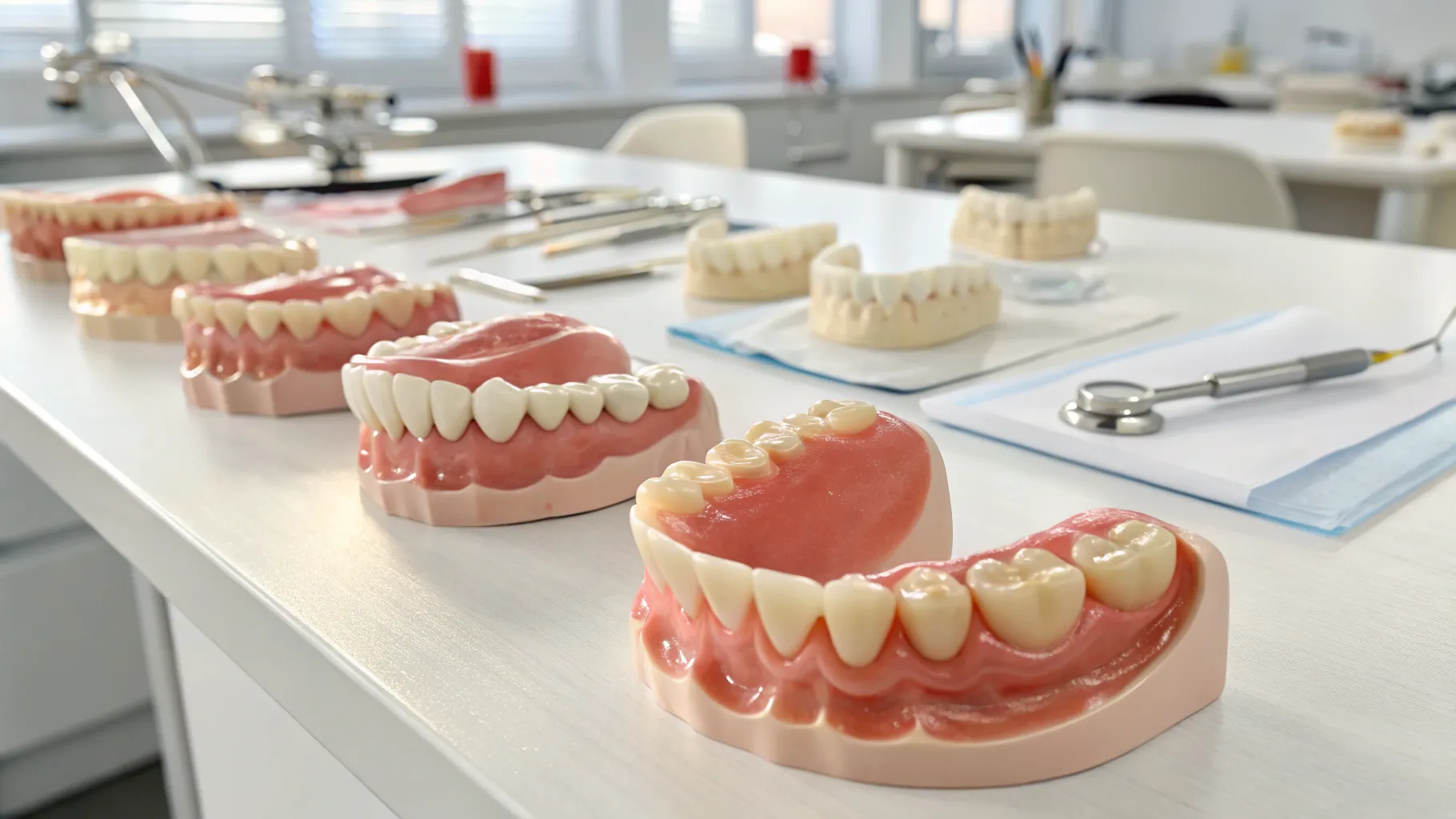
Understanding the Different Types of Dentures
Before you begin your search, it is helpful to know the main categories of dentures that are available. The best type for you will depend on how many teeth you need to replace and your specific oral health needs. A dental professional can help you determine the most suitable option after a thorough examination.
Your choices generally fall into several key categories, each designed for a different situation:
- Complete Dentures: These are used when all of the natural teeth in either the upper or lower jaw are missing. They rest on the gums and are held in place by suction.
- Partial Dentures: When one or more natural teeth remain, partial dentures can fill the gaps. They are typically secured to your remaining teeth with metal or plastic clasps.
- Conventional Dentures: This type is made and placed in your mouth after the remaining teeth have been removed and the gum tissues have had time to heal, which can take several months.
- Immediate Dentures: These are made in advance and can be positioned as soon as the teeth are removed. This prevents the patient from having to be without teeth during the healing period, but they require more adjustments as the gums and bones shrink over time.
- Implant-Supported Dentures: For a more secure fit, these dentures are anchored to dental implants that have been surgically placed in the jawbone. They offer superior stability and chewing power.
Key Factors That Determine Denture Costs
The price of dentures can vary widely, and several factors contribute to the final cost. The materials used are a primary determinant. Denture teeth can be made from acrylic resin or porcelain, with porcelain typically being more expensive but also more durable and natural-looking. The base of the denture is usually made from a colored acrylic to mimic gum tissue, and some partial dentures may have a metal framework for added strength.
Beyond materials, the level of customization and the professional fees of the dentist or prosthodontist will impact the price. Highly customized dentures that are crafted to precisely match the contours of your mouth and the appearance of your natural teeth will cost more than basic, economy-style dentures. Furthermore, the geographic location of the dental practice and the complexity of your individual case will also play a role in the overall expense.
Where to Obtain Dentures
There are several professional avenues for getting dentures. Most people start with their general dentist, who can assess their needs and either create the dentures themselves or refer them to a specialist. A prosthodontist is a dental specialist with advanced training in restoring and replacing teeth, making them an excellent choice for complex cases or for patients seeking a highly customized result.
For those concerned about cost, dental schools can be a more affordable option. At a dental school, supervised students perform the work at a reduced price. Another potential source for lower-cost care is a community dental clinic or a federally qualified health center. These facilities often provide services on a sliding scale based on income, making dentures more accessible to a wider range of people.
The Process of Getting Fitted for Dentures
Receiving a new set of dentures is a multi-step process that requires several visits to the dental office. The goal is to create a comfortable, functional, and aesthetically pleasing prosthesis. The first step is a comprehensive consultation and examination, where the dental professional will assess your oral health and discuss your options.
From there, the process typically involves several key stages. The dental team will take precise impressions and measurements of your jaw. A wax model or mock-up of the denture will be created for you to try in. This allows you and your dentist to check the fit, bite, and appearance before the final denture is fabricated. Once you are both satisfied, the final denture is made and fitted. Follow-up appointments are usually necessary to make minor adjustments for optimal comfort.
What Constitutes a High-Quality Denture?
A high-quality denture is defined by its fit, function, and appearance. A proper fit is essential for comfort and stability. The denture should rest securely on the gums without causing sore spots or irritation, and it should not click or slip during normal activities like speaking or eating. Suction and a precise fit are what keep upper dentures in place, while lower dentures rely more on close adaptation to the gums.
Aesthetics are also a critical component of a quality denture. The teeth should have a natural shape, color, and translucency that complement your facial features. The acrylic base should be colored to realistically match your natural gum tissue. Finally, durability is key. Well-made dentures are fabricated from high-impact, wear-resistant materials that can withstand the forces of chewing and daily use for many years with proper care.
Common Pitfalls and What to Avoid
When searching for dentures, it is wise to be cautious of options that seem too easy or inexpensive. Purchasing dentures online or through mail-order kits is generally not recommended. These products do not involve a professional examination or fitting, which can result in poor fit, discomfort, mouth sores, and difficulty eating or speaking. An ill-fitting denture can also cause long-term damage to your gums and jawbone.
Always seek care from a licensed dental professional. Be wary of exceptionally low prices that may indicate the use of subpar materials or a lack of follow-up care. Before committing, ask for a detailed breakdown of all costs, including the denture itself, any necessary tooth extractions, follow-up visits, and adjustments. A reputable provider will be transparent about fees and what is included in the service.