
A Guide to a 7-Night Greek Islands Cruise from Crete
Embarking on a cruise through the Greek Islands offers a fantastic way to experience a rich tapestry of history, culture, and stunning natural beauty without the hassle of coordinating ferries and hotels. A 7-night journey starting from Heraklion, Crete, provides a perfect gateway to two of the most enchanting archipelagos in the Aegean Sea: the Cyclades and the Dodecanese. This guide will walk you through what a typical summer voyage in this region entails.
Understanding the Itinerary: Cyclades vs. Dodecanese
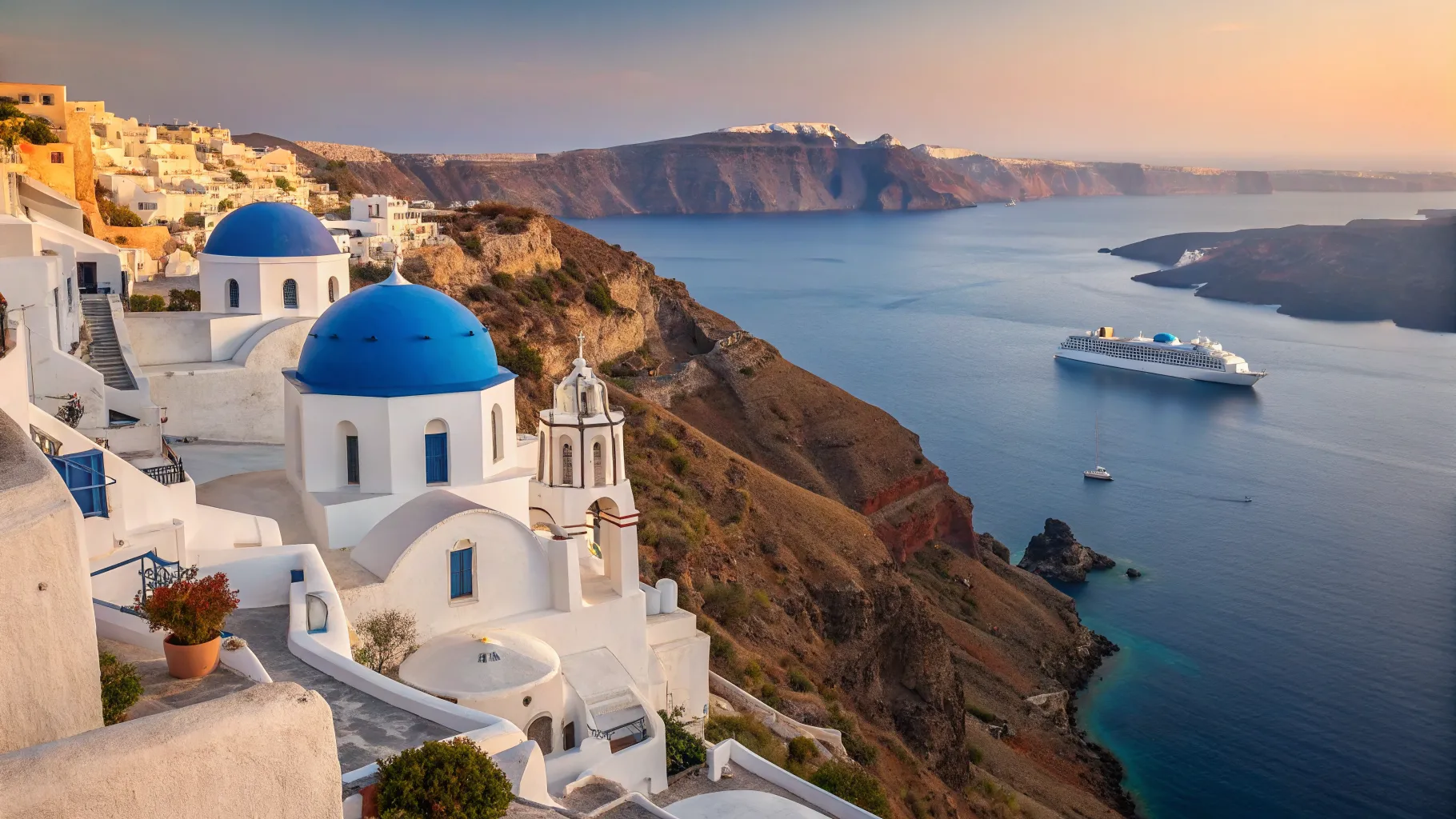
A cruise itinerary in this part of Greece will typically split its time between two distinct yet equally captivating island groups. The Cyclades are perhaps the most iconic, known for their whitewashed villages, blue-domed churches, and vibrant atmosphere. Islands like Santorini and Mykonos are world-famous for their dramatic cliffs, beautiful beaches, and lively nightlife, offering a classic Greek island experience.
The Dodecanese islands, located closer to the coast of Turkey, offer a different flavor, rich with medieval history and a unique cultural blend. Rhodes, with its magnificent walled Old Town built by the Knights of Saint John, feels like stepping back in time. Other islands like Patmos are known for their profound spiritual significance, home to the Monastery of Saint John the Theologian and the Cave of the Apocalypse. Your cruise will likely feature a mix of ports from both groups, providing a well-rounded Aegean adventure.
The Heraklion Departure Point
Starting your journey in Heraklion, the capital of Crete, is a strategic advantage. As Crete's largest city and main port, it is well-equipped to handle cruise departures and is easily accessible via its international airport. Arriving a day or two before your cruise allows you to explore the rich history of the Minoan civilization. The legendary Palace of Knossos is just a short drive away, offering a glimpse into one of Europe's oldest advanced cultures.
Heraklion itself is a vibrant city with a Venetian fortress guarding its harbor, bustling markets, and excellent museums, including the Heraklion Archaeological Museum. Spending some extra time here before or after your sailing enriches your trip, turning your cruise vacation into a more comprehensive Greek cultural experience. The city provides all the necessary amenities for travelers, making it a convenient and fascinating starting point.
A Typical 7-Night Sailing Schedule
While every cruise line offers a unique route, a 7-night itinerary generally follows a predictable pattern designed to maximize your time exploring. You can expect a blend of full days in port and occasional 'at sea' days, which give you time to relax and enjoy the ship's amenities. Port calls typically last from early morning until late afternoon or evening, giving you ample time for exploration. Some itineraries may even include an overnight stay in a popular port like Santorini or Mykonos, allowing for a deeper immersion and the chance to experience the island's evening ambiance.
A sample week could include a diverse mix of destinations. Your journey might feature stops at several of the following iconic and lesser-known islands:
- Santorini (Cyclades): Famous for its caldera views, Oia's sunsets, and volcanic beaches.
- Mykonos (Cyclades): Known for its windmills, Little Venice quarter, and cosmopolitan nightlife.
- Rhodes (Dodecanese): Explore the medieval Old Town, the Palace of the Grand Master, and ancient acropolis sites.
- Patmos (Dodecanese): A quieter, spiritual island with significant historical and religious landmarks.
- Milos (Cyclades): Celebrated for its unique coastal landscapes and the famous Sarakiniko Beach.
- Symi (Dodecanese): A small, picturesque island with a stunning harbor filled with neoclassical mansions.
Onboard Life and Ship Amenities
The type of cruise ship you travel on can greatly shape your experience. Vessels sailing the Greek Islands range from massive, resort-style ships with thousands of passengers to smaller, more intimate yachts and boutique cruise ships. Larger ships typically offer a vast array of amenities, including multiple restaurants, swimming pools, spas, theaters with nightly entertainment, and kids' clubs. These are great for families or travelers who enjoy having many options at their fingertips.
Smaller vessels, on the other hand, provide a more personal and often more luxurious experience. They can often access smaller ports that larger ships cannot, offering a more unique itinerary. Onboard life is generally quieter, with a focus on fine dining, enrichment lectures, and enjoying the scenery from the deck. When choosing a cruise, consider what style of travel you prefer: the non-stop entertainment of a large ship or the tranquil, destination-focused approach of a smaller one.
Shore Excursions: Exploring the Islands
Once you arrive at a port, you have several options for exploring. Cruise lines offer a wide variety of organized shore excursions, which can be a convenient, stress-free way to see the highlights. These can range from guided walking tours of historical sites like the Acropolis of Rhodes to wine-tasting experiences in Santorini or relaxing boat trips to secluded beaches. Booking through the ship guarantees you will be back before departure time.
Alternatively, many travelers prefer to explore independently. Most Greek island ports are located in or near pedestrian-friendly towns that are easy to navigate on your own. You can wander through charming alleyways, shop at local boutiques, or find a seaside taverna for a leisurely lunch. For destinations further afield, taxis, local buses, or rental ATVs and scooters are often available right at the port, giving you the freedom to create your own adventure.
Budgeting for Your Greek Island Cruise
Understanding what is included in your cruise fare is key to managing your budget. The initial price typically covers your cabin accommodation, most meals in the main dining rooms and buffet restaurants, and basic beverages like water, coffee, and tea. Access to most of the ship's entertainment and facilities, such as pools and fitness centers, is also usually part of the package.
However, there are several additional costs to plan for. These almost always include gratuities for the crew, which may be added to your onboard account automatically. Other common extra expenses are alcoholic beverages, soft drinks, specialty coffees, meals at alternative or a la carte restaurants, shore excursions booked through the cruise line, and spa treatments. Port fees and taxes are sometimes listed separately from the base fare, so be sure to check the final price before booking.
Packing and Preparing for a Summer Cruise
Packing for a Greek island cruise in the summer is relatively straightforward, with a focus on lightweight and breathable clothing. Daytime temperatures will be hot, so pack plenty of shorts, t-shirts, sundresses, and swimwear. A wide-brimmed hat, sunglasses, and high-SPF sunscreen are absolutely essential for protection during sunny days spent exploring or lounging on deck.
Aside from casual wear, it is a good idea to pack a few smarter outfits for evenings. While many cruises have a relaxed dress code, some main dining rooms or specialty restaurants may require something a bit more formal than shorts. Other important items to bring include:
- Comfortable walking shoes for exploring cobblestone streets and archaeological sites.
- A light jacket or wrap for cooler, windy evenings on the ship's deck.
- A reusable water bottle to stay hydrated.
- Any necessary medications, along with a small first-aid kit.
- Your passport and any required travel documents.