A Guide to Buying a Barn Find Car for Sale
The term 'barn find' evokes a powerful image for any car enthusiast: a dusty, forgotten classic vehicle, hidden away for decades, just waiting to be rediscovered. These automotive time capsules offer a unique connection to the past and the potential for a rewarding restoration project. However, purchasing a barn find is a significant undertaking that requires careful research, realistic expectations, and a thorough understanding of what you are getting into.
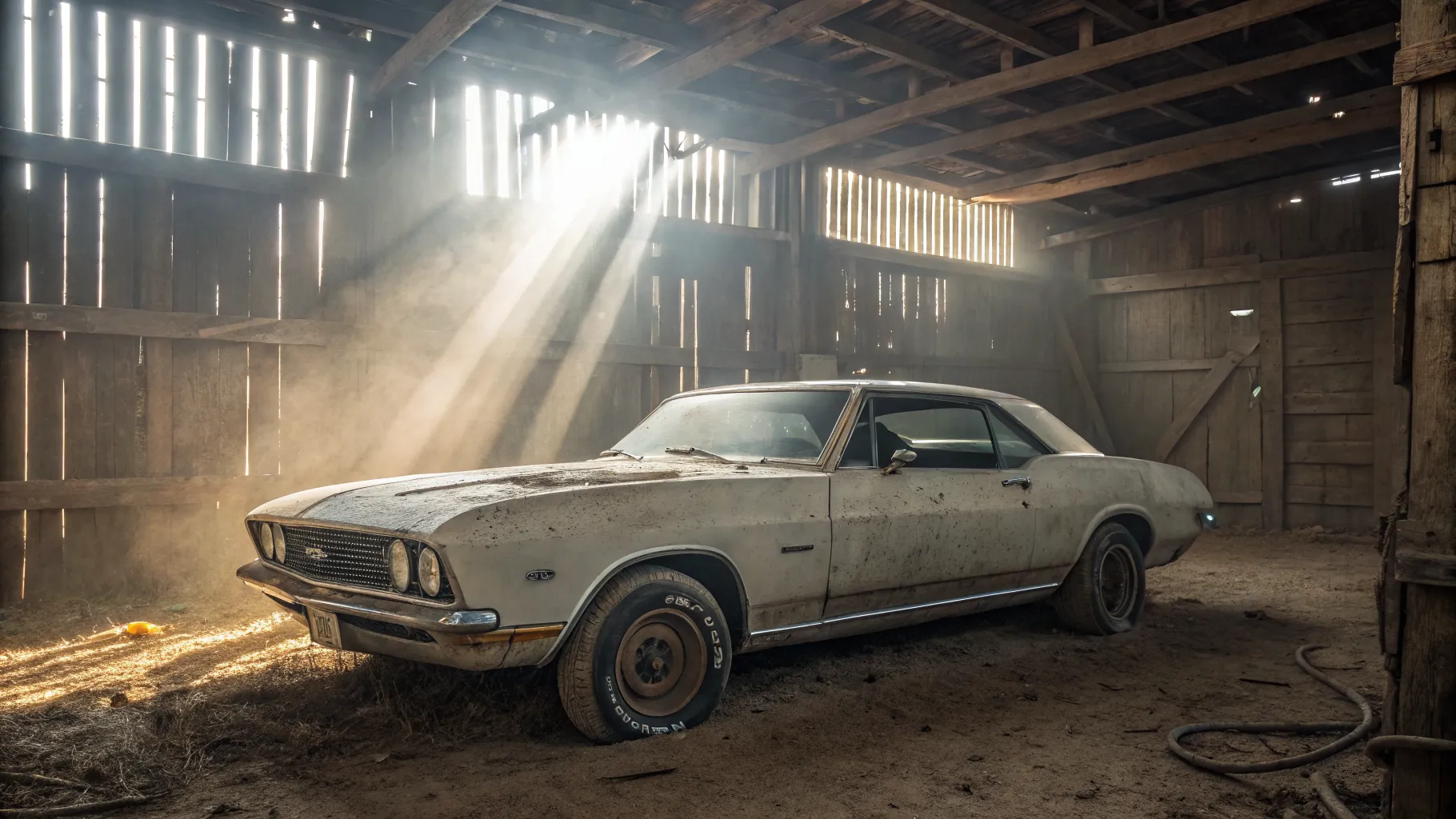
What Exactly Is a 'Barn Find'?
A barn find is a classic, antique, or special interest vehicle that has been stored for a long period of time and is discovered in a neglected state. While the name suggests a farm building, these cars can be found in all sorts of places, including garages, sheds, fields, and even forgotten storage containers. The key element is that the vehicle has been out of sight and off the road for many years, often decades, preserving it in a particular state of decay or preservation.
The appeal of a barn find is multifaceted. For many, it is the romance of the hunt and the thrill of discovery. Each car has a story, and unearthing it feels like automotive archaeology. There's also the potential of finding a rare or highly desirable model at a fraction of its restored value. These vehicles are essentially automotive time capsules, often retaining a level of originality that is hard to find in cars that have been in continuous use.
Where to Find Barn Find Cars for Sale
Finding a true, undiscovered barn find is rare, but locating one that has already been unearthed and is for sale is much more feasible. The internet has made it easier than ever to connect buyers with these types of project cars. However, opportunities can still be found through more traditional, local methods. Keeping an eye on various sources is key to finding the right project for you.
Consider looking for these vehicles in the following places:
- Online Auction Sites: Websites specializing in classic cars or general online marketplaces frequently have listings for barn find vehicles.
- Estate Sales and Auctions: When a property is being cleared out, forgotten vehicles are often part of the sale. Check listings for local estate auctions.
- Classic Car Forums and Clubs: Engaging with online communities dedicated to specific makes or models can lead to inside information on cars that might be for sale.
- Local Classifieds: Don't overlook local online classifieds or even old-fashioned print newspapers, as some sellers prefer to deal locally.
- Word-of-Mouth: Let fellow car enthusiasts, mechanics, and people in your community know what you are looking for. Sometimes the best leads come from personal connections.
Popular Types of Barn Find Vehicles
Virtually any kind of car can become a barn find, but certain types tend to capture the imagination of collectors and restorers more than others. The vehicles most commonly found often reflect the popular models of past eras, particularly those from the post-war boom in automobile production. The geographic location can also influence what you might find; for example, rural farming areas are great places to find old pickup trucks.
Some of the most sought-after categories include American muscle cars from the 1960s and 70s, classic European sports cars from brands like Porsche, Jaguar, and MG, and iconic pre-war automobiles from the 1930s and 40s. Vintage pickup trucks have also seen a huge surge in popularity. The dream for many is to uncover a highly optioned, numbers-matching vehicle that is complete and relatively solid, making it a prime candidate for a high-quality restoration.
Key Factors to Consider Before Buying
Before you get carried away by the excitement of a potential discovery, it is vital to perform your due diligence. A barn find is a major project, and the initial purchase is just the first step in a long and often expensive journey. A cool head and a critical eye are your best tools when evaluating a potential purchase. Rushing into a decision without a thorough inspection is a common and costly mistake.
One of the most important factors is completeness. Are all the major components present? Pay close attention to unique trim pieces, badges, and interior parts, as these can be extremely difficult and expensive to source. Check for the vehicle's identification number (VIN) plate and any other identifying tags. An original, numbers-matching engine and drivetrain can significantly add to the vehicle's value once restored, so verifying these components is also crucial.
Assessing the Condition of a Barn Find
Decades of neglect can take a serious toll on a vehicle. Your primary task is to determine if the car is a viable restoration candidate or simply a parts car. The most significant concern is almost always rust. You must differentiate between surface rust, which is often cosmetic, and deep, structural rust in the frame, floor pans, or key body mounts. Structural rust can make a restoration prohibitively expensive or even unsafe.
Beyond rust, inspect everything you can. The engine will likely not run and may be seized from sitting. Expect the entire fuel system, from the tank to the carburetor, to be contaminated and in need of a full rebuild. The brake system will be completely non-functional and require replacement. Inside, look for signs of pests, mold, and water damage. The upholstery, carpets, and headliner will probably be deteriorated and need to be replaced.
The Reality of Restoration Costs and Effort
A low purchase price for a barn find can be very deceptive. In reality, the initial cost of the car is often a small fraction of the total restoration budget. Parts, materials, and specialized labor can add up very quickly. It is not uncommon for the cost of a full, professional restoration to far exceed the final value of the car, so it's important to see it as a passion project rather than a financial investment.
You must also honestly assess the time and skills required. A complete restoration is a multi-year commitment for even experienced hobbyists. It requires expertise in mechanics, bodywork, welding, painting, and electrical systems. If you plan to do the work yourself, be realistic about your abilities. If you plan to hire professionals, get detailed quotes for each stage of the process to build a comprehensive budget before you commit to buying the car.
The Legal Side: Titles and Paperwork
Perhaps the most critical and often overlooked aspect of buying a barn find is the legal paperwork. A vehicle without a clear title is, in the eyes of the law, just an assortment of parts. You cannot register it or legally drive it on the road. Securing a title should be your first priority, and a seller's inability to provide one is a major red flag.
The process for obtaining a new title for an old, off-the-books vehicle varies by state and can be complicated and time-consuming. It may involve tracking down previous owners, filing for a bonded title, or going through a lengthy verification process with your local motor vehicle department. Always investigate the specific requirements in your jurisdiction and ensure you have a clear path to obtaining a title in your name before any money changes hands.