
A Guide to Instant Teeth Whitening Solutions for Home Use
Many people seek a brighter smile and are curious about at-home solutions that offer fast results. The market is filled with products claiming to provide instant teeth whitening, but understanding how they work, what to expect, and potential side effects is key. This guide breaks down the most common options available for home use, providing a clear overview to help you make informed decisions.
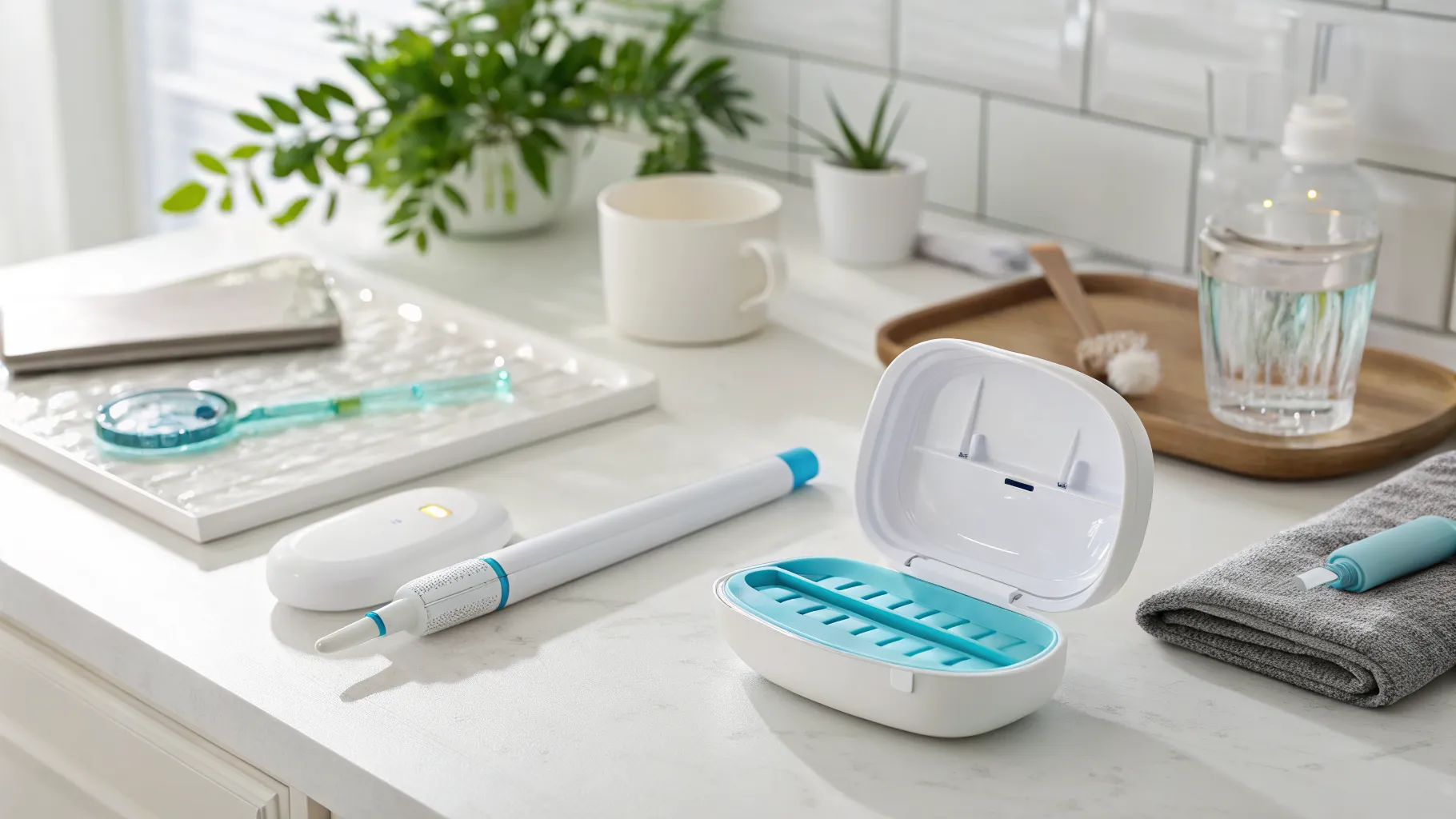
Understanding 'Instant' Whitening
The term 'instant' in teeth whitening can be misleading. For most at-home products, it refers to a noticeable change after the very first use, not a complete transformation to a dramatically whiter shade in minutes. The effectiveness of these products largely depends on the type of tooth discoloration. They are generally best at removing extrinsic stains, which are surface-level stains caused by coffee, tea, red wine, and smoking.
Intrinsic stains, which are located deeper within the tooth structure, are more difficult to remove with over-the-counter products. These stains can be caused by aging, genetics, certain medications, or trauma to the tooth. While some powerful at-home kits can lighten these stains over time with consistent use, achieving 'instant' results for deep discoloration is typically unrealistic. Managing expectations is crucial when beginning any at-home whitening regimen.
Common Whitening Strips and Gel Trays
Whitening strips are one of the most popular and accessible forms of at-home teeth whitening. These are thin, flexible plastic strips coated with a whitening gel containing a peroxide-based bleaching agent, either hydrogen peroxide or carbamide peroxide. You apply them directly to your teeth for a set period, usually around 30 minutes daily, for a course of one to two weeks. Users often see initial results after the first few applications.
Gel trays work on a similar principle but involve a different application method. A whitening gel is placed into a mouthguard-like tray that you fit over your teeth. Some kits come with pre-filled trays, while others require you to apply the gel yourself. Custom-fit trays from a dentist provide the best coverage, but over-the-counter options often use a 'boil-and-bite' material for a more personalized fit than a standard tray. The gel remains in contact with the teeth for a specified duration, breaking down stains.
The Role of Whitening Pens and Serums
Whitening pens and serums offer a more targeted approach to teeth whitening. A whitening pen is a small, portable tube with a brush tip that allows you to 'paint' a peroxide-based gel directly onto the surface of each tooth. This method is excellent for touch-ups and for reaching stains in difficult-to-access areas between teeth. Due to their convenience, they are a popular choice for maintaining a white smile on the go.
The main advantage of pens and serums is precision, which helps in avoiding contact with the gums and reducing potential irritation. However, they are generally less potent than full kits with strips or trays. They are best suited for addressing minor, specific surface stains rather than achieving a significant, all-over shade change. Think of them as a maintenance tool rather than a primary whitening system.
LED Light Accelerator Devices
Many modern whitening kits now include a blue LED light device. The theory is that the light activates the hydrogen peroxide or carbamide peroxide in the whitening gel, potentially accelerating the chemical reaction that breaks down stains. Users apply the whitening gel to their teeth, often using a tray, and then place the LED device in their mouth for the duration of the treatment, which can range from 10 to 30 minutes.
While many brands claim these devices speed up and enhance results, the independent scientific evidence supporting their effectiveness for at-home use is mixed. Some studies suggest a minor initial boost, while others conclude there is no significant long-term benefit compared to using the gel alone. The light can create a temporary dehydrating effect on the teeth, making them appear whiter immediately after use, but this effect often subsides as the teeth rehydrate.
Natural and Alternative Whitening Methods
For those who prefer to avoid chemical-based whiteners, several natural or alternative methods are often discussed. Common examples include using pastes made from baking soda, activated charcoal, or certain fruit peels. Baking soda is mildly abrasive and can help scrub away surface stains, but it does not change the intrinsic color of the teeth. Activated charcoal is also highly abrasive and works by binding to and removing surface stains.
It is important to approach these methods with caution. The abrasive nature of substances like charcoal and baking soda can wear down tooth enamel over time if used too frequently or aggressively. Damaged enamel can lead to increased sensitivity and a higher risk of cavities. Most dental professionals recommend sticking to products specifically designed and tested for teeth whitening to ensure safety and effectiveness.
Potential Risks and How to Minimize Them
The most common side effects associated with at-home teeth whitening are tooth sensitivity and gum irritation. Sensitivity often occurs because the peroxide in the whitening agent can temporarily penetrate the enamel and reach the nerves inside the tooth. Gum irritation typically happens when the whitening gel comes into contact with the soft tissues of the mouth.
To minimize these risks, it is essential to follow the product instructions carefully. Consider these tips:
- Do not leave strips or gels on for longer than the recommended time.
- Wipe away any excess gel that gets on your gums.
- If you experience strong sensitivity, consider reducing the frequency of use or choosing a product with a lower peroxide concentration.
- Avoid whitening if you have untreated cavities, gum disease, or worn enamel, as this can worsen existing problems.
Before starting any new whitening routine, consulting with a dentist is always the best course of action. A professional can assess your oral health, determine the cause of your tooth discoloration, and recommend the safest and most effective whitening approach for your specific needs.