
Beat the Bloat: The Ultimate Guide to Natural Remedies for Bloating
Facts:
- Nearly 30% of the population reports regular bloating.
- Herbal teas are a leading trend for digestive health support.
Soothing Your System: A Deep Dive into Natural Remedies for Bloating
Bloating is an uncomfortable and often frustrating condition characterized by a feeling of fullness, tightness, or swelling in the abdomen. While it can be caused by various factors, many people seek effective ways to manage it without resorting to over-the-counter medications. Fortunately, a wealth of powerful natural remedies for bloating exist, rooted in traditional wisdom and backed by modern science. These solutions focus on soothing the digestive tract, reducing gas formation, and promoting healthy gut function. This guide will explore the most effective strategies and natural remedies for bloating to help you find lasting relief and reclaim your digestive comfort.
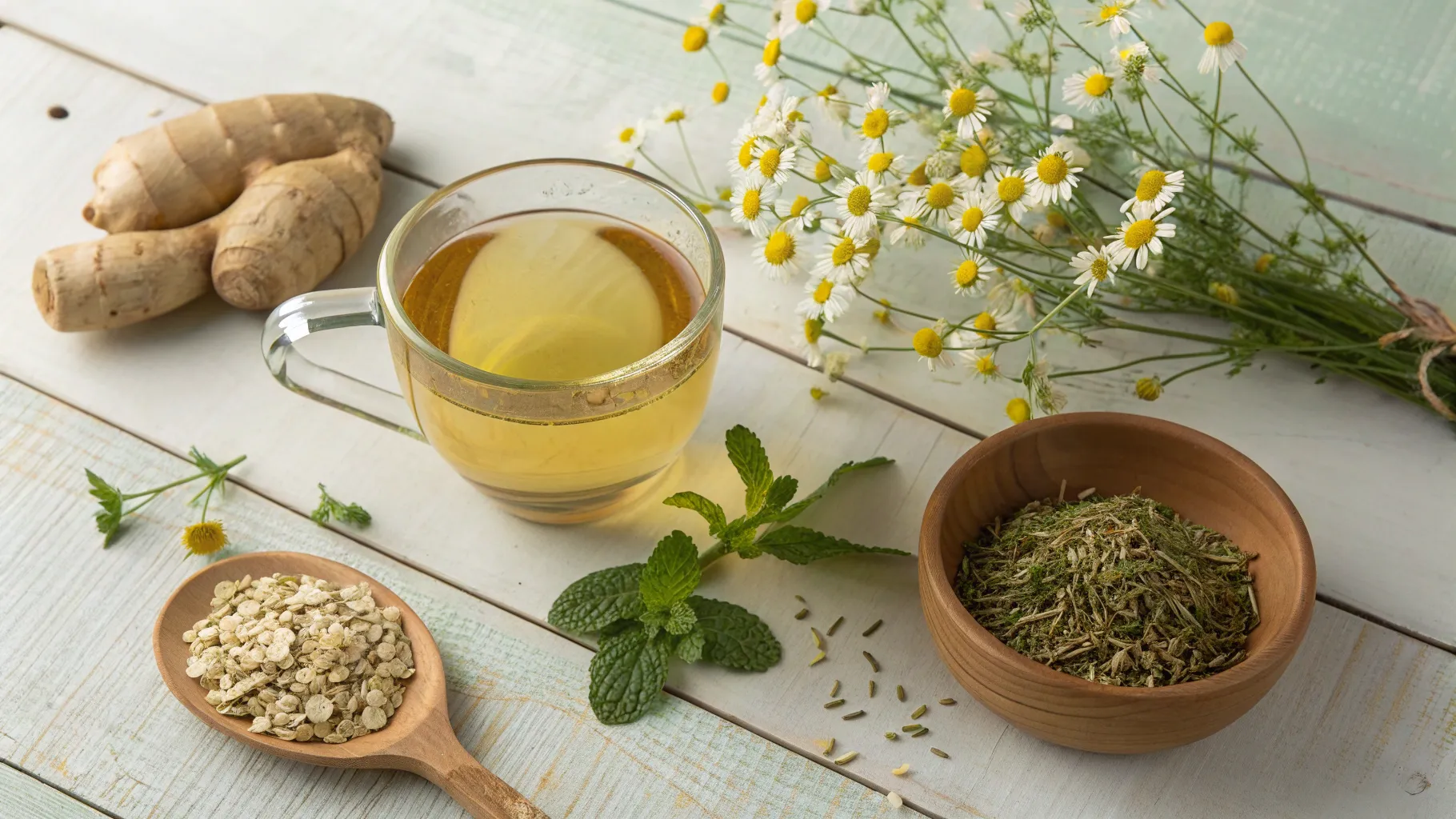
Top Herbal and Spice-Based Remedies for Bloating
Herbs and spices have been used for centuries to address digestive ailments. Their carminative properties help expel gas, while their anti-inflammatory and antispasmodic effects can calm an irritated gut. Incorporating these into your routine can be one of the most effective natural remedies for bloating.
Ginger (Zingiber officinale)
Ginger is a potent anti-inflammatory and digestive aid. It contains compounds called gingerols and shogaols, which help relax the intestinal muscles and speed up stomach emptying. This action can prevent food from fermenting and creating excess gas. Enjoying a cup of fresh ginger tea before or after a meal is an excellent way to harness its benefits, making it one of the most popular natural remedies for bloating.
Peppermint (Mentha piperita)
Peppermint, particularly in the form of tea or oil, is renowned for its ability to soothe digestive distress. The menthol in peppermint has an antispasmodic effect on the smooth muscles of the digestive tract, which helps relieve cramping and trapped gas. This makes peppermint tea a go-to solution for those seeking immediate relief and a staple among natural remedies for bloating.
Fennel Seeds (Foeniculum vulgare)
Fennel seeds are a classic carminative, meaning they help prevent the formation of gas or facilitate its expulsion. The compounds anethole and fenchone in fennel relax the intestinal muscles and have anti-inflammatory properties. Chewing on a small spoonful of fennel seeds after a meal or drinking fennel tea is a simple yet powerful technique to combat bloating.
Chamomile (Matricaria chamomilla)
Known for its calming properties, chamomile extends its soothing effects to the digestive system. This gentle herb helps reduce inflammation, ease muscle spasms in the stomach and intestines, and reduce the stress that can often contribute to digestive issues like bloating. A warm cup of chamomile tea can be a comforting and effective part of your toolkit of natural remedies for bloating.
Essential Dietary Adjustments to Combat Bloating
What you eat plays a crucial role in managing and preventing bloating. While herbal solutions are effective, dietary strategy is a foundational component of long-term digestive health. Making conscious food choices is one of the most proactive natural remedies for bloating you can adopt. Focus on incorporating gut-friendly foods while identifying and reducing your intake of common triggers. Proper hydration and ensuring adequate fiber intake without overdoing it are also key pillars of this approach.
- Increase Probiotic-Rich Foods: Foods like yogurt, kefir, kimchi, and sauerkraut introduce beneficial bacteria to your gut, which can improve digestion and reduce the production of gas. A balanced gut microbiome is essential for preventing bloating.
- Stay Hydrated: Drinking plenty of water helps prevent constipation, which is a common cause of bloating. It also helps flush out excess sodium, which can cause water retention and a bloated feeling.
- Manage Fiber Intake: While fiber is important for digestive health, a sudden increase can cause bloating. Gradually increase your intake of soluble fiber from sources like oats, apples, and carrots to allow your system to adjust.
- Limit Gas-Producing Foods: Certain foods, including beans, lentils, broccoli, cabbage, and carbonated drinks, are known to produce more gas during digestion. Pay attention to how your body reacts and moderate your intake of personal trigger foods.
Actionable Lifestyle Habits for Long-Term Bloat Prevention
Beyond diet and specific remedies, your daily habits significantly impact your digestive wellness. Integrating mindful practices into your routine can prevent bloating before it starts, complementing the effectiveness of other natural remedies for bloating. These habits help regulate the digestive process and reduce common triggers like swallowed air and stress.
- Eat Mindfully: Rushing through meals causes you to swallow excess air, a primary contributor to bloating. Take the time to sit down, chew your food thoroughly, and savor each bite. This not only aids digestion but also improves your awareness of hunger and fullness cues.
- Incorporate Gentle Exercise: Regular physical activity, such as walking or yoga, helps stimulate the digestive system and can prevent gas from building up. Gentle movement encourages peristalsis, the muscle contractions that move food through your digestive tract.
- Manage Stress Levels: The gut-brain axis is a powerful connection. High stress levels can disrupt digestion and lead to symptoms like bloating. Practices like meditation, deep breathing exercises, or spending time in nature can help calm your nervous system and, in turn, your gut.
When to See a Doctor for Persistent Bloating
While most cases of bloating are benign and can be managed with natural remedies for bloating and lifestyle changes, persistent or severe bloating can sometimes indicate an underlying medical condition. It's important to recognize when self-care is not enough. If your bloating is accompanied by severe pain, unexplained weight loss, changes in bowel habits, or fever, it is crucial to consult a healthcare professional for a proper diagnosis and treatment plan. They can rule out conditions such as Irritable Bowel Syndrome (IBS), celiac disease, or other gastrointestinal disorders.
Frequently Asked Questions
What are the fastest-acting natural remedies for bloating?
For quick relief, carminative herbs like peppermint tea, ginger tea, or chewing on fennel seeds are often the most effective. They work quickly to relax the intestinal muscles and help expel trapped gas, providing noticeable relief within 30-60 minutes for many individuals.
Can drinking water make bloating worse?
While it might seem counterintuitive to add more volume to a full-feeling stomach, drinking water is crucial. Dehydration can lead to constipation and cause the body to retain sodium, both of which are major causes of bloating. Consistent hydration helps keep the digestive system moving smoothly. However, avoid chugging large amounts at once; sip steadily throughout the day.
How often should I use these natural remedies for bloating?
Most herbal teas like ginger, peppermint, and chamomile can be safely consumed daily, typically 1-3 cups. Spices and dietary changes can be integrated into your regular lifestyle. It is always best to listen to your body and consult with a healthcare provider if you plan to use any remedy, especially supplements, for an extended period.
References
- Journal of Gastroenterology and Hepatology
- World Journal of Gastroenterology
- International Foundation for Gastrointestinal Disorders
- Phytotherapy Research: The Efficacy of Ginger