
A Guide to the Best At-Home Teeth Whitening Methods
Many people seek a brighter, more confident smile, and a variety of at-home teeth whitening options have made this more accessible than ever. These products offer the convenience of whitening on your own schedule and are often more affordable than professional dental treatments. Understanding how each method works, its potential effectiveness, and what to look for can help you choose the right approach for your goals.
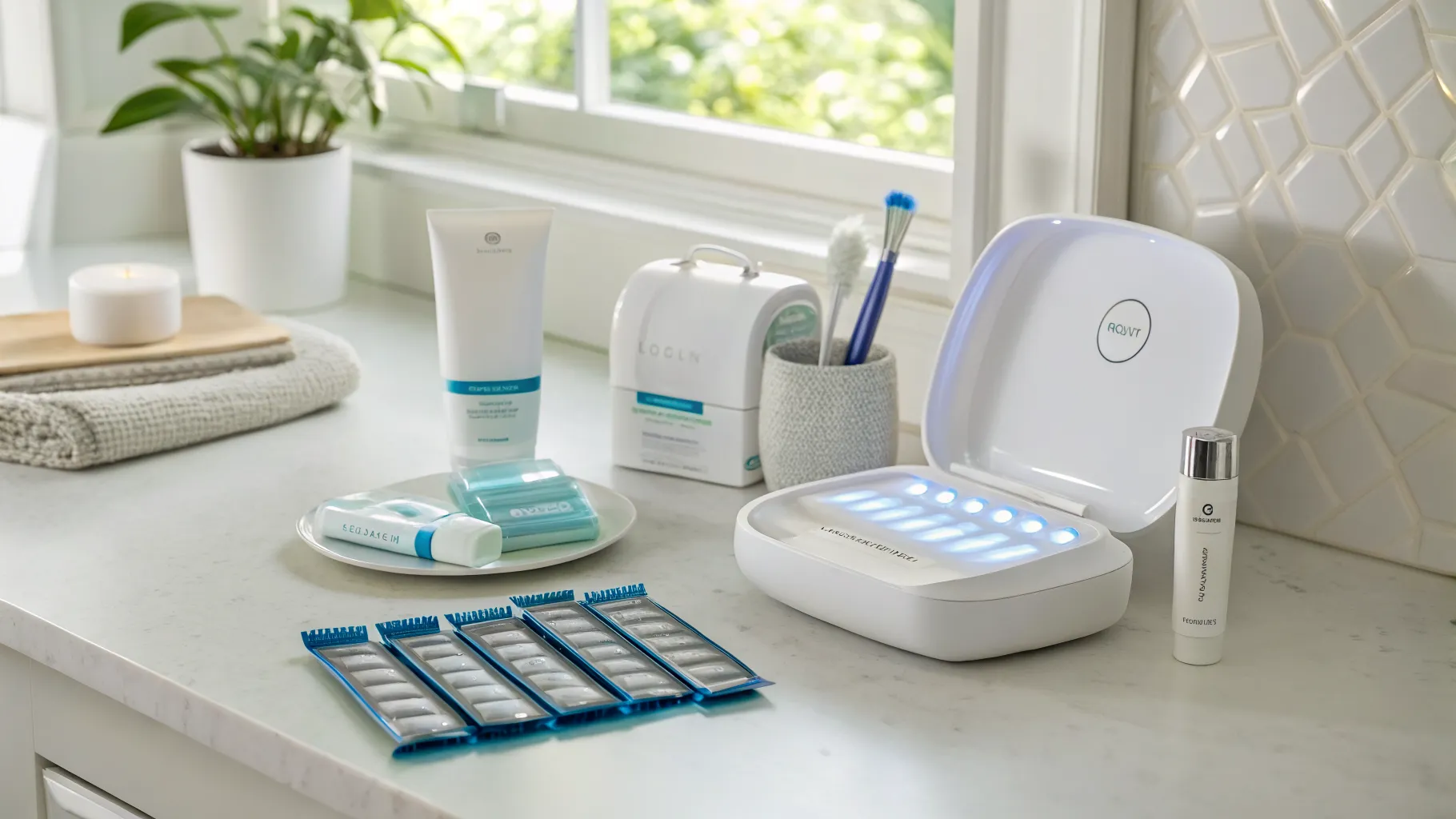
Whitening Strips
Whitening strips are one of the most popular over-the-counter whitening methods. They are thin, flexible plastic strips coated with a whitening gel that typically contains a low concentration of hydrogen peroxide or carbamide peroxide. The user applies a strip to the upper and lower teeth, leaving it on for a specified period, usually around 30 minutes daily, for a couple of weeks.
The peroxide gel on the strips works by penetrating the tooth enamel to break down stained molecules that cause discoloration. While effective for many, results can vary based on the initial shade of your teeth and the type of staining. It's important to look for products with a good fit to ensure even coverage and to follow the instructions carefully to minimize potential gum irritation or tooth sensitivity.
Specialized Whitening Toothpastes
Whitening toothpastes are a simple way to incorporate whitening into your daily routine. Unlike other methods, most whitening toothpastes do not change the intrinsic color of the teeth. Instead, they primarily work by removing surface stains using special abrasives or chemical agents that polish the teeth. Some newer formulas may also contain low concentrations of peroxide for a mild bleaching effect.
Because they mainly target extrinsic (surface) stains from things like coffee, tea, and tobacco, the results are typically more subtle and gradual than those from strips or gels. They are excellent for maintaining a bright smile and preventing new stains from forming after a more intensive whitening treatment. When choosing one, look for a brand with a seal of acceptance from a recognized dental association to ensure it's safe for your enamel.
LED Whitening Kits
At-home LED whitening kits have gained significant popularity, mimicking a technology used in some dental offices. These kits typically include a whitening gel that is applied to the teeth and a mouth tray equipped with a blue LED light. The user applies the gel, fits the tray into their mouth, and turns on the light for a set amount of time.
The theory is that the blue light acts as a catalyst, accelerating the chemical reaction of the peroxide in the whitening gel, potentially leading to faster and more dramatic results. While the effectiveness of at-home LED lights is still a topic of discussion among dental professionals, many users report positive outcomes. These kits often require a commitment of several sessions to see noticeable changes.
Whitening Gels and Trays
Whitening with gels and trays offers a more customized approach. This method involves filling a mouth tray with a peroxide-based whitening gel and wearing it for a certain period each day. The trays can be pre-made, 'boil-and-bite' for a better fit, or even custom-made by a dentist for optimal coverage and protection of the gums.
The key to this method is the tray's fit. A well-fitting tray ensures the whitening gel is in constant, even contact with the teeth and prevents it from leaking out onto the gums, which can cause irritation. The concentration of peroxide in these gels is often higher than in whitening strips, potentially leading to more significant results but also a higher chance of temporary tooth sensitivity.
Natural and DIY Whitening Options
For those who prefer a more natural approach, several DIY methods are commonly discussed. One popular option involves creating a paste from baking soda and a small amount of water or hydrogen peroxide. Baking soda is mildly abrasive and can help scrub away surface stains, but it should be used with caution to avoid damaging tooth enamel.
Another practice is oil pulling, an ancient technique involving swishing an oil like coconut oil in the mouth for 15 to 20 minutes. Proponents claim it can help remove bacteria and reduce surface stains, though scientific evidence supporting its whitening effects is limited. While often considered safe, these natural methods typically produce much less dramatic results than commercial peroxide-based products.
Important Factors to Consider Before Whitening
Before starting any at-home whitening treatment, it's wise to consider a few key points to ensure a safe and effective experience. Consulting with your dentist is always the best first step. They can confirm that your teeth and gums are healthy enough for whitening and advise you on the most suitable method for your needs.
Be mindful of potential side effects and how to manage them.
- Tooth Sensitivity: This is the most common side effect. Using a desensitizing toothpaste a week before and during treatment can help.
- Gum Irritation: This often occurs if the whitening agent comes into contact with the gums. Ensure trays fit well and wipe away any excess gel.
- Uneven Results: Whitening agents only work on natural tooth enamel. They will not lighten fillings, crowns, veneers, or bonding, which could lead to a mismatched smile.
- Realistic Expectations: At-home products can be very effective, but results depend on the type of staining and your natural tooth shade. Deep, intrinsic stains may not respond as well.