
A Guide to the Best Teeth Whitening Methods
A bright, white smile is often associated with health and confidence, leading many people to explore teeth whitening options. With a vast array of products and procedures available, it can be challenging to determine which approach is the most suitable. Understanding the different methods, their effectiveness, and potential considerations is the first step toward achieving your desired results safely.
Understanding Why Teeth Stain
Before choosing a whitening method, it is helpful to understand what causes tooth discoloration. Stains are generally categorized into two types: extrinsic and intrinsic. Extrinsic stains appear on the surface of the enamel, the outer layer of the tooth. These are typically caused by dark-colored foods and beverages like coffee, tea, red wine, and berries, as well as by smoking or tobacco use. These surface stains are generally the easiest to remove.
Intrinsic stains, on the other hand, occur within the inner structure of the tooth, called dentin, which has a naturally yellowish hue. These stains can result from excessive fluoride exposure during childhood, certain medications, trauma to a tooth, or simply the natural aging process as the enamel thins over time, revealing more of the dentin. Intrinsic stains are more challenging to treat and often require stronger, professionally administered whitening agents.
Over-the-Counter Whitening Options
For those seeking a convenient and affordable solution, over-the-counter (OTC) products are a popular starting point. These products are widely available in drugstores and supermarkets and typically contain lower concentrations of bleaching agents, such as carbamide peroxide or hydrogen peroxide, than professional treatments. While they can be effective for minor surface stains, results may be more gradual and less dramatic.
- Whitening Toothpastes: Most contain mild abrasives to polish away surface stains but do not change the natural color of the teeth. Some may have low levels of chemical whitening agents.
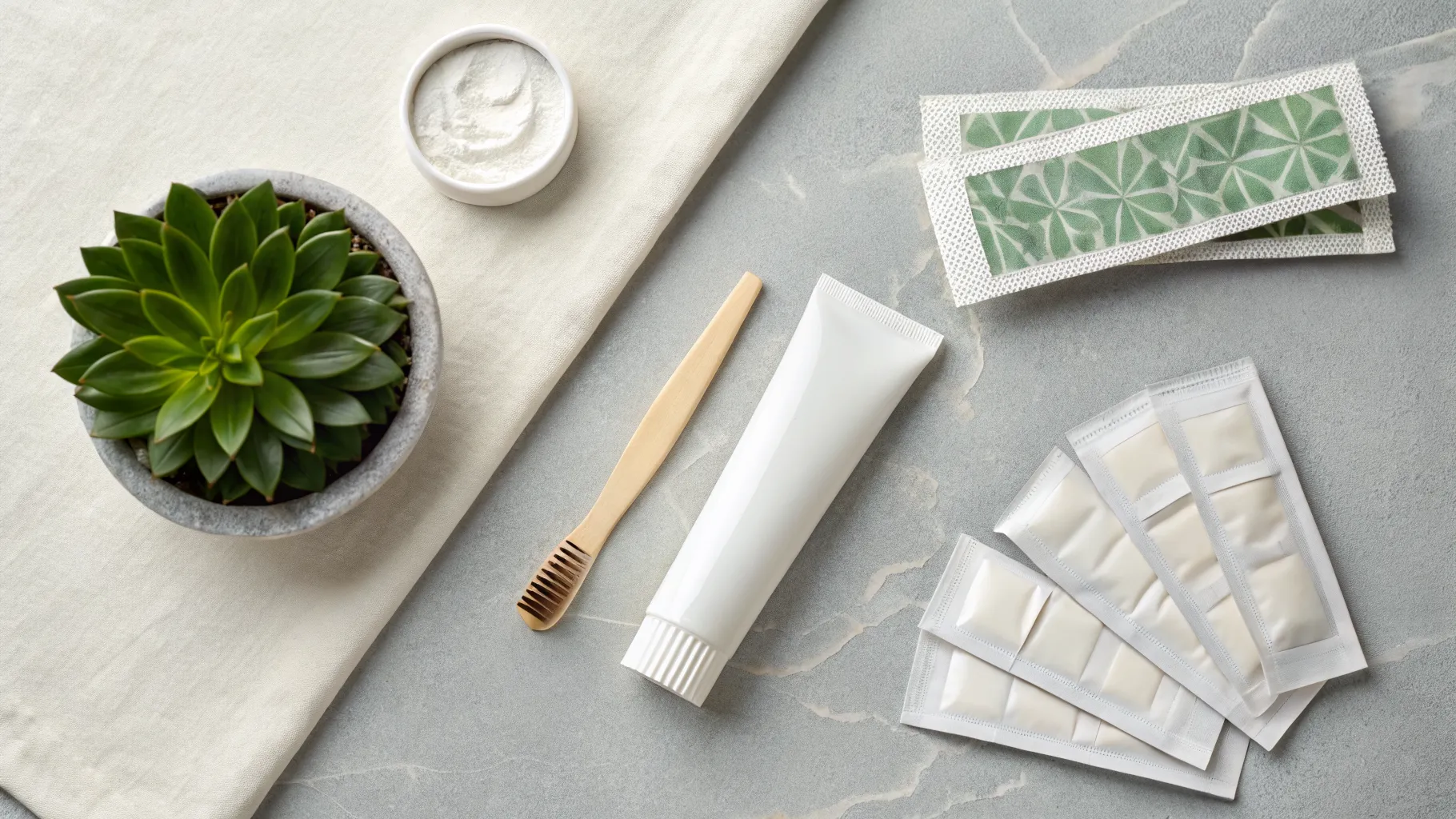
- Whitening Strips: These are thin, flexible plastic strips coated with a peroxide-based whitening gel. They are applied directly to the teeth for a set period each day over the course of one to two weeks.
- Whitening Gels and Pens: These peroxide-based gels are applied directly to the surface of the teeth with a small brush or pen. The application method requires care to avoid contact with the gums.
- Whitening Rinses: Similar to regular mouthwashes, these contain ingredients like hydrogen peroxide to help reduce plaque and remove minor surface stains. Their effect is often minimal as the rinse is only in contact with the teeth for a short time.
Professional In-Office Whitening
For faster and more significant results, professional in-office whitening performed by a dentist is a common choice. This procedure involves the application of a high-concentration peroxide gel directly to the teeth. The dentist will first protect your gums and other soft tissues with a barrier before carefully applying the whitening agent.
In some cases, a special light or laser may be used to activate the gel and accelerate the whitening process. The entire procedure typically takes about an hour, and you can often see a noticeable difference in a single visit. While this is one of the most effective methods, particularly for stubborn stains, it is also a more costly option and may cause temporary tooth sensitivity.
Dentist-Supplied At-Home Kits
A middle ground between OTC products and in-office treatments is a professional at-home kit provided by your dentist. This option offers the convenience of whitening at home with the effectiveness and safety of a professional-grade product. The key difference lies in the custom-fitted whitening trays.
Your dentist will take an impression of your teeth to create trays that fit your mouth perfectly. This custom fit ensures that the whitening gel is applied evenly to your teeth and minimizes contact with your gums, reducing the risk of irritation. The peroxide gel provided is stronger than what is found in OTC kits but less concentrated than what is used for in-office procedures. You typically wear the trays for a specified amount of time each day for one to two weeks.
Key Factors to Consider Before Whitening
Before starting any whitening treatment, it is highly recommended to consult with your dentist. A dental professional can assess your overall oral health, identify the cause of your discoloration, and recommend the most appropriate treatment for your specific needs. They will also check for issues that could be complicated by whitening, such as cavities or gum disease, which should be addressed first.
It is also important to have realistic expectations. Whitening treatments work on natural tooth enamel, but they will not change the color of dental restorations like fillings, crowns, veneers, or bridges. If you have visible dental work on your front teeth, whitening may result in an uneven color. Additionally, people with sensitive teeth or gums should discuss their options with a dentist, as some whitening agents can exacerbate sensitivity.
Maintaining Your Whitening Results
Regardless of the method you choose, teeth whitening is not a permanent solution. To maintain your brighter smile for as long as possible, it is important to practice good oral hygiene and be mindful of your diet. Brushing twice a day, flossing daily, and attending regular dental cleanings will help prevent new stains from forming.
Limiting your consumption of stain-causing foods and drinks is also crucial. This includes coffee, tea, red wine, dark sodas, and berries. If you do consume them, consider using a straw to minimize contact with your front teeth and rinse your mouth with water afterward. Avoiding tobacco products is another key step in keeping your teeth looking their best.