
A Guide to the Major Types of Sleep Disorders
Getting enough quality sleep is crucial for physical and mental health, but for millions of people, a good night's rest is consistently out of reach. Sleep disorders are a group of conditions that disrupt or prevent restful sleep. Understanding the different types is the first step toward recognizing potential issues and seeking appropriate guidance from healthcare professionals.
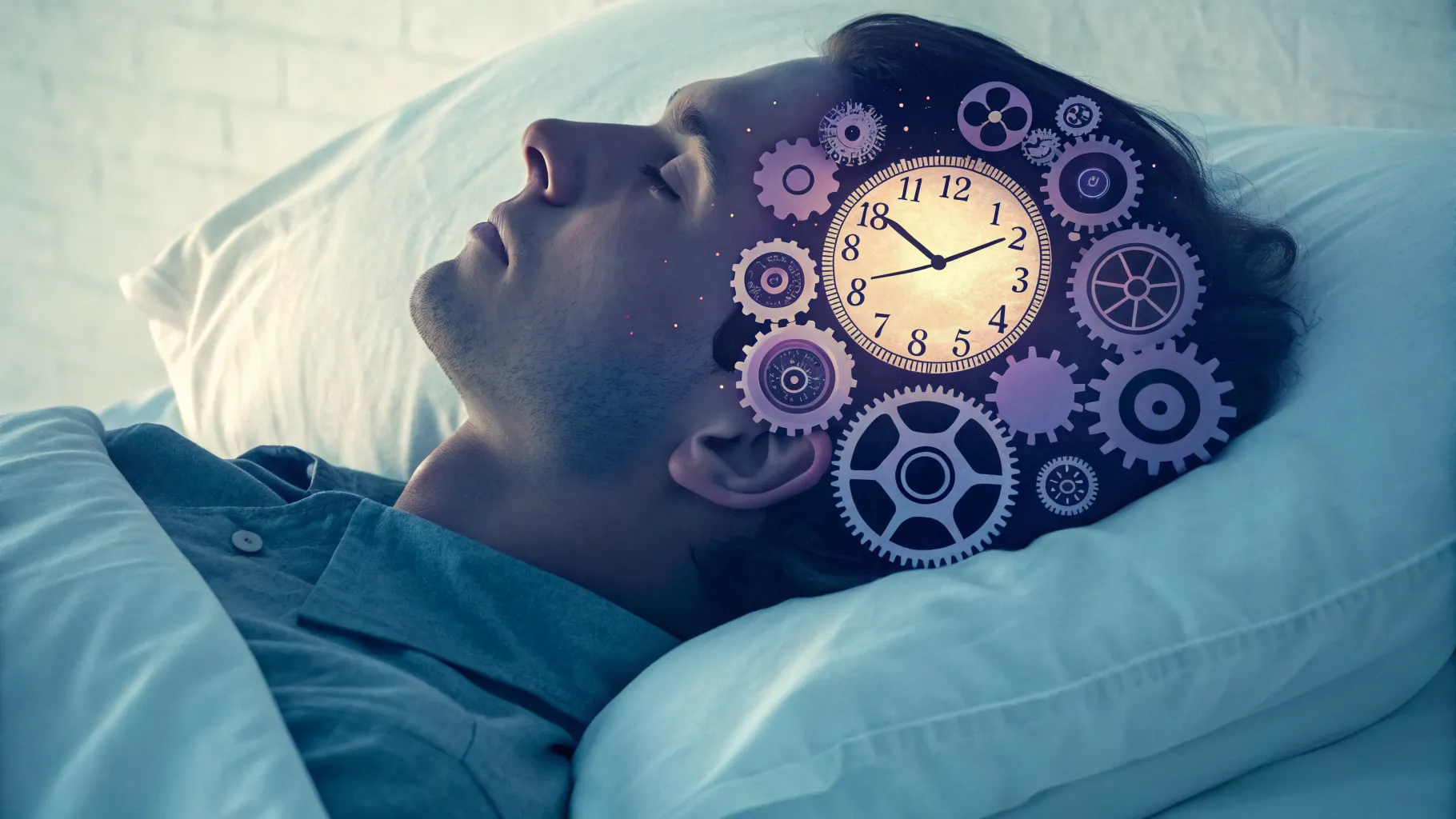
What Are Sleep Disorders?
A sleep disorder is a condition that frequently impacts your ability to get enough quality sleep. These conditions can affect the amount of sleep you get, the quality of your rest, and your overall daytime functioning. They can be caused by a wide range of factors, including underlying health problems, stress, lifestyle habits, and genetics. Left unaddressed, chronic sleep problems can contribute to serious health issues.
Medical professionals often group sleep disorders into several major categories based on their characteristics. These categories include disorders related to difficulty falling or staying asleep, problems with staying awake during the day, issues with the timing of sleep, and disruptive behaviors that occur during sleep. Each category contains specific conditions with unique symptoms and causes.
Insomnia: The Most Common Complaint
Insomnia is characterized by a persistent difficulty with falling asleep, staying asleep, or waking up too early and not being able to get back to sleep. It can be short-term (acute), lasting for days or weeks, often triggered by stress or a traumatic event. It can also be long-term (chronic), occurring at least three nights a week for three months or more.
Many factors can contribute to insomnia. These can range from poor sleep habits and an irregular sleep schedule to mental health conditions like anxiety and depression. Certain medications, medical conditions like chronic pain, and substances such as caffeine and alcohol can also disrupt sleep patterns and lead to insomnia.
Sleep Apnea and Breathing-Related Disorders
Sleep-related breathing disorders are characterized by abnormal breathing patterns during sleep. The most well-known of these is obstructive sleep apnea (OSA). In people with OSA, the muscles in the back of the throat relax too much, temporarily blocking the airway and causing breathing to repeatedly stop and start throughout the night.
The signs of sleep apnea are not always obvious to the person experiencing it. A sleeping partner is often the first to notice the symptoms. Common indicators include:
- Loud, persistent snoring
- Episodes of gasping, choking, or paused breathing during sleep
- Waking up with a dry mouth or sore throat
- Morning headaches
- Significant daytime sleepiness and fatigue
- Difficulty concentrating during the day
Narcolepsy and Hypersomnolence
Hypersomnolence refers to conditions characterized by excessive daytime sleepiness, even after getting what should be a full night's sleep. Narcolepsy is a chronic neurological condition that affects the brain's ability to control sleep-wake cycles. People with narcolepsy experience overwhelming daytime sleepiness and may suddenly fall asleep during normal activities.
Narcolepsy has several distinct symptoms, though not everyone will experience all of them. A primary symptom is excessive daytime sleepiness. Another is cataplexy, a sudden loss of muscle tone triggered by strong emotions like laughter or surprise. Other symptoms can include sleep paralysis, which is a temporary inability to move or speak while falling asleep or waking up, and vivid dreams known as hypnagogic hallucinations.
Circadian Rhythm Disorders
Circadian rhythm sleep-wake disorders occur when your internal body clock, which regulates your sleep-wake cycle over a 24-hour period, is not aligned with your environment. This misalignment can make it difficult to sleep at conventional times, wake up when you need to, and maintain alertness during the day.
There are several types of circadian rhythm disorders. Jet Lag Disorder occurs after fast travel across time zones. Shift Work Disorder affects people who work non-traditional hours, such as night shifts. Delayed Sleep-Wake Phase Disorder is a tendency to fall asleep and wake up much later than is considered normal, which is common in adolescents. Conversely, Advanced Sleep-Wake Phase Disorder involves falling asleep and waking up several hours earlier than desired.
Parasomnias: Unusual Sleep Behaviors
Parasomnias are a group of sleep disorders that involve unwanted or unusual events or experiences that happen while you are falling asleep, sleeping, or waking up. These behaviors can be complex and may seem purposeful to an observer, but the individual typically remains asleep and has no memory of the event afterward.
Parasomnias can occur during any stage of sleep. Some of the most common examples include sleepwalking (somnambulism), sleep talking (somniloquy), and night terrors, which are episodes of intense fear, screaming, and flailing while still asleep. Another type is REM Sleep Behavior Disorder, where a person physically acts out vivid, often unpleasant dreams. Nightmare Disorder involves having frequent, disturbing nightmares that disrupt sleep.