
A Guide to Understanding Partial Dentures
Partial dentures are a common and effective solution for individuals who have lost one or more teeth but still have healthy natural teeth remaining. They help restore the ability to chew properly, support facial structures, and improve the appearance of a smile. Navigating the options available can feel overwhelming, but understanding the basics can make the process much clearer.
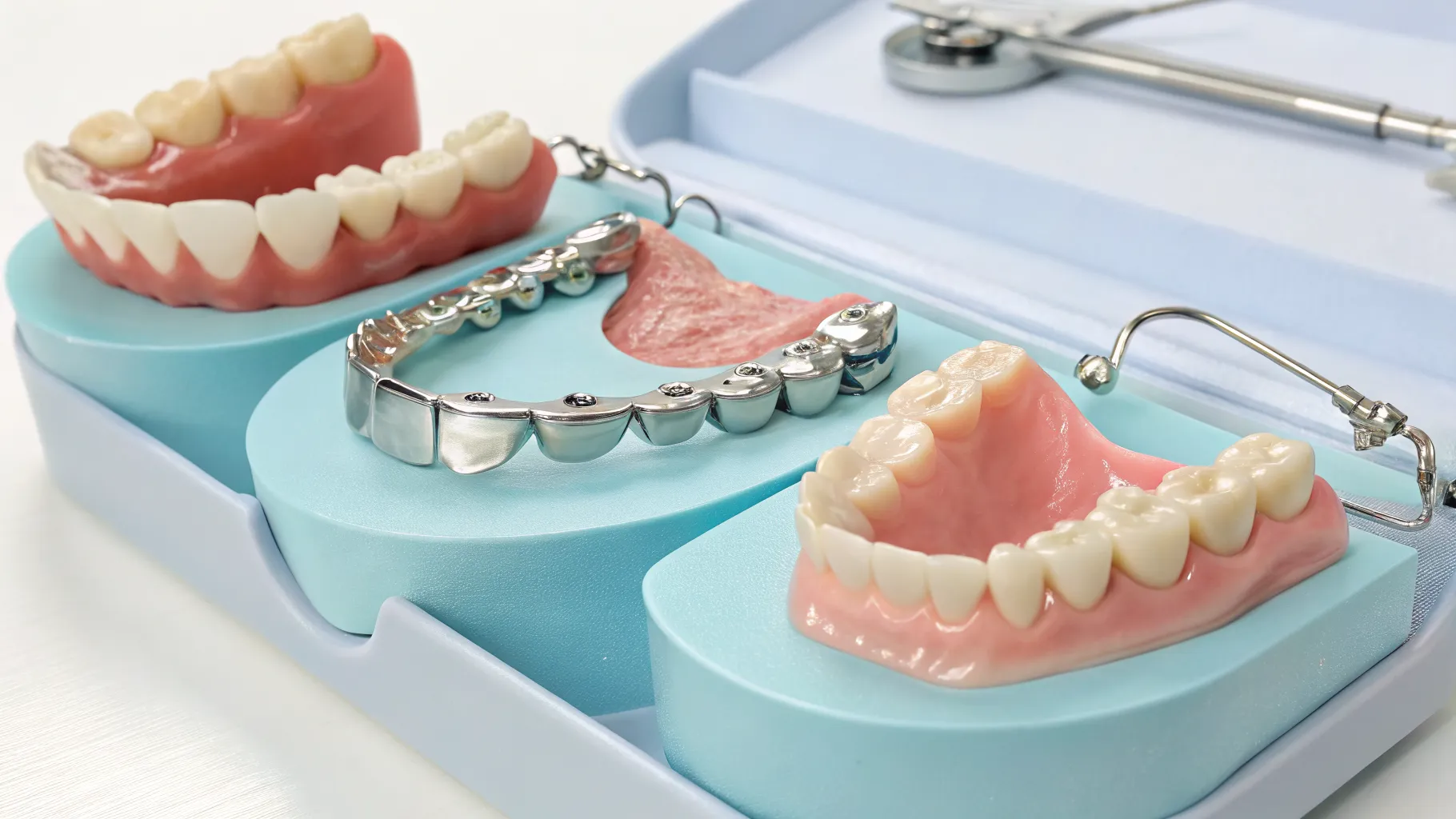
What Exactly Are Partial Dentures?
A removable partial denture consists of replacement teeth attached to a pink or gum-colored plastic base, which is sometimes connected by a metal framework that holds the denture in place in the mouth. Unlike complete dentures that replace an entire arch of teeth, partial dentures are designed to fill in the spaces created by missing teeth and prevent other teeth from changing position.
They are custom-made to fit your mouth and are held in place by clasps that grip onto your nearby natural teeth. This not only restores function and aesthetics but also plays a crucial role in maintaining the alignment of your remaining teeth and supporting the structure of your jaw and cheeks.
The Main Types of Partial Dentures
When you explore partial dentures, you will find they are primarily categorized by the materials used in their construction. Each type offers different benefits in terms of durability, comfort, and appearance. Consulting with a dental professional is the best way to determine which option is most suitable for your specific needs.
- Cast Metal Partial Dentures: These are a very common type, featuring a strong, rigid metal framework that supports the denture base and teeth. They are known for their durability, stability, and excellent fit. The metal clasps are designed to be discreet and anchor securely to natural teeth.
- Flexible Partial Dentures: Made from a special type of plastic, these dentures are lightweight and highly flexible. They do not require metal clasps, instead using thin, gum-colored extensions that fit into the natural contours of your mouth, making them comfortable and aesthetically pleasing.
- Acrylic Partial Dentures: Often referred to as 'flippers', these are typically made from a thicker acrylic base. They are often less expensive and can be a good temporary solution while waiting for a more permanent option, like a dental implant or a cast metal partial.
The Process of Getting Fitted for Partials
Obtaining a partial denture is a multi-step process that requires the expertise of a dental professional. It begins with a comprehensive oral examination, where the dentist assesses the health of your remaining teeth, gums, and jawbone. This initial consultation is crucial for creating a personalized treatment plan.
Following the exam, the dentist will take precise impressions of your mouth. These molds are sent to a dental laboratory where your custom denture is fabricated. You may need several appointments for try-ins and adjustments to ensure the denture fits perfectly in terms of comfort, bite, and appearance. The final fitting involves making any last-minute adjustments before you take your new appliance home.
Factors That Influence the Cost
The price of partial dentures can vary significantly based on several key factors. One of the primary drivers of cost is the material used. For example, a cast metal partial denture is generally more expensive than a basic acrylic flipper due to the complexity of its fabrication and the durability of the materials.
Other elements that affect the final price include the number of teeth being replaced, the complexity of your dental situation, and the geographic location of the dental practice. Laboratory fees, which are the costs charged by the technicians who create the denture, are also factored into the overall price. It's always a good idea to request a detailed cost breakdown before proceeding with treatment.
Where to Obtain Partial Dentures
The most common and recommended place to get partial dentures is from a licensed dentist or a prosthodontist, who is a specialist in restoring and replacing teeth. These professionals have the training and equipment necessary to take accurate impressions, design a well-fitting appliance, and make necessary adjustments to ensure your oral health is protected.
For those seeking potentially more affordable options, university dental schools can be a good resource. Here, dental students perform procedures under the close supervision of experienced, licensed dentists. While the process may take longer, the costs are often lower. Some community dental clinics may also offer services at a reduced rate.
Proper Care and Maintenance for Your Dentures
To ensure the longevity of your partial dentures and maintain good oral hygiene, proper care is essential. It is important to remove and rinse your partials after eating to wash away food particles. You should also clean your mouth after removing your dentures and brush the appliance daily with a soft-bristled brush and a non-abrasive denture cleaner.
When not in use, partial dentures should be kept in a soaking solution or in plain water to prevent them from drying out and warping. Always handle them with care over a soft towel or a basin of water to avoid damage if they are accidentally dropped. Regular dental check-ups are also vital to allow your dentist to examine the fit of your denture and the health of your natural teeth and gums.