
A Guide to Understanding Sciatica Treatment Options
Sciatica refers to pain that originates in the lower back and travels down the back of the leg, following the path of the sciatic nerve. It is a symptom of an underlying medical condition, such as a herniated disk, spinal stenosis, or bone spur on the spine that compresses part of the nerve. Understanding the available treatments can help individuals manage symptoms and improve their quality of life.
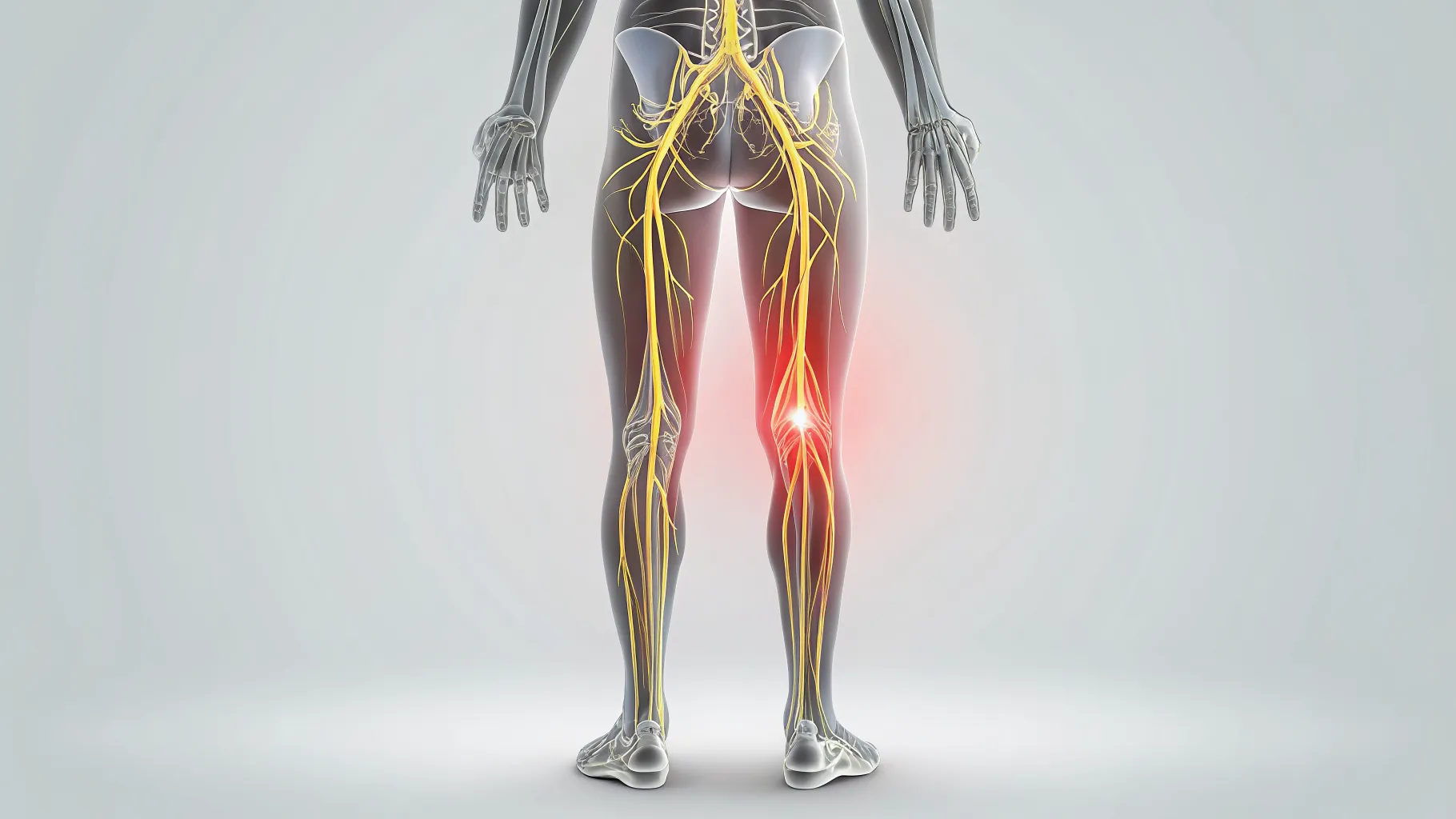
Identifying the Symptoms of Sciatica
The hallmark symptom of sciatica is pain that radiates from your lumbar (lower) spine to your buttock and down the back of your leg. The discomfort can vary widely, from a mild ache to a sharp, burning sensation or excruciating pain. Sometimes it can feel like a jolt or electric shock. It typically affects only one side of your body.
Other common symptoms that may accompany the pain include numbness, tingling, or muscle weakness in the affected leg or foot. In some cases, you might have pain in one part of your leg and numbness in another. It's crucial to seek medical attention if you experience severe symptoms or a sudden loss of feeling in your leg, or if you lose control of your bladder or bowels, as these can indicate a serious condition.
Initial At-Home and Self-Care Strategies
For many people, sciatica resolves over time with simple at-home care. The goal is to reduce inflammation and relieve pressure on the sciatic nerve. One of the first steps is often modifying your activity, which means avoiding movements that worsen the pain, but not complete bed rest, which can make things worse. Gentle movement is encouraged.
Applying cold packs can help reduce inflammation in the initial days of a flare-up. After a few days, switching to a heating pad can help relax tight muscles that may be contributing to the pain. Over-the-counter pain relievers, such as nonsteroidal anti-inflammatory drugs (NSAIDs) like ibuprofen or naproxen, can also be effective in managing the discomfort.
The Role of Physical Therapy
Physical therapy is a cornerstone of sciatica treatment. A physical therapist can design a personalized rehabilitation program to help you recover. The primary goals are to reduce pain, restore function, and prevent future recurrences. Your program will likely include a combination of exercises to strengthen your back muscles, improve your flexibility, and correct your posture.
Specific exercises you might learn include:
- Core strengthening exercises to support your spine.
- Stretches for the hamstrings and lower back to relieve nerve compression.
- Low-impact aerobic exercises like walking or swimming to promote general fitness without stressing your back.
A therapist can also teach you proper body mechanics to use during daily activities, reducing the strain on your back and minimizing the risk of re-injury.
Medical and Prescription-Based Treatments
If at-home care and physical therapy aren't providing enough relief, a doctor may recommend medical treatments. These can include prescription medications that are stronger than over-the-counter options. A doctor might prescribe muscle relaxants to ease muscle spasms or anti-inflammatory drugs to reduce swelling around the nerve.
In cases of severe pain, an epidural steroid injection might be an option. This procedure involves injecting a corticosteroid medication into the area around the affected nerve root. The steroid helps reduce inflammation directly at the source of the problem, providing short-term pain relief that allows a person to progress with their physical therapy program more comfortably.
Exploring Complementary Therapies
Some individuals find relief from sciatica symptoms by incorporating complementary or alternative therapies into their treatment plan. While their effectiveness can vary from person to person, many people report positive results. It's always a good idea to discuss these options with your doctor before starting them.
Chiropractic care is a common choice, where a chiropractor performs spinal adjustments to restore spinal movement and improve function, potentially relieving pressure on the sciatic nerve. Another option is acupuncture, an ancient Chinese medicine technique that involves inserting thin needles into specific points on the body. Massage therapy can also be beneficial for relieving muscle tension in the lower back and glutes, which may contribute to sciatic pain.
When to Consider Surgical Options
Surgery is typically considered a last resort for sciatica, reserved for cases where conservative treatments have failed to provide relief after several months. It may also be necessary if the compressed nerve is causing significant weakness, loss of bowel or bladder control, or progressively worsening pain. The goal of surgery is to remove the source of the pressure on the sciatic nerve.
The type of surgery depends on the underlying cause. A common procedure is a microdiscectomy, where a surgeon removes the portion of a herniated disk that is pressing on the nerve. Another procedure is a laminectomy, which involves removing a small portion of the bone (the lamina) that is compressing the nerve. A surgeon will determine the most appropriate procedure based on your specific condition and anatomy.