
A Guide to Understanding the Breast Lift Procedure
For many women, changes in breast shape and position can occur due to factors like pregnancy, nursing, weight fluctuations, aging, and gravity. A surgical procedure known as a breast lift, or mastopexy, is designed to address these changes. It's a topic of interest for those seeking to restore a more youthful and uplifted breast contour. Understanding the details of what this procedure entails is the first step for anyone considering it.
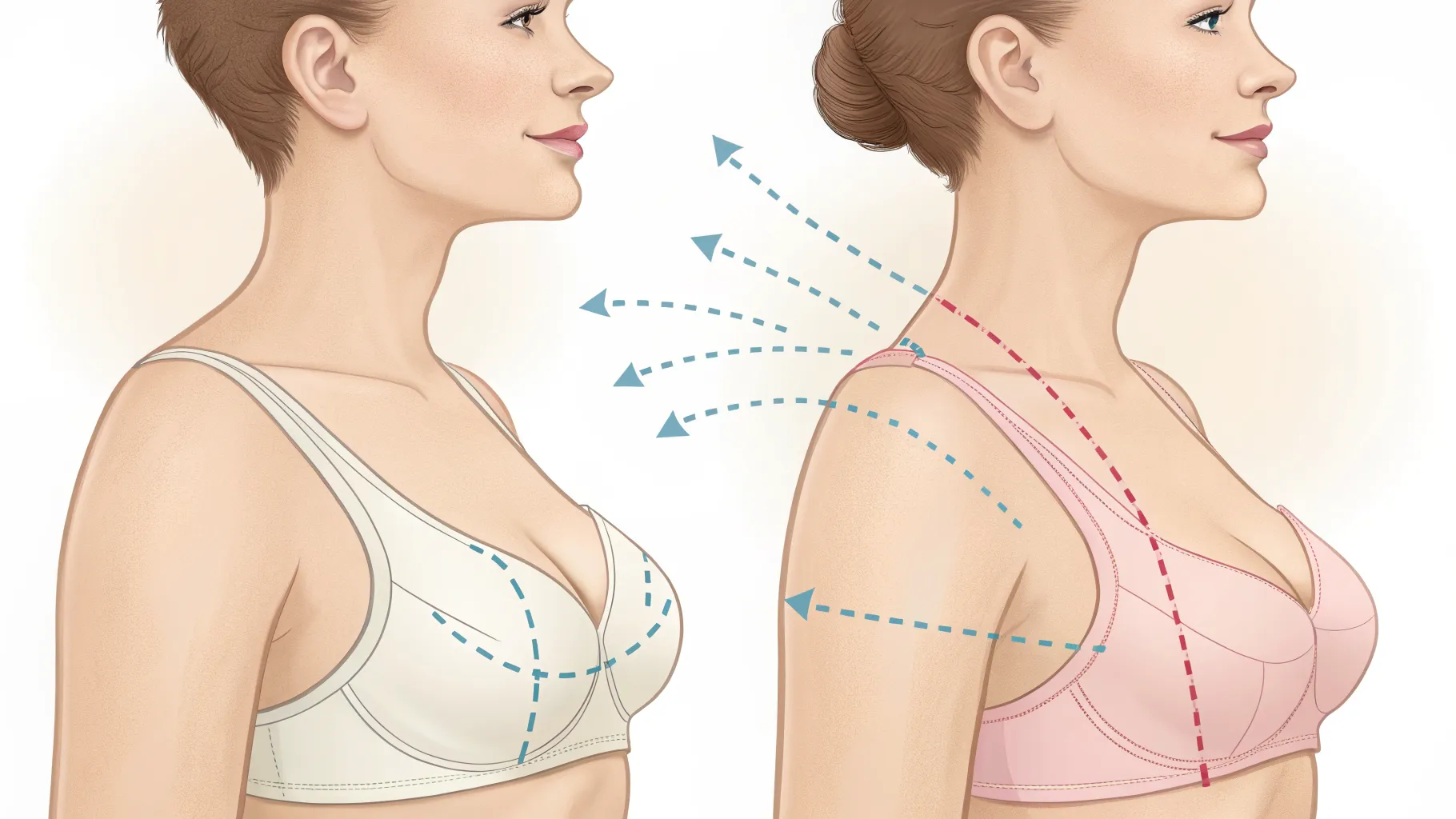
What is a Breast Lift?
A breast lift is a surgical procedure performed by a plastic surgeon to change the shape of the breasts. Unlike breast augmentation, which increases size, or breast reduction, which decreases size, a mastopexy focuses on raising and firming the breasts. During the procedure, excess skin is removed, and the surrounding tissue is tightened to reshape and support the new breast contour. The nipple and areola are often repositioned to a higher, more youthful location.
It is important to note that a breast lift on its own does not significantly change the size of your breasts or round out the upper part of the breast. For women who desire fuller breasts in addition to a lift, the procedure can be combined with breast augmentation using implants. Conversely, for women with large, sagging breasts, a lift is often an intrinsic component of a breast reduction procedure.
Who is a Good Candidate for this Procedure?
Ideal candidates for a breast lift are individuals who are bothered by the feeling that their breasts sag or have lost shape and volume. This can include women whose breasts have a flattened, elongated shape or whose nipples fall below the breast crease when unsupported. Candidates should be in good physical health, maintain a stable weight, and have realistic expectations about the outcome.
It's also generally recommended that women considering a breast lift be finished with childbearing. While the procedure does not typically affect the ability to breastfeed in the future, subsequent pregnancies can stretch the skin and compromise the results of the lift. Being a non-smoker is also highly beneficial, as smoking can impair healing and increase the risk of complications.
Understanding Different Breast Lift Techniques
The specific technique a surgeon uses for a breast lift depends on the patient's anatomy, the degree of sagging, and the desired outcome. The main difference between the techniques lies in the type and location of the incisions. A surgeon will recommend the best approach during a consultation.
Crescent Lift
This technique involves a small, crescent-shaped incision along the top edge of the areola. It is suitable for individuals with minimal sagging and results in a very discreet scar.
Peri-areolar Lift
Also known as a 'donut' lift, this involves an incision around the entire circumference of the areola. It is used to correct mild sagging and can also reduce the size of the areola.
Vertical Lift
Often called a 'lollipop' lift, this technique uses two incisions: one around the areola and another running vertically down from the areola to the breast crease. It is effective for correcting moderate sagging and provides more significant reshaping.
Inverted T or Anchor Lift
This is the most extensive technique, involving three incisions: one around the areola, one vertically down to the breast crease, and a third horizontally along the breast crease. It is used for women with significant sagging and a large amount of excess skin.
The Consultation and Preparation Process
The first step is a thorough consultation with a board-certified plastic surgeon. During this meeting, you will discuss your aesthetic goals, and the surgeon will evaluate your general health, examine your breasts, and take measurements. This is the time to ask questions and understand the potential outcomes, risks, and the specific surgical plan recommended for you.
Once you decide to proceed, you will be given instructions on how to prepare for surgery. This may include undergoing lab tests or a medical evaluation, stopping certain medications like aspirin or anti-inflammatory drugs that can increase bleeding, and avoiding smoking for a period before and after the procedure. You will also need to arrange for someone to drive you home after the surgery and to assist you for the first couple of days of recovery.
What to Expect During Recovery
Recovery from a breast lift varies from person to person, but there are general milestones. Immediately after the surgery, your breasts will be covered with gauze dressings and you may be wearing a supportive surgical bra. Some patients may have thin tubes placed at the incision sites to drain any excess blood or fluid. Swelling, bruising, and discomfort are normal and can be managed with prescribed medication.
Most individuals can return to a desk job and light activities within one to two weeks. However, strenuous activities, heavy lifting, and vigorous exercise should be avoided for at least four to six weeks. It is crucial to follow all of your surgeon's post-operative instructions, including wearing the support bra and caring for your incisions, to ensure a smooth recovery and optimal results. Scars will be present, but they typically fade and become less noticeable over time.
Potential Risks and Long-Term Results
Like any major surgery, a breast lift carries potential risks, such as infection, bleeding, poor wound healing, and adverse reactions to anesthesia. Specific risks include changes in nipple or breast sensation, which may be temporary or permanent, asymmetry in breast shape or size, and unsatisfactory scarring. Choosing a qualified, experienced surgeon and following their guidance carefully can help minimize these risks.
The results of a breast lift can be long-lasting. The procedure effectively turns back the clock, but it does not stop the aging process. Over time, gravity, weight fluctuations, and aging will continue to affect your breasts' shape and position. Maintaining a stable weight and a healthy lifestyle can help preserve your results for as long as possible. Many women find the procedure provides a significant boost in confidence and satisfaction with their appearance for years to come.