
A Guide to Your Teeth Straightening Options
Achieving a straighter smile is a goal for many people, not just for aesthetic reasons but also for improved oral health. Misaligned teeth can contribute to issues like difficulty cleaning, uneven wear, and jaw discomfort. Fortunately, modern orthodontics offers a variety of effective treatments to suit different needs, lifestyles, and budgets.
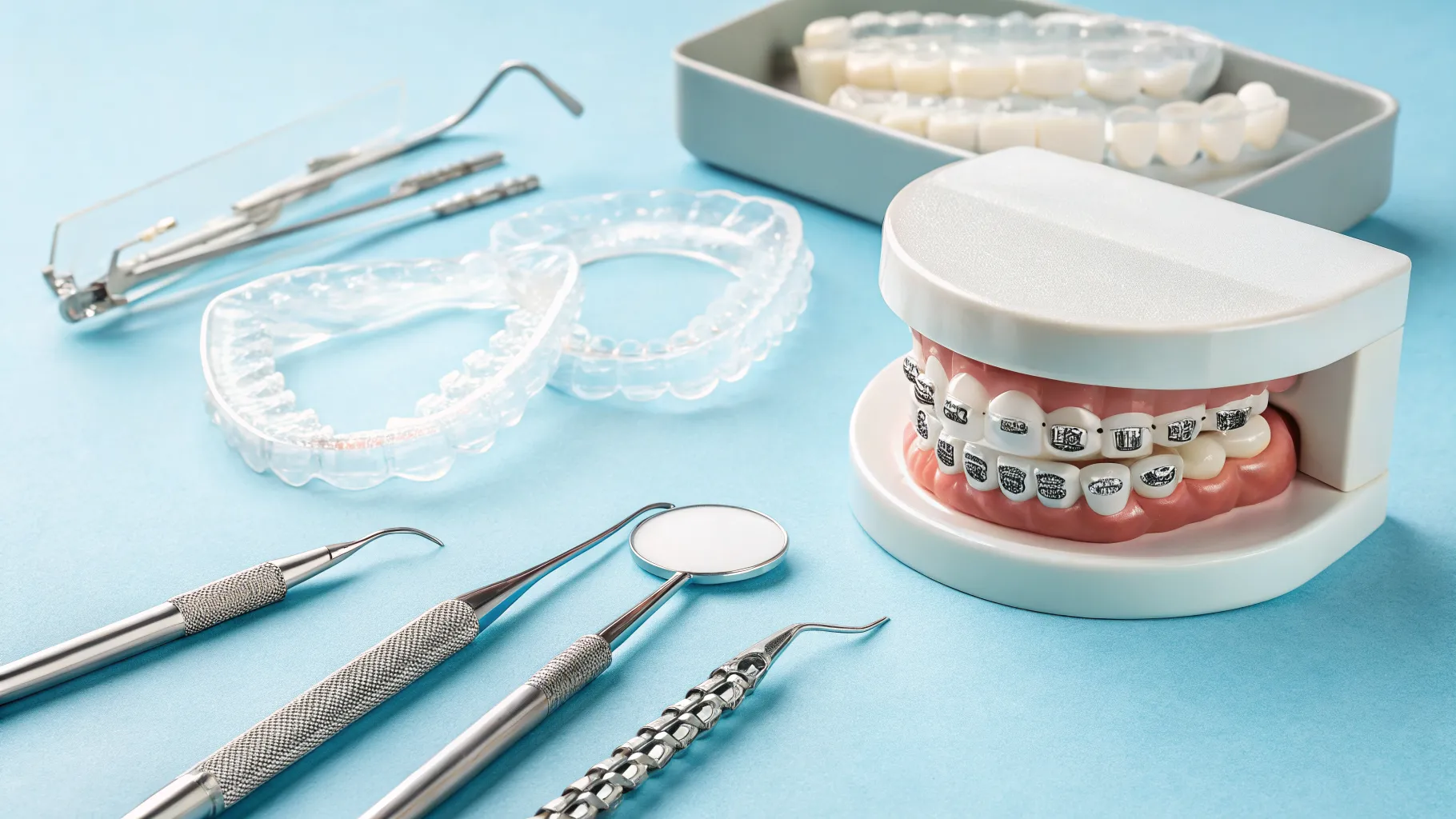
Traditional Metal Braces
The most recognizable form of orthodontic treatment is traditional metal braces. This system uses stainless steel brackets that are bonded to the front of each tooth and connected by a thin archwire. The orthodontist periodically adjusts the wire, which gradually applies pressure to guide the teeth into their correct positions.
Metal braces are highly effective for correcting a wide range of complex dental issues, including severe crowding, spacing, and bite problems. They are often the most durable and cost-effective option available. However, their prominent appearance is a primary drawback for some individuals, and they require diligent cleaning to prevent plaque buildup around the brackets and wires.
Ceramic Braces
For those seeking a less noticeable alternative to metal, ceramic braces offer a compelling solution. They function in the same way as traditional braces, using brackets and wires to move teeth. The key difference is that the brackets are made from a clear or tooth-colored ceramic material, allowing them to blend in with the natural shade of the teeth.
While they are more discreet, ceramic braces can be slightly more expensive and less durable than their metal counterparts. The ceramic material is more brittle and can be prone to chipping. Additionally, the clear elastic ties used to hold the archwire can sometimes become stained from foods and drinks like coffee or red wine, though they are changed at each adjustment appointment.
Clear Aligners
Clear aligners have become an increasingly popular choice, especially among adults. This system involves a series of custom-made, transparent plastic trays that fit snugly over the teeth. Each tray is worn for about one to two weeks before progressing to the next in the series, with each new tray shifting the teeth incrementally closer to the desired position.
The main advantages of clear aligners are their near-invisibility and removability. Patients can take them out to eat, drink, brush, and floss, which makes maintaining oral hygiene easier than with fixed braces. However, this treatment requires a high degree of patient compliance, as the aligners must be worn for 20 to 22 hours per day to be effective. They are typically best suited for mild to moderate alignment issues.
Lingual Braces
Lingual braces are another highly discreet option. They are custom-made and function just like traditional braces, but with one major difference: the brackets and wires are placed on the inside (lingual side) of the teeth. This makes them virtually invisible from the outside, offering a completely hidden way to straighten a smile.
Despite their aesthetic advantage, lingual braces come with their own set of challenges. They can be more difficult to clean, may cause initial irritation to the tongue, and can temporarily affect speech. The customization process also makes them one of the more expensive orthodontic options, and not all orthodontists offer this specialized treatment.
Key Factors in Your Decision
Choosing the right teeth straightening option depends on several personal factors. It's important to have a thorough discussion with an orthodontist to determine the best course of action for your specific situation. Key considerations often include:
- Complexity of Your Case: Severe bite issues or significant crowding may require the force and control of traditional braces.
- Lifestyle: Your daily activities, profession, and commitment to oral hygiene can influence which option is most suitable. Removable aligners, for instance, demand discipline.
- Aesthetics: How you feel about the visibility of your orthodontic appliance is a major factor for many patients.
- Cost: Prices vary significantly between treatments, and insurance coverage can also differ. It's wise to understand the full financial commitment upfront.
The Initial Orthodontic Consultation
Your journey toward a straighter smile will begin with an initial consultation with a dentist or orthodontist. This first appointment is crucial for gathering information and developing a personalized treatment plan. During the visit, you can expect the professional to conduct a comprehensive examination of your teeth, jaw, and bite.
The process typically involves taking photographs of your face and smile, as well as X-rays to see the position of your teeth and roots. Some offices may also use a 3D intraoral scanner to create a digital model of your mouth. Based on these diagnostics, the orthodontist will discuss their findings, recommend suitable treatment options, and provide an estimate of the treatment duration and cost.