
A Parent's Guide to the Online Bipolar Disorder Test for Kids
Fast Facts:
- Initial Screening: Online tests offer a preliminary look at potential mood disorder symptoms.
- Parents are increasingly using digital tools for initial mental health queries before seeking a professional diagnosis.
Navigating Your Child's Moods: Could an Online Test Help?
Understanding a child's emotional world can be challenging. Distinguishing between typical developmental moodiness and potential signs of a more serious condition is a common concern for many parents. While not a substitute for professional medical advice, an online bipolar disorder test for kids can serve as a structured starting point. These confidential questionnaires are designed to help parents organize their observations and identify patterns of behavior that may warrant a discussion with a healthcare provider, offering a first step toward clarity and support.
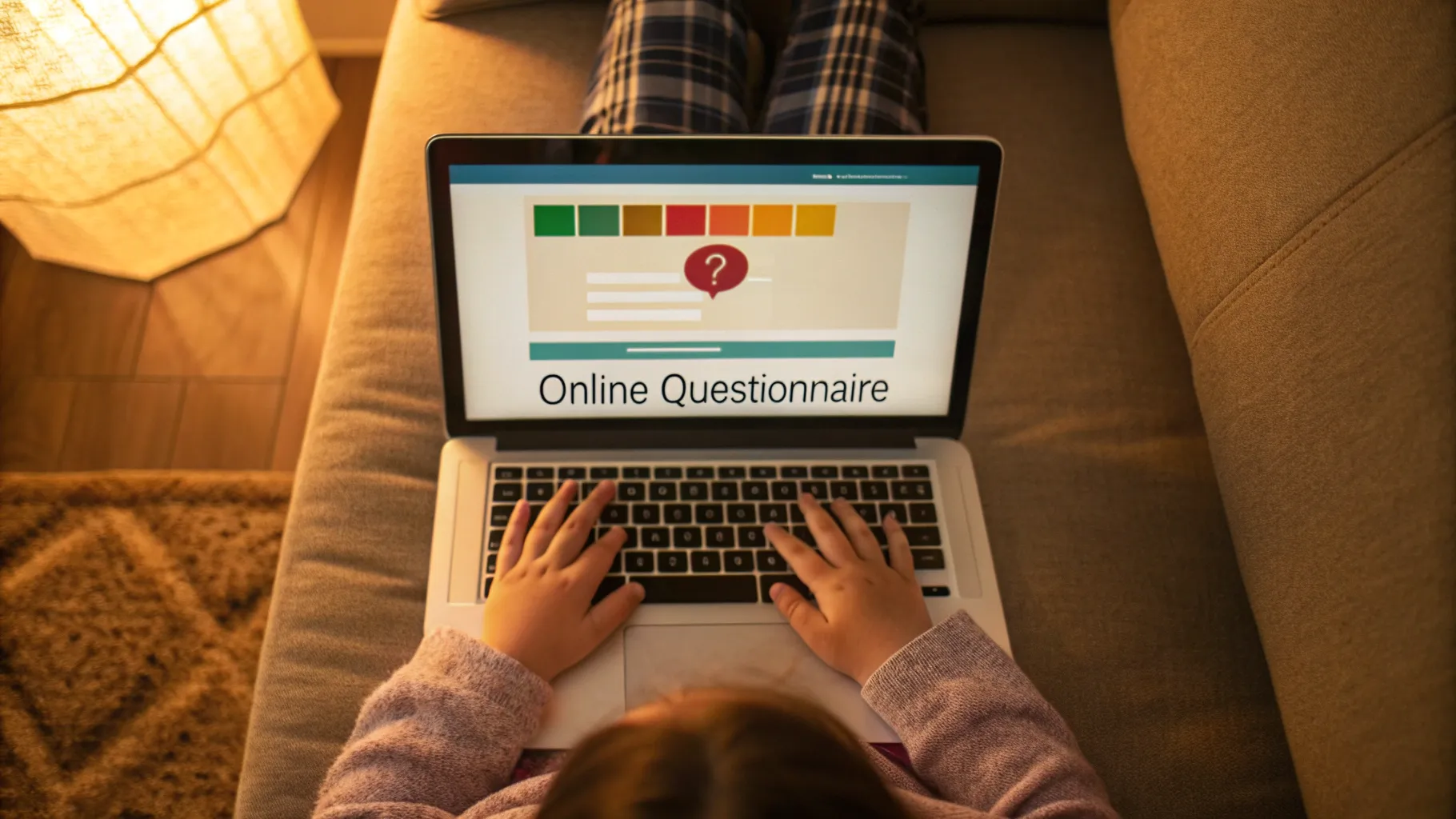
Recognizing Potential Symptoms vs. Typical Behavior
Bipolar disorder in children doesn't always look like it does in adults. Instead of distinct euphoric highs, you might see extreme irritability, explosive tempers, and rapid mood shifts that seem disproportionate to the situation. It's crucial to differentiate these from normal childhood energy or defiance. An online screening tool can guide you through specific questions about the duration, frequency, and intensity of these behaviors, helping to paint a clearer picture than observation alone might provide.
How to Sensitively Approach an Online Assessment
If you decide to use an online screening tool, your approach is key. It's important to create a supportive and non-judgmental environment for your child. Here are some steps to take:
- Choose the Right Time: Find a calm, private moment when neither of you is stressed or rushed.
- Explain Simply: Frame it as a way to better understand their feelings, not as a test they can pass or fail. Use language like, "This can help me understand how to help you when you're feeling upset."
- Complete it Together: Work through the questions collaboratively, valuing their input and perspective on their own experiences.
- Reassure Them: Emphasize that this is just one tool to help, and that they are loved and supported no matter what the results indicate.
Beyond the Screen: Interpreting and Acting on the Results
The most critical step happens after you've completed the assessment. The results from an online bipolar disorder test for kids are not a diagnosis. They are an indicator, a piece of information to be discussed with a qualified professional. Whether the results are high-risk or low-risk, if you have ongoing concerns, the next step is to schedule an appointment with a pediatrician, child psychologist, or psychiatrist. A professional can conduct a comprehensive evaluation, which includes clinical interviews, and rule out other conditions to provide an accurate diagnosis and a tailored treatment plan if needed.
Frequently Asked Questions
Are online bipolar tests for kids accurate?
These tests are screening tools designed to identify potential warning signs, not to provide a diagnosis. Their accuracy can vary, and they should only be used as a preliminary step to guide a conversation with a healthcare professional who can perform a proper clinical evaluation.
What is the typical age for a bipolar disorder diagnosis in children?
While symptoms can emerge during childhood, diagnosing bipolar disorder is complex and often occurs in late adolescence or early adulthood. However, any persistent and severe mood or behavior concerns in a child of any age should be evaluated by a professional.
What should I do if the test results are concerning?
If the results from an online test suggest a potential issue, do not panic. Use the information to start a conversation with your child's doctor or a mental health specialist. The results can provide a helpful summary of your concerns during the appointment.
References
- National Institute of Mental Health (NIMH) - Child and Adolescent Mental Health.
- American Academy of Child and Adolescent Psychiatry (AACAP) - Bipolar Disorder in Children and Teens.
- Child Mind Institute - Information on mood disorders in youth.