
Comprehensive Guide to Acid Reflux Treatment: Understanding Reflux Treatment Options
Fast Facts:
- Acid reflux affects millions globally.
- Increasing trend in acid reflux cases for adult populations.
Understanding the Core Principles of Effective Acid Reflux Treatment
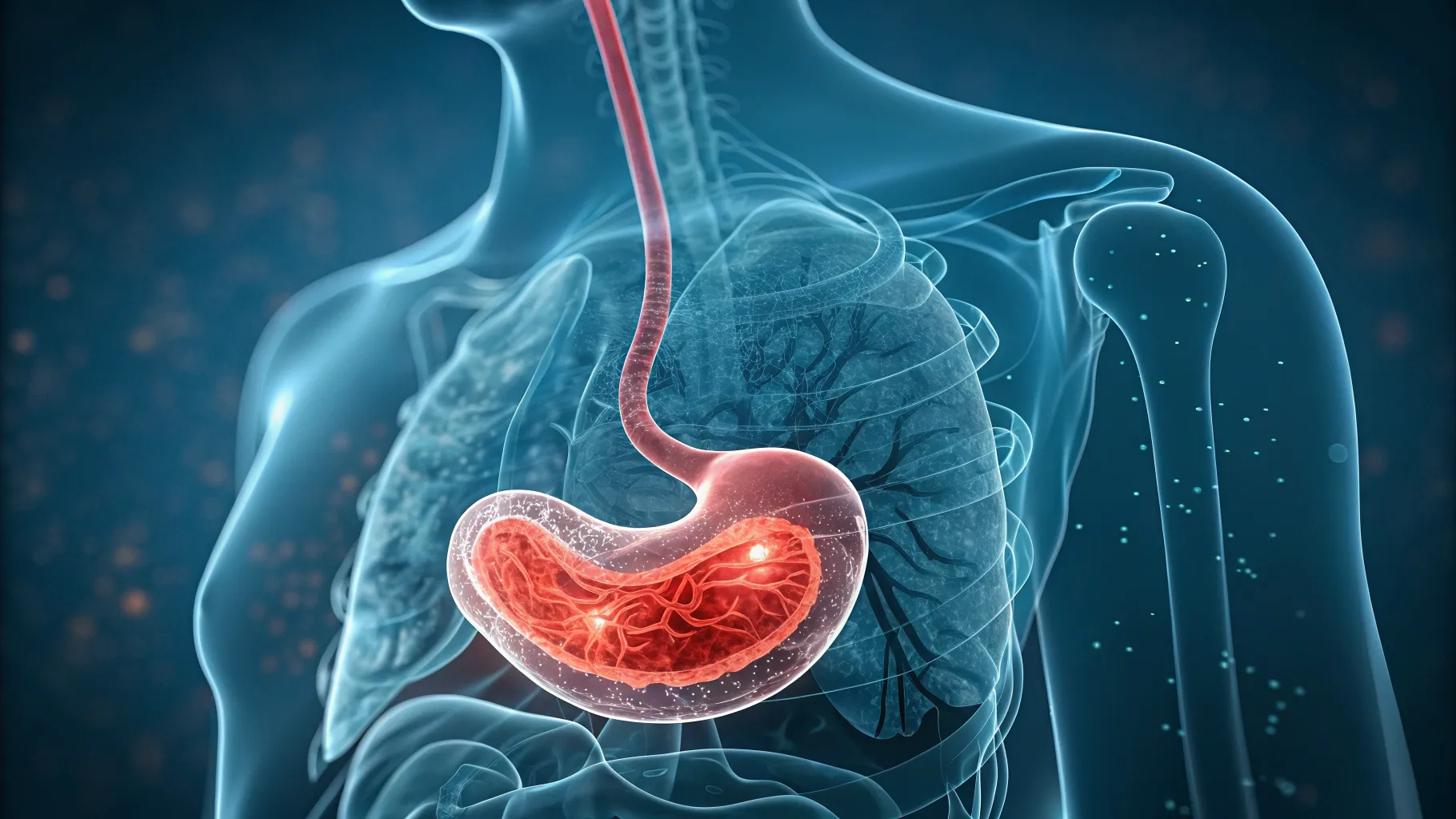
Navigating the world of acid reflux treatment can feel overwhelming, especially when persistent symptoms like heartburn and regurgitation disrupt daily life. This comprehensive guide delves into the various strategies, from lifestyle adjustments to advanced acid reflux medication, designed to provide lasting relief. Understanding the underlying causes of acid reflux and gastroesophageal reflux disease (GERD) is the first step towards identifying the most suitable reflux treatment options tailored to individual needs.
Lifestyle Modifications: The First Line of Defense in Acid Reflux Treatment
Often, the journey to effective acid reflux treatment begins with significant lifestyle adjustments. These changes can dramatically reduce the frequency and severity of symptoms, sometimes eliminating the need for extensive acid reflux medication. Key modifications include dietary changes, such as avoiding trigger foods like spicy dishes, fatty meals, chocolate, caffeine, and acidic fruits. Weight management is another crucial factor, as excess abdominal pressure can push stomach acid upwards. Elevating the head of your bed by six to eight inches can prevent nocturnal reflux, while eating smaller, more frequent meals and avoiding food close to bedtime (at least 2-3 hours before lying down) are also vital strategies. These seemingly simple steps are fundamental components of any successful reflux treatment options plan.
Over-the-Counter and Prescription Acid Reflux Medication
When lifestyle changes alone aren't sufficient, various pharmaceutical interventions become a critical part of acid reflux treatment. These range from readily available over-the-counter (OTC) options to powerful prescription-strength drugs, each targeting different aspects of acid production and neutralization. Selecting the right acid reflux medication often depends on the severity and frequency of symptoms, as well as the individual's overall health profile.
Antacids and H2 Blockers: Immediate and Short-Term Relief
Antacids provide quick, temporary relief by neutralizing stomach acid. They are useful for occasional heartburn but do not prevent reflux. Common examples include Tums and Maalox. H2-receptor blockers, such as famotidine (Pepcid AC) and cimetidine (Tagamet HB), reduce acid production for a longer duration than antacids, typically for 6-12 hours. They are available in both OTC and prescription strengths and represent an important part of the initial reflux treatment options for many individuals.
Proton Pump Inhibitors (PPIs): The Cornerstone of GERD Treatment
For individuals with more persistent or severe GERD, proton pump inhibitors are often the most effective form of acid reflux treatment. Medications like omeprazole (Prilosec), esomeprazole (Nexium), lansoprazole (Prevacid), and pantoprazole (Protonix) work by blocking the enzyme system in the stomach lining that produces acid. This leads to a significant and sustained reduction in stomach acid, allowing the esophagus to heal. Proton pump inhibitors are typically taken once daily before a meal and are highly effective in controlling symptoms and preventing complications. However, their long-term use requires careful consideration and medical supervision, as they can have potential side effects and interactions. They are widely considered among the best GERD treatments available today.
Advanced Reflux Treatment Options and Surgical Interventions
For a small subset of individuals whose symptoms persist despite maximal medical therapy or who wish to avoid long-term acid reflux medication, advanced reflux treatment options, including surgical procedures, may be considered. These interventions aim to reinforce the lower esophageal sphincter (LES) – the valve between the esophagus and stomach – to prevent acid from refluxing.
Fundoplication and LINX Reflux Management System
Nissen fundoplication is the traditional surgical approach, involving wrapping the upper part of the stomach (fundus) around the lower esophagus to create a new, stronger valve. This procedure is highly effective but can have side effects like difficulty swallowing or gas-bloat syndrome. A newer, less invasive option is the LINX Reflux Management System, which involves implanting a small, flexible ring of magnetic beads around the esophagus. These magnets help keep the LES closed when not swallowing, but allow food and liquids to pass normally. Both options are considered when discussing the best GERD treatments for severe, refractory cases.
Exploring Natural Acid Reflux Remedies and Complementary Approaches
Many people seek out natural acid reflux remedies as alternatives or complements to conventional acid reflux treatment. While scientific evidence for some of these remedies is limited, anecdotal reports and some preliminary studies suggest potential benefits for mild to moderate symptoms. Popular approaches include consuming apple cider vinegar (though this can irritate some individuals), ginger tea for its anti-inflammatory properties, and aloe vera juice for its soothing effects on the digestive tract. Baking soda mixed with water can also provide temporary relief by neutralizing acid. Maintaining an upright posture after meals and practicing stress-reducing techniques like yoga or meditation can also contribute to symptom management. It is crucial to discuss any natural acid reflux remedies with a healthcare professional to ensure they are safe and appropriate, especially if you are also taking acid reflux medication or considering other reflux treatment options.
Personalized Strategies for the Best GERD Treatments
Developing the most effective plan for acid reflux treatment requires a personalized approach, often involving a combination of lifestyle changes, medication, and, in some cases, advanced procedures. The ultimate goal is to alleviate symptoms, heal esophageal damage, and improve overall quality of life. Consulting with a gastroenterologist is essential to accurately diagnose the condition, rule out other serious issues, and tailor the optimal regimen for your specific needs, considering the full spectrum of reflux treatment options available.
- Identify Trigger Foods: Keep a food diary to pinpoint specific foods that worsen your acid reflux symptoms and integrate this knowledge into your overall acid reflux treatment strategy.
- Maintain a Healthy Weight: Excess weight is a significant contributor to GERD. Achieving and maintaining a healthy body mass index can dramatically improve symptoms and reduce the need for consistent acid reflux medication.
- Adjust Eating Habits: Eat smaller, more frequent meals and avoid eating within three hours of bedtime to prevent nocturnal reflux, which is a key component of effective reflux treatment options.
- Review Medications: Discuss all your current medications with your doctor, as some drugs can exacerbate acid reflux. Your doctor may suggest alternatives or adjustments as part of your comprehensive best GERD treatments plan.
- Stress Management: Implement stress-reduction techniques such as mindfulness, deep breathing, or light exercise, as stress can often worsen reflux symptoms, impacting the effectiveness of your acid reflux remedies.
Frequently Asked Questions
What are the main types of acid reflux treatment?
The main types of acid reflux treatment include lifestyle modifications (diet, weight management), over-the-counter medications (antacids, H2 blockers), prescription medications (proton pump inhibitors), and, in severe cases, surgical interventions (fundoplication, LINX system). Each option targets different aspects of acid reflux to provide relief and healing.
How do proton pump inhibitors work for acid reflux?
Proton pump inhibitors (PPIs) work by irreversibly blocking the proton pumps in the stomach lining, which are responsible for the final step of acid production. By doing so, they significantly reduce the amount of acid secreted into the stomach, allowing the esophagus to heal from acid damage and relieving symptoms of acid reflux and GERD, making them one of the most effective acid reflux medication options.
Are natural acid reflux remedies effective?
Some natural acid reflux remedies, such as ginger tea, aloe vera juice, or specific dietary changes, can provide relief for mild to moderate symptoms for some individuals. However, their scientific evidence is often limited compared to conventional medical treatments. It's crucial to consult a healthcare provider before relying solely on natural remedies, especially if you have severe or persistent symptoms, or are already undergoing other reflux treatment options.
When should I consider surgical reflux treatment options?
Surgical reflux treatment options, such as fundoplication or the LINX system, are typically considered when severe GERD symptoms persist despite maximal medical therapy with acid reflux medication, or when patients experience complications like esophageal strictures or severe damage. They are also an option for individuals who prefer to avoid long-term medication use. A thorough evaluation by a specialist is necessary to determine if surgery is among the best GERD treatments for your particular situation.
References
- American College of Gastroenterology
- National Institute of Diabetes and Digestive and Kidney Diseases (NIDDK)
- Mayo Clinic
- Gastroenterology medical journals