
Zumba classes 2026: A comprehensive look at the landscape of dance-fitness programming
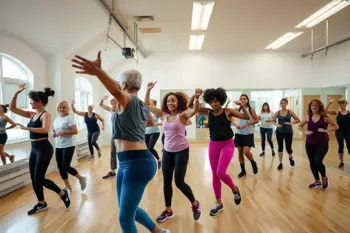
The landscape of Zumba classes 2026 reflects a diverse integration of community-led dance fitness programs across various municipal recreation facilities, public parks, and wellness centers 12. As a standardized fitness modality that incorporates Latin and international rhythms into interval-style aerobic training, Zumba remains a prominent feature in both private gym circuits and public health initiatives 310. Participants in 2026 can expect a wide range of session types, from high-intensity interval training to modified routines designed for active older adults 49.
Program Structures and Activity Variations
Zumba programming is inherently adaptable, allowing instructors to tailor intensity levels to the needs of different demographics. In 2026, programs frequently categorize their offerings by intensity, such as standard high-energy sessions that focus on cardiovascular endurance, muscle conditioning, and balance 17. Specialized variants have also become prevalent, including low-impact series intended for older populations that emphasize range of motion and coordination over high-velocity movement 46. Many programs utilize a cyclical series format, often organized into monthly blocks, which allows for consistent skill progression among regular attendees 6.
Municipal and Community-Based Venues
Publicly managed recreation centers remain the primary hubs for accessible dance-fitness programming. Many 2026 schedules highlight the role of county and city-run facilities, such as Howard County Recreation and Parks and the NYC Parks department, in providing routine group exercise opportunities 123. These municipal programs often emphasize inclusivity, welcoming a broad range of ages and fitness levels. Accessing these classes often requires interaction with local government booking systems or, in some cases, direct venue registration for specific course codes or drop-in sessions 29.
Logistical Requirements and Participant Preparation
For individuals planning to engage with Zumba in 2026, understanding venue-specific protocols is a critical aspect of participation. Most instructors and centers mandate specific safety standards, such as the use of indoor-supportive sneakers and the prohibition of open-toed footwear to prevent injury 69. Furthermore, hydration is consistently emphasized as an essential requirement across all session types, regardless of the intensity level 17. Because many public sessions are held in multi-purpose community spaces, participants are frequently advised to arrive ahead of scheduled start times to complete necessary check-in or registration procedures 58.
Registration and Access Modalities
The method of gaining access to Zumba sessions varies significantly between private studios, corporate wellness programs, and public recreation venues. Some facilities utilize structured registration periods, while others operate on a drop-in basis where participants pay a fee per session or hold a facility membership 69. Corporate wellness initiatives, such as those within healthcare systems, may restrict access to employees while utilizing a credit-based reward system to encourage ongoing participation in fitness activities 7. It is essential for participants to verify whether a class requires advance reservation, as space constraints in community centers may limit total capacity 68.
Geographic and Seasonal Trends
Fitness programming in 2026 demonstrates clear seasonal patterns, with outdoor master classes becoming a common feature during summer months in coastal and urban park settings 5. These outdoor events often prioritize community engagement, providing free, open-access sessions that leverage public spaces to foster social connection 5. Conversely, fall and winter schedules often pivot to indoor recreation centers, maintaining continuity in programming through the colder months 13. Geography continues to influence the availability of these programs, with larger metropolitan areas offering a higher density of classes per capita through a mix of private gym chains and municipal resources 101112.
Technical Considerations for Maintaining Fitness Standards
Maintaining the integrity of the fitness experience involves both the instructor's adherence to the Zumba brand guidelines and the participant's awareness of personal physical limitations. Instructors are often expected to provide modifications for high-impact moves, ensuring that participants can adjust the intensity to match their individual capabilities 9. Safety oversight in 2026 also includes ensuring that participants have clear communication channels with organizers regarding accessibility or health-related inquiries 13. As schedules are subject to adjustment throughout the calendar year, consistent monitoring of local recreation portals or direct venue communication is the most effective way for participants to stay informed of changes 810.
Sources
- Active.com: Zumba with Anita Biswal - Columbia, MD 2026
- NYC Parks: Thomas Jefferson Park Event Calendar 2026
- Active.com: Zumba with Freedom Fitness - Columbia, MD 2026
- Active.com: Dance-Zumba - San Diego, CA 2026
- Friends of Waterfront Park: Zumba Master Classes 2026
- Dragonfly Wellness Center: Zumba 4 Class Series 2026
- Kaiser Permanente: Wellness University Zumba Program 2026
- Central Health: Free Zumba Classes Listing 2026
- Active.com: Agoura Hills Zumba Class Drop-in 2026
- Brooklyn Bridge Park: Zumba Fitness Events 2026
- Zumba Official: Class and Instructor Search 2026
- ClassPass: Fitness Class Search Interface