
All-inclusive 12-day holiday to Vietnam and Cambodia with flights included: Analysis of Itineraries, Costs, and Logistics
An all-inclusive 12-day holiday to Vietnam and Cambodia with flights included represents a structured approach to exploring the historic landscapes, waterways, and archaeological ruins of Indochina. Travel providers design these packages to resolve the logistical complexity of managing cross-border transit, accommodation tiers, and varying entry rules within a single itinerary. This analytical guide outlines what travelers should expect regarding typical daily progressions, transit frameworks, seasonal variances, and standard financial outlays across regional tourism channels.
Structural Variations of 12-Day Indochina Itineraries
Multi-destination programs across Vietnam and Cambodia are generally split into land-based escorted circuits and river-cruising frameworks. A typical land-based sequence begins in Hanoi, where travelers navigate the Old Quarter, and moves onward to overnight cruises in Halong Bay before utilizing internal flights to reach southern Vietnam, ultimately concluding at the ancient temple structures of Siem Reap, Cambodia 1 2 3. An alternative configuration operates in reverse or starts directly in Ho Chi Minh City, tracing history from south to north 2 4.
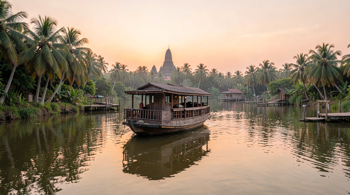
Cruising alternatives focus on the Mekong Delta, utilizing chartered river vessels to bridge the two nations. These itineraries allocate a set number of nights aboard a riverboat, such as the RV Toum Tiou II or the RV Lotus, combined with hotel stays in Ho Chi Minh City and Siem Reap 5 6. This approach allows for rural exploration, including guided visits to artisan workshops, floating markets, and small agricultural communities, while maintaining a consistent base of lodging and dining facilities throughout transit phases 5 6.
Flight Inclusions and Trans-Border Aviation Logistics
The inclusion of international and internal airfare represents a primary component of these structured holiday offerings. For packages sourced from major Australian cities such as Sydney or Melbourne, direct or one-stop flights to Hanoi or Ho Chi Minh City generally require 11 to 16 hours of travel time 7. Operators frequently collaborate with major regional carriers, including Vietnam Airlines, Qantas, or Thai Airways, where stopovers may be scheduled in major Southeast Asian transit hubs like Bangkok 8 9.
Once in Southeast Asia, the execution of the 12-day timeline relies heavily on internal flights to maximize land touring times, which typically average seven to eight days after subtracting transit buffers 9. Common internal air routes include flights from Da Nang to Ho Chi Minh City, and onward flights from Ho Chi Minh City to Siem Reap 3. Managing these trans-border connections requires coordinated transfers between local airports and hotels, typically handled by ground operators utilizing private, air-conditioned passenger coaches 3 4.
Accommodation Standards and Hospitality Frameworks
Accommodation grading across Vietnam and Cambodia ranges from boutique local properties to globally recognized high-end hotels. Many mid-tier packages utilize standard four-star boutique properties, such as the Lucien Hanoi Lakeside Hotel or the Somadevi Angkor Hotel in Siem Reap, which provide breakfast and basic modern amenities 4 10. The market average cost for stand-alone three-star lodging in Siem Reap typically ranges from 40 to 60 USD per night, while four-star properties in major Vietnamese cities like Hanoi or Ho Chi Minh City average between 80 and 120 USD per night 9 10.
For luxury-oriented configurations, packages incorporate five-star properties paired with premium vessel suites. A comparative look at upscale river cruise structures shows an emphasis on spacious, balcony-equipped cabins along the Mekong, where all onboard meals, localized excursions, and selected beverage packages are included during the cruise phase 11 12. The operational standard of these tours generally guarantees twin-share rooms, with single supplements available at an additional fixed cost for solo travelers 12 13.
Regional Climates and Seasonality Planning
The geographical span of Vietnam and Cambodia introduces diverse weather patterns that dictate the ideal timing for travel. The peak tourist period runs from November through February, characterized by milder, cooler temperatures ranging from 15 to 25 degrees Celsius, alongside minimal rainfall 9. Planning during these dry winter months ensures stable conditions for walking tours through archaeological parks and overnight cruises in coastal bays, though it also corresponds with peak visitor volumes and higher baseline travel rates 9 11.
The wet monsoon season, extending from June through September, features high humidity and frequent, heavy downpours. While monsoon travel offers lower entry costs for land arrangements and less crowded historic sites, it presents operational challenges, such as localized flooding in low-lying delta regions and potential maritime cruise delays in Halong Bay 9 11. Travelers must evaluate these climatic trade-offs when booking, noting that shoulder months like April and October often present a compromise of moderate rainfall and transitioning temperatures 5 11.
Regulatory Compliance, Visas, and Entry Requirements
Crossing the national border between Vietnam and Cambodia requires strict adherence to sovereign immigration rules. Australian citizens traveling to Vietnam must secure an appropriate visa prior to entry, with 90-day e-visas accessible via an online official application portal 13 14. Immigration protocols dictate that passports must possess a minimum of six months of validity remaining from the date of arrival to prevent boarding denials at departure airports 13.
For entry into Cambodia, travelers can obtain a tourist visa either through an online electronic portal prior to departure or via visa-on-arrival facilities at designated international land borders and airports 15 16. While some all-inclusive operators provide structural assistance or document review for these processes, the administrative fees and responsibility for accurate document submission remain with the traveler 4 9. Additionally, personal medical considerations, such as physical mobility requirements for temple steps, must be organized independently 1 3.
Comparative Analysis of Tour Inclusions and Expenses
When evaluating the economic value of all-inclusive packages, travelers should dissect the specific inclusions to identify potential out-of-pocket costs. Standard comprehensive packages typically incorporate scheduled site admission fees, such as the multi-day passes required for the Angkor Archaeological Park, alongside expert local English-speaking guides and ground transportation 4 9. However, localized expenses, including select lunches or dinners during leisure days, discretionary gratuities for service personnel, and personal laundry services, are routinely excluded from the base tour price 1 3.
To illustrate the operational variations across popular itineraries, the following table outlines standard package characteristics:
| Itinerary Focus | Typical Duration | Included Components | Excluded Components |
|---|---|---|---|
| River Cruise Priority | 12 to 13 Days | Mekong cruise cabin, all shipboard meals, local port transfers, international airfare 5 6 | Visa processing fees, land-based dinners in cities, personal insurance 4 9 |
| Land-Based Express | 11 to 12 Days | Hotel stays, internal flights, Halong Bay overnight boat, guided city tours 1 3 | Discretionary guide tips, laundry, meals on leisure afternoons 1 3 |
Sources
- TourFinder
- Wonderscape Travel
- Vietbright Travel
- Vietnam Allure Travel
- MyHoliday2
- Let's Holiday
- Vietnam Airlines
- Tourism Authority of Thailand
- Flight Centre Australia
- Booking.com
- Travel at 60
- Responsible Travel
- Department of Foreign Affairs and Trade (DFAT) - Smartraveller (Vietnam)
- Vietnam Immigration Department (official e-visa portal)
- Department of Foreign Affairs and Trade (DFAT) - Smartraveller (Cambodia)
- Cambodia e-Visa (official platform)