Repossessed houses in Victoria: listings and prices 2026
When a property is repossessed in Victoria, it indicates that a financial lender has taken legal control of the asset after the borrower has failed to meet mortgage repayment obligations. These properties, often referred to as mortgagee-in-possession homes, enter the public market through standard real estate channels. Understanding how these listings function and how their pricing is structured is essential for anyone researching the market in 2026.
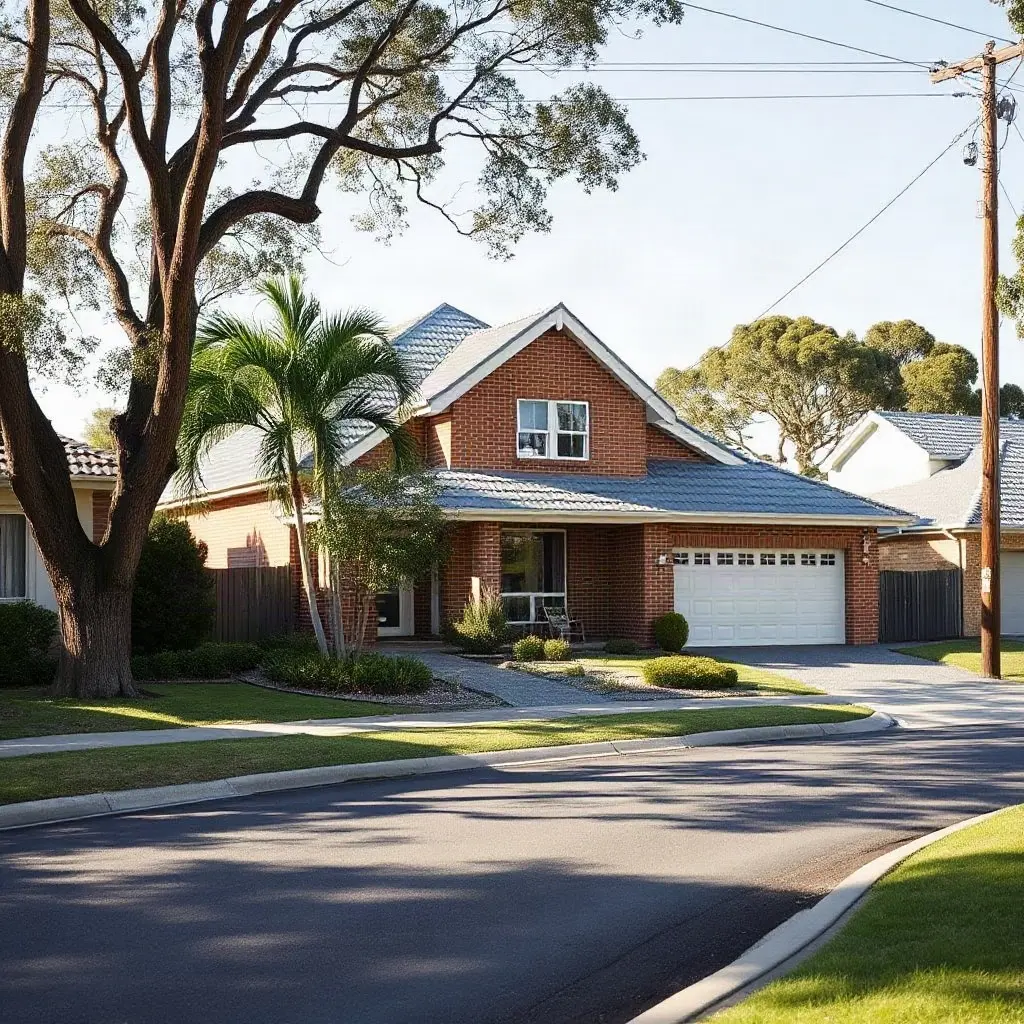
Understanding Repossessed Property Status
A repossessed property occurs when a court-enforced or contractually permitted process transfers the right to sell the home from the borrower to the lender. In Victoria, the lender is required to take reasonable steps to obtain the best price reasonably obtainable at the time of sale. This process is governed by the National Credit Code and state-specific property laws, ensuring that the sale is handled by licensed professionals.
These properties do not typically undergo a unique legal process that distinguishes them from standard home sales once they reach the market. The property remains a residential asset, subject to the same title registration and zoning regulations as any other dwelling. The primary difference lies in the entity selling the home, which is an institution seeking to recover the outstanding debt rather than a private homeowner moving to a new residence.
How Repossessed Listings Are Published
Listings for repossessed houses are not gathered in a single, government-run database. Instead, they appear on standard real estate listing portals alongside conventional property sales. You can identify these properties by reviewing the agent descriptions, which often note that the home is being sold by a mortgagee or by order of a financial institution.
Real estate agents are the primary conduit for these sales. Lenders typically appoint local agencies to manage the marketing, open inspections, and final sale negotiations. Because these agents are acting on behalf of a lender, they often have specific instructions to expedite the sale process. Listings generally include the same information as any other home, including photographs, property features, and the location, although some details regarding the property's history might be limited.
Market Valuation and Pricing Dynamics
Pricing for repossessed houses in Victoria generally aligns with the local market value for similar properties in the same neighborhood. While there is a common perception that these homes are significantly discounted, the reality is that the lender is legally obligated to pursue fair market value to satisfy the debt. Prices are typically determined by independent valuations rather than being set arbitrarily low.
Factors that influence the final price include the condition of the house, the number of bedrooms, lot size, and proximity to local amenities. In 2026, prospective buyers should monitor comparable sales in the specific Victorian postcode to gauge whether a list price reflects the current market. If a property has been vacant for an extended period, the lender may be more motivated to settle, but this does not equate to a guaranteed reduction in price.
Purchasing Requirements and Legal Steps
Buying a property in this category requires adherence to standard Victorian real estate procedures. This includes signing a contract of sale and providing a deposit, which is typically ten percent of the purchase price. However, prospective buyers should note that the conditions within the contract are often non-negotiable. Lenders are generally unwilling to accept special conditions that are common in private sales, such as long settlement periods or subject-to-finance clauses.
The path to completion involves working with a conveyancer or solicitor to review the Section 32 statement. In mortgagee sales, the vendor disclosure is often limited. Because the lender is a financial institution and not the occupant, they typically do not provide information regarding the property's history, past repairs, or the functionality of systems like heating or plumbing. It is the responsibility of the buyer to conduct their own due diligence before signing a contract.
Assessing Property Condition and Risks
One of the most critical aspects of researching repossessed houses is evaluating the physical state of the home. Since the previous occupants may have left under difficult financial circumstances, maintenance tasks may have been neglected for months or years. Prospective buyers should anticipate the need for professional building and pest inspections to identify potential costs, such as structural issues, water damage, or electrical repairs.
Common risks include missing fixtures that were removed before the lender took possession, such as light fittings, appliances, or floor coverings. Additionally, there is the risk of latent defects that a casual walk-through may not reveal. Budgeting for these repairs is a standard practice for buyers interested in distressed property assets, as the purchase price often reflects a 'sold as-is' condition.
Roles of Financial Institutions and Real Estate Agents
The sale is managed by the lender, which sets the requirements for the transaction through their appointed agents. The financial institution holds the power of sale, but the actual day-to-day management of the listing, including facilitating inspections and receiving offers, is handled by local real estate firms. These firms operate under the same licensing requirements as any other agent in Victoria.
Neither the agent nor the lender is responsible for the ongoing state of the property once the contract is settled. Buyers must rely on their own independent advice and property reports. Because the process is driven by the lender's need to clear the debt, they often aim for a clean, straightforward transaction without the complexities of extensive buyer-requested repairs or extended contract conditions. Understanding this dynamic helps in preparing for the realities of the negotiation process.