Kitchen renovation: comparing materials for cabinets: An Analysis of Structural and Aesthetic Performance
When planning a kitchen renovation, selecting the appropriate material for cabinets is a foundational decision that influences the long-term functionality and aesthetic success of the space 1. Because cabinetry typically represents the single largest expenditure in a remodeling project, understanding the technical performance of various substrates is essential for balancing budget constraints with durability requirements 5, 8. This report examines the primary material families utilized in modern cabinetry, providing an objective comparison based on industry standards and performance data.
Solid Wood: The Traditional Benchmark
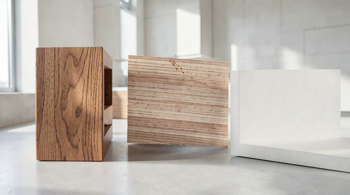
Solid wood remains the industry standard for traditional kitchen aesthetics, valued for its natural grain depth, warmth, and capacity for future refinishing 2. Comprising species such as maple, cherry, oak, and birch, solid wood is milled directly from logs without the use of binders or synthetic compression 3. This material is highly regarded for its longevity, as well-maintained units can endure for 25 to 50 years 2. Owners appreciate the ability to sand and refinish these surfaces multiple times throughout their lifespan, which allows for style updates without the need for total replacement 2, 3.
However, solid wood exhibits inherent hygroscopic characteristics, meaning it reacts to seasonal humidity changes by expanding and contracting 6. This dimensional movement can lead to warping, cracking at joints, or finish separation if the material is not properly acclimated during installation 7. Due to this volatility, solid wood is rarely used for cabinet box construction, where structural stability is paramount; instead, it is primarily reserved for doors and decorative face frames 7. Costs for these premium materials typically range from $500 to $1,200 per linear foot 3.
Plywood: The Structural Foundation
For cabinet boxes, plywood is widely considered the superior choice regarding strength and load-bearing performance 7. Plywood is manufactured by layering thin wood veneers with alternating grain directions, a process that creates exceptional stability and resistance to warping or moisture-related degradation 3, 7. Cabinet-grade options, such as Baltic birch, feature a tighter core and more plies than standard construction varieties, providing excellent screw-holding strength that ensures hardware remains secure under the weight of heavy storage items 3.
Economically, plywood sits in the mid-to-high price tier compared to composite alternatives, with costs generally ranging from $60 to $225 per linear foot 3. When choosing this material, practitioners recommend verifying the ply count and ensuring the absence of internal voids, as higher-quality cross-grain construction is the primary factor preventing cabinet sagging over time 3. In high-humidity environments, such as near sinks or dishwashers, properly finished plywood provides a more reliable barrier against moisture infiltration than particleboard substrates 3.
Engineered Substrates: MDF and Particleboard
Medium-Density Fiberboard (MDF) and particleboard represent the most common engineered wood products used in modern cabinet construction 3. MDF is produced by compressing fine wood fibers with resin under high heat, resulting in a dense, uniform, and smooth surface that is ideal for painted finishes 3, 11. Unlike solid wood, MDF does not have a grain pattern, which prevents it from telegraphing finish imperfections, making it the preferred choice for smooth, modern door profiles 4, 6. Nevertheless, MDF is susceptible to swelling if the protective seal is compromised and exposed to direct moisture 6.
Particleboard is typically the most cost-effective option for cabinet carcasses, formed from wood particles bonded with resin 12. While functional for low-traffic or dry areas, particleboard possesses lower structural integrity compared to plywood or MDF 3. It is highly prone to swelling and loss of strength if edges become wet, making it a less desirable choice for high-moisture kitchen zones such as under-sink bases 6, 8. When utilizing these products, it is important to consider the potential for VOC emissions, as some resin-bonded products may release formaldehyde 13, 14.
Surface Finishes: Thermofoil, Laminate, and Veneers
The exterior aesthetic and durability are largely determined by surface treatments, including thermofoil, high-pressure laminates (HPL), and wood veneers 6. Thermofoil consists of a vinyl film heat-bonded to an engineered core, offering a low-maintenance, easy-to-clean surface that is popular in modern kitchen designs 6, 17. However, exposure to intense heat from nearby ovens or dishwashers can contribute to edge lifting or delamination over time 6. For those seeking durability, HPL is often utilized for its resistance to scratches and impact, providing a robust solution for busy household environments 6, 16.
Wood veneers offer the appearance of solid wood by applying a thin layer of natural timber over a more stable, engineered core 6. This hybrid approach allows for the visual warmth of species like walnut or cherry while significantly reducing the material movement issues associated with solid-wood panels 6. This construction is frequently favored for flat-panel or modern slab door styles where maintaining a consistent, flat surface is essential 6.
Comparative Material Matrix
| Material | Primary Use | Main Advantage | Moisture Resistance |
|---|---|---|---|
| Solid Wood | Doors & Frames | Refinishability & Character | Low |
| Plywood | Cabinet Boxes | Strength & Stability | High |
| MDF | Painted Doors | Smooth Finish | Moderate |
| Particleboard | General Carcasses | Cost Efficiency | Low |
| Thermofoil | Door Surfaces | Easy Maintenance | Moderate |
Regulatory and Environmental Considerations
When selecting cabinetry, evaluating environmental certifications and indoor air quality standards is increasingly standard practice 6. Pressed-wood products, including MDF and particleboard, are recognized by agencies such as the U.S. Environmental Protection Agency and Health Canada as potential sources of formaldehyde emissions 13, 14. Homeowners should look for products compliant with recognized safety standards to mitigate indoor air quality risks 13. Furthermore, for those interested in sustainable sourcing, certifications such as the Forest Stewardship Council (FSC) provide a verified chain-of-custody system, ensuring wood materials have been managed according to responsible forestry practices 15.
Sources
- Homes and Gardens - Kitchen Cabinet Materials Explained
- Mr. Cabinet Care - Kitchen Cabinet Materials Comparison
- Knudson Cabinetry - How to Choose the Right Cabinet Material
- Allure Kitchen Cabinet - Best Materials for Custom Cabinets
- USA Cabinet Store - Kitchen Cabinet Buying Guide 2026
- Kitchenoro - Best Material for Kitchen Cabinet Doors
- D and G Flooring - Best Kitchen Cabinet Materials: Wood, Plywood, MDF
- Kitchen Design Plan - Remodel Material and Hardware Guide
- Mapleking Kitchen Cabinets - Compare Cabinet Materials
- George One Stop - Kitchen Cabinet Material Choices 2026
- Composite Panel Association - MDF Technical Data
- Composite Panel Association - Particleboard Technical Data
- Health Canada - Formaldehyde in Indoor Environments
- U.S. EPA - Composite Wood and Formaldehyde
- FSC Canada - Chain of Custody Certification
- Formica Canada - Laminate Product Information
- Wilsonart - Thermofoil Product Data