Iron deficiency: common signs and how to increase iron intake: an overview of clinical assessment and management
Key facts
- Iron deficiency occurs when the body lacks sufficient iron to produce hemoglobin, which is essential for transporting oxygen throughout the body 1 2.
- Common symptoms like fatigue, weakness, and dizziness are non-specific and require formal laboratory testing to confirm iron deficiency 3 2.
- Management options include dietary changes, oral iron supplements, and intravenous iron infusions, depending on the severity of the deficiency and clinical tolerance 2 4.
- In Ontario, hospital-based iron infusions are typically covered by provincial health plans, while private clinics may charge fees ranging from 400 to 900 CAD 5.
Iron deficiency is a widespread nutritional condition where the body does not have enough iron to meet its physiological needs 2. Iron is a critical mineral required to produce hemoglobin, a protein in red blood cells that carries oxygen from the lungs to the body's tissues 1 2. When iron stores are depleted, the body's ability to transport oxygen effectively is compromised, which can lead to various physical and mental health challenges 2 6. Distinguishing between simple iron deficiency and iron-deficiency anemia is important, as the latter represents a more advanced stage where hemoglobin levels have fallen below the normal range, confirming anemia 3 7.
Common Signs and Clinical Assessment
The symptoms of iron deficiency are often subtle and can develop gradually over months, leading many individuals to overlook them as part of their daily life 3 6. Commonly reported signs include persistent fatigue, weakness, shortness of breath, dizziness, light-headedness, and difficulty concentrating or remembering information 3 2. Some individuals may also experience pale skin, brittle nails, hair thinning, or irritability 2 7 8. Because these symptoms are non-specific and can be caused by various other medical conditions, they cannot be used to establish a diagnosis independently 3 2.
Clinical confirmation requires blood tests, usually ordered by a primary care physician or a specialist. These tests typically assess hemoglobin and ferritin levels to determine the status of the body's iron stores 3 4. A formal assessment is essential because healthcare professionals must investigate the underlying cause of the deficiency, such as chronic blood loss, poor dietary intake, or malabsorption issues like celiac disease, before determining a treatment plan 3 2 6.
Dietary Strategies to Increase Iron Intake
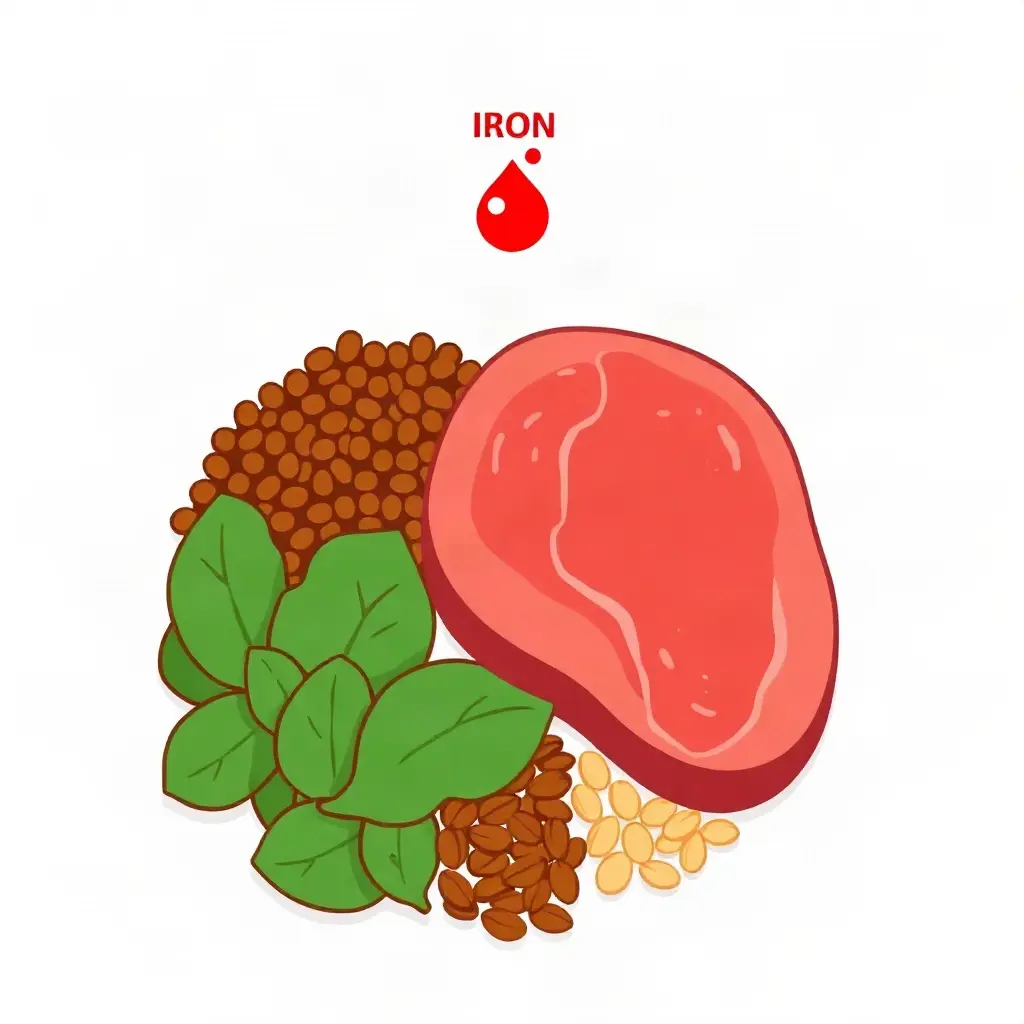
For mild cases, increasing iron intake through diet is often the first step recommended by health professionals 2. Iron in food exists in two primary forms: heme and non-heme. Heme iron, which is found in animal-derived products, is more easily absorbed by the human body than non-heme iron, which is found in plant-based sources 9 10.
Animal sources include lean red meat, poultry, fish, organ meats, and eggs 9 10. Plant-based sources include legumes (lentils, chickpeas, beans), dark green vegetables like spinach, seeds, nuts, and iron-fortified grain products such as cereals and breads 9 10. To improve the absorption of non-heme iron, it is often recommended to combine these foods with sources of vitamin C, such as citrus fruits, bell peppers, or tomatoes 9 1. Conversely, substances like tea, coffee, and high-calcium foods can inhibit iron absorption and are best consumed between meals 9.
Oral Iron Supplements and Clinical Considerations
When dietary adjustments are insufficient or the deficiency is more significant, oral iron supplements may be prescribed by a physician 1 2. These supplements are widely available, but they are known to cause gastrointestinal side effects in some individuals, including nausea, constipation, abdominal cramping, and diarrhea 8 4. Because these side effects can lead to poor adherence or the discontinuation of treatment, patients are encouraged to report any discomfort to their healthcare provider for potential adjustments or alternative strategies 8 4.
Intravenous Iron Therapy
Intravenous (IV) iron infusion may be considered when oral iron is not tolerated, is ineffective, or when a rapid replenishment of iron stores is clinically required, such as during pregnancy or before surgery 8 4. This treatment involves delivering iron directly into the bloodstream through a vein, typically in a hospital outpatient clinic or a specialized private infusion center 5 4. Patients must undergo an assessment by a qualified professional to ensure they are appropriate candidates for this therapy and to discuss potential risks, such as infusion reactions 5 4.
| Setting | Estimated Cost | Coverage/Notes |
|---|---|---|
| Hospital Outpatient | 0 CAD | Usually covered by public health plans (e.g., OHIP) with physician referral. |
| Private Clinic | 400–900 CAD | Includes nursing/facility fees; prices vary by iron formulation used 5. |
In Canada, access to iron infusions through the public health system requires a formal referral from a primary care physician or specialist. While hospital-based treatments are generally covered under provincial plans, waiting times can range from several weeks to months depending on the urgency of the case 5. Private clinics offer an alternative for those seeking faster access, though they charge out-of-pocket fees that vary based on the specific iron medication and clinic policies 5.
Risks and Professional Guidance
It is important to emphasize that iron treatment should only be initiated under the guidance of a qualified medical professional. Self-prescribing iron supplements can be harmful, as excessive iron accumulation in the body can be toxic 2. Furthermore, since iron deficiency is often a symptom of an underlying issue-ranging from internal bleeding to absorption disorders-proper medical investigation is vital to prevent missing other serious conditions 3 6. Patients should always discuss their symptoms, lab results, and medication list with their doctor to ensure safe and effective clinical management 1 11.
Sources
- Iron-Rich Diet: Care Instructions - MyHealth Alberta: https://myhealth.alberta.ca/Health/aftercareinformation/pages/conditions.aspx?hwid=uh3989
- Iron deficiency - symptoms, causes, treatment & prevention | healthdirect: https://www.healthdirect.gov.au/iron-deficiency
- Iron Deficiency Anemia - Blood Disorders - Merck Manual Consumer Version: https://www.merckmanuals.com/en-ca/home/blood-disorders/anemia/iron-deficiency-anemia
- IV Iron Therapy Landing - the IV health centre: https://theiv.ca/iv-iron-therapy-landing/
- Iron Infusion Cost in Ontario: What's Covered, What's Not, ...: https://careand.ca/blog/iron-infusion-cost-ontario-ohip-coverage
- This health issue takes a mental and financial toll on thousands in BC | The Province: https://theprovince.com/news/health-iron-deficiency-mental-financial-toll-thousands-bc
- Iron Deficiency and Anemia in Babies, Children & Teens: https://www.healthychildren.org/English/health-issues/conditions/chronic/Pages/Anemia-and-Your-Child.aspx
- Iron Infusion in Toronto: Cost, OHIP Coverage, and What to Expect | Care& Family Health Blog | Care& Family Health: https://careand.ca/blog/iron-infusion-toronto-cost-ohip-coverage
- Examples of nutritious foods that provide iron, calcium or ...: https://www.canada.ca/en/health-canada/services/food-guide/explore/dietary-guidelines/applying/examples-nutritious-foods-iron-calcium-unsaturated-fat.html
- How To Get More Iron: https://www.unlockfood.ca/en/Articles/Vitamins-and-Minerals/How-To-Get-More-Iron.aspx
- No. 469 Iron Deficiency and Iron Deficiency Anemia in Obstetrics and Gynaecology - Journal of Obstetrics and Gynaecology Canada: https://www.jogc.com/article/S1701-2163(26)00230-6/abstract