
Peppermint herbal tea for digestive discomfort relief: A clinical perspective on traditional use and scientific evidence
Peppermint herbal tea has long been a staple in traditional wellness, frequently consumed to soothe mild digestive issues like gas, bloating, and general stomach discomfort 1, 4. While many individuals find the ritual of drinking a warm, caffeine-free infusion to be a calming experience that aids in post-meal relaxation, it is important to understand the current medical evidence regarding its efficacy 1, 7. Distinguishing between the mild effects of steeped leaves and the concentrated properties of peppermint oil is essential for those seeking to understand the role of this herb in digestive health 1, 9.
The Physiological Mechanism of Peppermint Menthol
The primary active constituent in peppermint (Mentha x piperita) is menthol, a natural compound that exerts a distinct cooling sensation and physiological impact on the body 8, 9. Menthol functions by binding to cold-sensitive receptors, known as TRPM8, which contributes to the characteristic cooling effect felt even when the tea is served hot 8. Beyond this sensory experience, menthol is believed to possess antispasmodic properties that affect the smooth muscles within the gastrointestinal tract 5, 9.
By influencing the calcium channels in the cells of these smooth muscles, menthol may help the gut wall relax rather than contract, potentially alleviating the spasms associated with cramping or feelings of fullness 5, 9. This mechanism is the theoretical basis for why peppermint is traditionally utilized after meals to help ease trapped gas and reduce the sensation of bloating 1, 5, 9. However, the concentration of these compounds in a standard cup of tea can vary significantly depending on the preparation method, leaf quality, and steeping duration 1.
Distinguishing Tea from Clinical Peppermint Oil
A critical nuance in digestive research is the clear distinction between peppermint tea and enteric-coated peppermint oil capsules 1, 9. Most of the robust clinical evidence supporting the use of peppermint for conditions like Irritable Bowel Syndrome (IBS) is derived from concentrated oil, not the herbal infusion 1, 4, 9. Clinical trials often focus on how these concentrated forms can pass through the stomach to release in the intestines, thereby providing targeted relief for abdominal pain and spasms 1, 10.
| Preparation Type | Typical Concentration | Common Application |
|---|---|---|
| Peppermint Tea | Mild/Variable | General soothing/After-meal comfort |
| Peppermint Oil | High/Targeted | Clinical management of IBS symptoms |
Because these preparations differ drastically in dosage and delivery, findings related to clinical oil studies should not be automatically applied to the casual consumption of peppermint tea 9. While tea may offer a gentle, soothing experience, it lacks the standardized potency required for medical intervention in diagnosed gastrointestinal disorders 1, 9.
Important Considerations for Reflux and GERD
While peppermint is often associated with digestive comfort, it can pose risks for individuals with specific pre-existing conditions 3. Specifically, the same muscle-relaxing property that helps with cramping can also affect the lower esophageal sphincter, the valve responsible for keeping stomach acid in the stomach 1, 5, 6. By relaxing this sphincter, peppermint may facilitate the backward flow of acid into the esophagus, potentially worsening symptoms of heartburn or gastroesophageal reflux disease (GERD) 1, 3, 6.
Individuals who experience frequent or severe reflux should exercise caution and may be advised to limit their intake of peppermint-based beverages 6, 9. Furthermore, those with conditions such as gallstones or bile duct issues should consult a medical professional before incorporating peppermint tea into their regular diet, as its effect on the gallbladder may be contraindicated in certain clinical scenarios 9.
When to Seek Professional Medical Advice
Herbal remedies are intended for the management of minor, occasional complaints and are not substitutes for thorough medical evaluation when symptoms are persistent or concerning 1, 6. Persistent digestive discomfort, changes in bowel habits, unexplained weight loss, or the presence of alarm symptoms like vomiting and bleeding warrant a visit to a healthcare provider 6, 9. Relying on home remedies when symptoms require a diagnostic review can delay the identification of underlying health issues 6.
Pregnant individuals, children, and those currently managing chronic health conditions or taking prescription medications should verify the safety of adding herbal teas to their daily routine with a clinician or pharmacist 9. Professional oversight ensures that herbal additions do not interact negatively with existing treatment plans or exacerbate hidden sensitivities 1, 9.
Preparation and Cultural Context
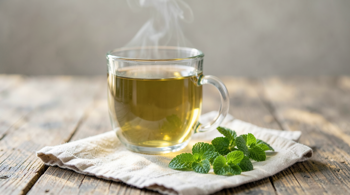
Peppermint tea is naturally caffeine-free, making it a versatile option for evening consumption without the risk of sleep disruption associated with traditional caffeinated teas 4, 8. Whether utilizing fresh garden leaves or dried leaves from a reputable source, the infusion process remains simple: steeping the plant material in hot water releases the essential oils that define the tea's aroma and potential effects 3, 4. Fresh leaves often provide a more vivid, bright flavor compared to dried varieties, though convenience often drives the use of tea bags 8.
Historically, various cultures have utilized mint, including peppermint and spearmint, to address minor ailments 2. From its use in ancient Greek and Egyptian traditions to Persian folk remedies, the focus has largely been on the soothing nature of the herb for an upset stomach 2. While these traditions underscore the long history of human interaction with the plant, modern consumers are encouraged to view these practices through a balanced lens that values historical usage alongside modern clinical awareness 6.
Sources
- Acibadem Hospitals Group - Peppermint Tea Benefits: Evidence, Uses, Risks
- WebMD - Mint Tea: Health Benefits, Nutrition Facts
- Medical News Today - Peppermint tea: Health benefits and how much to drink
- BBC Good Food - Top 6 health benefits of peppermint tea
- Prevention - How Peppermint Tea Helps Boost Digestion
- Acibadem Hospitals Group - Mint Benefits: Evidence-Based Health Uses
- Yahoo Health - Discover Why Dietitians Recommend Peppermint Tea for Better Digestion
- The Tea Hearth - Peppermint Tea: Uses, Benefits, and How to Brew It
- Safeway - What Does Peppermint Tea Do?
- National Library of Medicine - Clinical evidence review on peppermint oil