
2-day rail-and-stay break to Lincoln with train tickets and hotel: An itinerary and planning report
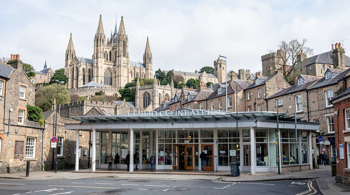
A 2-day rail-and-stay break to Lincoln with train tickets and hotel can be structured around Lincoln Central Station, a centrally located overnight stay and the uphill historic quarter. The city combines Lincoln Cathedral, Lincoln Castle, Steep Hill and the medieval Bailgate area, while the station is close enough to make onward walking practical. 1
Rail routes and journey structure
Lincoln is served by Lincoln Central Station, which sits in the city centre and provides access to the historic area without requiring a long transfer from the railway. Direct LNER services operate between London King’s Cross and Lincoln on selected routes, with journey times of approximately two hours. Other journeys may require a change, depending on the departure point and timetable. 2
East Midlands Railway provides route information for services serving Lincoln and the wider East Midlands, while CrossCountry supplies journey-planning information for connecting travel. A journey from another town may therefore involve a connection at a regional interchange rather than a direct train. National Rail Enquiries provides timetable planning, live running information and ticketing details for Great Britain rail journeys. 341
What train tickets should be checked
Rail tickets should be assessed against the precise travel date, departure time and route. The research indicates that fares and ticket availability vary by departure date and booking conditions, so a single general fare cannot represent every two-day break. The relevant comparison is between the flexibility of the ticket, the number of permitted trains and the consequences of changing a planned departure. 1
Sunday travel can require particular attention. A documented Lincoln rail journey notes that the roughly hourly East Midlands service via Sleaford and Spalding operated Monday to Saturday, while Sunday choices were substantially reduced and trains used the LNER route via Newark and Grantham. This means a return journey scheduled for Sunday evening should be checked independently rather than assumed to follow the weekday pattern. 5
Choosing the overnight hotel area
For a short visit, central accommodation reduces the need for local transport between arrival, sightseeing and the evening meal. The White Hart Hotel in the Bailgate area has been identified in travel accounts as being close to Lincoln Cathedral and Lincoln Castle, while another documented stay used The Lincoln Hotel near the cathedral. These examples illustrate the value of the uphill Cathedral Quarter as a base, not a recommendation or guarantee of availability. 6
Other accommodation categories include hotels near the station, city-centre properties and self-catering rooms. Visit Lincolnshire lists Stay@St Marks as ensuite accommodation with shared kitchens and living rooms, Wi-Fi, parking and optional breakfast arrangements. Its published information also states that rooms are single occupancy and that guests staying two nights or longer receive access to the University of Lincoln Sports Centre gym. 7
Day one: arrival and the uphill quarter
After arriving at Lincoln Central Station, the first day can focus on the uphill historic area. Lincoln Cathedral is one of the city’s principal attractions, and the Cathedral Quarter extends into Bailgate and the medieval streets around it. Steep Hill provides the physical link between the lower and upper parts of the city, so the route involves a noticeable walk uphill rather than a flat station-to-attraction connection. 5
A practical sequence is to leave luggage at the hotel where permitted, continue to the cathedral, then walk through Bailgate and Steep Hill before returning for check-in. The official cathedral site provides visitor information and opening details, which should be checked because access times and admission arrangements can affect the order of the day. The city’s official visitor-information service also provides guidance on attractions, food and accommodation. 85
Day two: castle, museums and the return journey
Lincoln Castle is a suitable second-day focus because it is located in the Cathedral Quarter and includes the castle grounds, a Victorian prison and a medieval wall walk. The official castle site provides visitor information for these features. A visitor intending to return by train should allow time for the uphill walk back toward the station and should verify the attraction’s opening arrangements before finalising the rail departure. 9
The lower city offers a contrasting setting around Brayford Waterfront, with shops, restaurants and the university area. A two-day schedule can therefore combine the cathedral and historic streets on day one with Lincoln Castle and the waterfront on day two. The International Bomber Command Centre is another named attraction, but published travel guidance notes that it is closed on Mondays, making the weekday pattern important when selecting the two travel dates. 6
Planning limits, costs and booking risks
Hotel room rates, rail fares and availability are date-dependent variables. Premier Inn provides hotel information for selected Lincoln properties, while Booking.com offers date-based searches for hotels and other accommodation, with prices and availability dependent on the dates entered. These services represent comparison sources, not a fixed package or a guaranteed inventory of rooms and tickets. 1011
The main planning risks are reduced Sunday rail frequency, late timetable changes, a mismatch between hotel location and the visitor’s walking tolerance, and attraction opening times that do not align with the itinerary. Ticket restrictions can also limit the usable departure times, while a more flexible ticket may have different conditions. Checking the rail operator, National Rail Enquiries, the hotel’s terms and each attraction’s official information is therefore necessary before travel. 128
Illustrative two-day schedule
The following structure uses the research findings without assuming a particular departure town or live timetable. Day one consists of the inbound train, arrival at Lincoln Central, luggage handling, cathedral and Cathedral Quarter sightseeing, followed by an overnight hotel stay. Day two consists of Lincoln Castle, the medieval wall walk or prison, time around Brayford Waterfront and the return train selected from the confirmed timetable.
- Day one morning or afternoon: rail journey to Lincoln Central.
- Day one afternoon: Cathedral Quarter, Lincoln Cathedral, Bailgate and Steep Hill.
- Day one evening: overnight accommodation in or near the central area.
- Day two morning: Lincoln Castle and its visitor features.
- Day two afternoon or evening: waterfront visit and confirmed return service.
This arrangement keeps the principal historic attractions together geographically while retaining a separate period for the modern waterfront. It also leaves the return time as a timetable decision rather than an assumption. That distinction is especially relevant for Sunday returns, when the available service pattern may be more limited than on weekdays. 5
Sources
- National Rail Enquiries
- LNER
- East Midlands Railway
- CrossCountry
- mwtrips, A Weekend in Lincoln
- The Flashpacker, 10 Reasons Why You Should Take A Lincoln City Break
- Visit Lincolnshire, Stay@St Marks
- Visit Lincoln
- Lincoln Castle
- Premier Inn
- Booking.com