
Dental implant costs in United Kingdom: what patients may pay in 2027: A Market Analysis of Private Dentistry
Understanding the financial landscape of dental implant restoration in the United Kingdom requires a clear distinction between headline figures and the total cost of ownership. As of 2027, the market for dental implants remains almost exclusively within the private sector, as the National Health Service (NHS) provides limited coverage, typically restricted to cases involving extreme clinical necessity such as trauma or cancer treatment 3, 4, 6. For the vast majority of patients, securing an accurate estimate involves parsing through individual components like surgical placement, restorative crowns, and diagnostic requirements 2, 4, 7.
Defining the Components of Implant Pricing
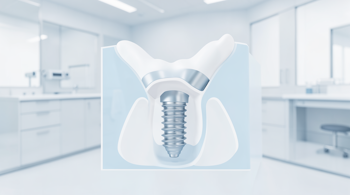
A dental implant is rarely a single fixed-price item; rather, it is a multi-stage procedure that combines hardware costs with professional clinical labor 2, 4. The surgical phase involves the placement of a titanium fixture into the jawbone, which acts as an artificial root 1. This is followed by the attachment of an abutment, which serves as the connector for the visible crown 1, 6. Because different clinics bundle these services differently, patients often encounter price disparities that reflect whether items like 3D CBCT scans, laboratory planning, and final porcelain or zirconia crowns are included in the initial quote 2, 5, 8.
| Component | Estimated Market Cost |
|---|---|
| Titanium Implant Fixture | £400–£1,500 |
| Abutment (Connector) | £200–£500 |
| Final Crown (Visible tooth) | £500–£1,200 |
Market Averages and Single-Tooth Estimates
For a standard single-tooth replacement in 2027, market data indicates that patients can expect a total expenditure ranging between £1,800 and £3,500 2, 4, 5. In regions where operating costs for private practices are higher, such as central London, these figures often rise to between £2,800 and £4,500 6, 9. These averages represent the all-in cost for the treatment cycle, encompassing the surgical procedure, necessary diagnostic imaging, and final restoration 4, 8. Patients are encouraged to verify whether initial consultations are inclusive of these diagnostics, as imaging fees can add significantly to the preliminary costs 3, 6.
Complex Restorations: All-on-4 and Full-Mouth Costs
Patients requiring more extensive work, such as the All-on-4 or All-on-6 procedures, face a different financial structure based on the number of implants required to support an entire arch of teeth 2, 5. An All-on-4 full-arch restoration typically carries a price range of £9,000 to £15,000 per arch in most UK regions 2, 5. For comprehensive full-mouth reconstructions involving both upper and lower arches, total costs can escalate to between £18,000 and £30,000, depending on the complexity of the clinical case and the materials specified by the restorative lab 2, 5, 7.
Regional Economic Factors and Price Variation
Geographic location serves as a primary driver of price variance within the UK private dental market 1, 7. Practices situated within the M25 corridor and major metropolitan hubs generally charge premiums of 20% to 40% compared to clinics in the Midlands, Northern England, or Scotland 9. This discrepancy is largely attributed to higher overheads, including property rents and staffing costs for clinical specialists 7. Prospective patients often observe that while the brand of the implant system and the expertise of the surgeon remain constant, the non-clinical costs of running a practice vary substantially across the country 7, 9.
Additional Clinical Necessities That Influence Total Fees
The base price of an implant can be influenced by pre-existing conditions that require preparatory procedures 5. If a patient lacks sufficient bone density in the jaw, a bone graft may be required to ensure the stability of the implant fixture, which can add between £150 and £1,500 to the total treatment plan 3, 4, 6. Similarly, sinus lifts may be necessary for upper jaw implants, costing approximately £800 to £2,500 depending on the clinical requirements 4, 6. These variables underscore the importance of comprehensive treatment planning before finalizing any budgetary commitments 2, 5.
Financing and Long-Term Ownership Considerations
To assist with the significant upfront costs of implant dentistry, many UK private practices provide access to financing solutions, such as 0% or low-interest payment plans spread over 12 to 36 months 6. These plans allow for monthly payments that can range from £80 to £150 for single implants, though eligibility depends on the specific financial institution and individual credit history 6. Patients are also advised to consider the long-term maintenance of the restoration, as crowns may require replacement after 10 to 15 years, while the titanium fixture itself typically has a longevity of 15 to 25 years 6.
Sources
- Dentists Closeby: Dental Implants Cost UK 2026 Guide
- Dental Implant Quote: UK Private Price Analysis
- Dental Implants Abroad: NHS vs. Private Cost Comparison
- Dentist Cost UK: The True Cost of Dental Implants 2026
- Dental Implant Quote: Real-World Pricing Data 2026
- Dentist Cost UK: Single Tooth Implant Price Breakdown
- Smyleee: Low-Cost Implants and Tradeoffs 2026
- Zental: Regional Dental Implant Price Index
- UrgentCare Dental: UK Implant Market Price Variations
- Pearlie: Regional Price Disparities and Component Costs