
5-day Rome itinerary travel package with hotel and breakfast 2026: An Analysis of Market Pricing, Lodging Standards, and Historic Site Logistics
When evaluating international travel options, a standardized 5-day Rome itinerary travel package with hotel and breakfast 2026 serves as a highly structured framework for navigating one of Europe's most historical urban environments 1. These comprehensive packages aim to consolidate accommodation, morning meals, and key sightseeing routes into a unified purchase, reducing the administrative burden of individual bookings 2. Industry analysts note that standardizing these components has become increasingly common as a means to manage fluctuating lodging rates and competitive ticket allocation systems in the Italian capital 3.
Structural Overview of 2026 Rome Travel Package Configurations
Most pre-configured travel arrangements for the 2026 calendar year are built around a four-night lodging model, leaving the remaining portions of the first and fifth days flexible for arrival and departure procedures 4 5. Packages often center their base of operations in central zones such as the Rome Historic Centre, which provides straightforward walking access to major plazas, or peripheral districts like Fonte Ostiense, which typically offer more modern lodging configurations 1. The standard core of these bundles comprises nightly hotel rooms, daily breakfast, and pre-arranged admission schedules to major archaeological areas 5 6.
For the 2026 season, market rates for complete vacation packages vary based on airline integration and lodging quality, with base rates observed from $1,089 to $1,490 per traveler when departing from major hubs 1. Independent custom options are also prevalent, allowing travelers to customize their schedules with the assistance of certified regional specialists who integrate flights, regional rail, and specialized city excursions into a bespoke itinerary 2.
Typical Daily Distribution of a Five-Day Itinerary
A structured day-by-day distribution is designed to minimize walking fatigue and transit times by grouping geographically proximate historical assets. A typical itinerary begins on Day 1 with a focus on Ancient Rome, concentrating activities around the Colosseum, the Roman Forum, and Palatine Hill 7 8. Day 2 traditionally transitions into the Centro Storico, guiding visitors through a sequence of historic plazas and architectural highlights including the Trevi Fountain, Piazza Navona, and the Pantheon 8.
Day 3 of the standard program is almost universally reserved for Vatican City, allocating dedicated blocks of time for the Vatican Museums, the Sistine Chapel, and St. Peter's Basilica 8. The final two days are normally dedicated to decentralized exploration, such as a culinary walk through the Testaccio market, a leisurely evening in the Trastevere district, or a day excursion to outlying destinations like the ancient ruins of Ostia Antica or via high-speed rail to Naples 8 9.
Hotel Accommodations and Daily Breakfast Realities
Lodging classifications within Rome travel packages vary across 3-star, 4-star, and 5-star designations 10. Central properties, such as the Relais de la Poste, place travelers directly in the historic center but often feature compact room footprints due to the historical preservation of the buildings 1. Outlying 4-star locations, such as the JC Hotel or the Grand Hotel Tiberio, offer broader modern conveniences and larger rooms, but require travelers to utilize local transit networks to reach the historic core 1 11. Daily breakfast models are normally configured as continental buffets, featuring pastries, cold cuts, and espresso beverages, though hot cooked items may be subject to additional fees 12.
Standard packages are typically priced on a double-occupancy basis, meaning solo travelers must plan for additional single supplement fees, which frequently start at $299 per traveler 5. Upgrading from standard lodging to deluxe or prestige tiers introduces additional upcharges, typically ranging from $299 to $699 per person, depending on the specific property's seasonal pricing policies and room allotments 5.
Logistical Planning and Ticket Booking Constraints
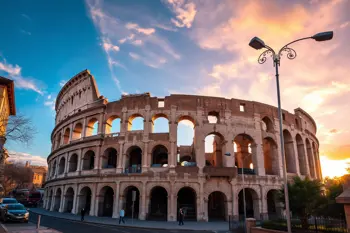
A key administrative advantage of a pre-arranged package is the management of timed-entry requirements for high-demand municipal and historical sites. The Colosseum, which charges a standard entry fee of approximately €18, requires pre-booked entry slots that regularly sell out within minutes of release 13. Unpackaged independent travelers often find themselves locked out of key areas like the underground hypogeum if reservations are not secured at least 30 days in advance 7 13.
Weekly scheduling constraints also demand close attention during the initial package configuration. The Vatican Museums are closed on Sundays, with the exception of the final Sunday of each month, which features free but heavily crowded public admission 8 14. Similarly, key state-run landmarks like Castel Sant'Angelo and the Borghese Gallery are traditionally closed to the public on Mondays, necessitating careful rotation of the itinerary days 8.
Cost Analysis and Comparative Budget Projections
Analyzing the financial allocation within a 5-day Rome package is essential for identifying potential out-of-pocket expenses. Typical day-to-day expenditures for independent dining, local transit, and minor entry fees average between €78 and €142 per person when not bundled into the upfront package price 13. Pre-configured travel programs aim to stabilize these variables by consolidating basic lodging and primary sightseeing permits, which helps prevent unexpected price inflation during high-demand periods 2 8.
A comparative assessment of various packaging levels reveals clear budget stratifications. Standard packages represent a structured mid-range approach, while budget options may utilize shared facilities or peripheral hostels 8. Premium programs regularly incorporate 4-star or 5-star properties, private airport transfers, and customized walking excursions 10. The table below outlines historical cost averages for 5-day Rome itineraries, categorizing typical expenditures per person based on standard industry price tiers 8 10:
| Expense Category | Budget Tier | Mid-Range Tier | Luxury Tier |
|---|---|---|---|
| Accommodation (4 Nights) | $235 | $480 | $1,200 |
| Food & Meals | $132 | $260 | $600 |
| Local Transport | $80 | $150 | $300 |
| Attractions & Tours | $92 | $180 | $450 |
| Total Estimated Cost | $539 | $1,070 | $2,550 |
Critical Market Friction Points and Seasonal Fluctuations
Evaluating a Rome travel package requires an objective assessment of potential friction points and seasonal variables. The city's peak tourist season, spanning from April through October, commands significant premium pricing, with lodging and flight rates increasing by 30% to 40% compared to the shoulder winter months 12. Additionally, the high volume of visitors during these months can lead to substantial wait times at security checkpoints, even for those holding skip-the-line vouchers 12 14.
Practical local regulations also govern the daily execution of any travel program. Visitors must adhere to strict behavioral rules, such as covering shoulders and knees when entering active churches and basilicas 14. Furthermore, municipal airport transit from Rome Fiumicino (FCO) is regulated, with the dedicated Leonardo Express train costing approximately €14 to €16 per trip to Roma Termini, while standardized municipal taxi fares to the city center are set near €50 9 14.
Sources
- Expedia
- ItalianTourism.us
- Bon Traveler
- Go Travel Italy Now
- Groupon
- Just Roma
- Rome Hacks
- GoTripzi
- Letter from Somewhere
- General Travel Market Data
- ItalianTourism.us Escorted Tours
- General Travel Advisory Guidance
- Machu Picchu Travel Planning Guide
- Roaming My Planet