
Available dental implant solutions for missing teeth in 2026: A Clinical and Technical Overview
Modern dental science offers a variety of available dental implant solutions for missing teeth in 2026, ranging from single-tooth replacements to full-arch rehabilitations. The loss of teeth affects not only aesthetic appearance but also fundamental oral functions, including chewing ability, speech, and bite alignment 25. When a tooth root is no longer present, the jawbone lacks the stimulation necessary to maintain density, which often leads to bone resorption and changes in facial structure over time 18. Recent estimates indicate that the number of individuals seeking these restorative treatments has increased significantly, with millions of people globally utilizing titanium and zirconia foundations to support crowns, bridges, and dentures 11.
The Clinical Rationale and Biological Impact of Tooth Replacement
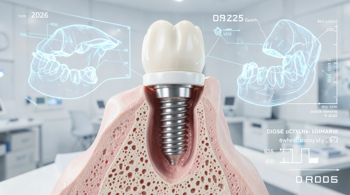
In 2026, clinical professionals emphasize that addressing tooth loss is a functional necessity rather than a purely cosmetic choice. When gaps are left untreated, surrounding teeth may shift into the vacant space, resulting in bite complications and potential strain on the jaw joints 18. Dental implants serve as biocompatible metal or ceramic screws that are embedded into the jawbone to replace the natural tooth roots 11. This process, known as osseointegration, allows the implant to bond with the bone over several months, creating a stable foundation for the final prosthesis 18.
For patients facing total tooth loss, failing dentitions, or the limitations of traditional dentures, full-arch restorations provide a transformative alternative 1. These solutions typically involve anchoring a fixed prosthesis to a specific number of implants, which helps to preserve the remaining jawbone volume and prevent the sunken facial appearance associated with long-term edentulism 18. The selection of a specific implant system depends on the patient's bone density, oral health history, and specific anatomical requirements 3.
Comparative Analysis of Full-Arch Restoration Protocols
The All-on-X protocol remains a primary solution for full-arch rehabilitation in 2026. The All-on-4 technique, originally developed by Professor Paulo Maló, utilizes four implants per arch: two straight anterior implants and two posterior implants tilted at angles up to 45 degrees 1. This tilting strategy is designed to maximize bone contact and avoid sensitive anatomical structures like the maxillary sinuses and the inferior alveolar nerve 1. For patients requiring higher stability, particularly in the upper arch, the All-on-6 configuration distributes biting forces across six implants 2.
| Option | Implants Per Arch | Primary Indication | Prosthetic Type |
|---|---|---|---|
| All-on-4 | 4 | Moderate bone volume | Fixed hybrid/zirconia |
| All-on-6 | 6 | Maximum stability requirements | Fixed zirconia/porcelain |
| Overdenture | 2 to 4 | Stabilization of removable teeth | Snap-on acrylic |
| Individual Implants | 8 or more | Maximum aesthetics/High bone density | Single crowns/Bridges |
While fixed solutions like All-on-4 and All-on-6 are designed for permanence, implant-supported overdentures offer a removable alternative for those seeking an upgrade from traditional dentures 1. These overdentures typically snap onto two to four implants, providing improved stability compared to conventional tissue-retained prosthetics 2. However, these systems still require periodic maintenance, as the denture components may need replacement every five to ten years 2.
Innovations in Immediate Placement and Bone Preservation
Immediate loading protocols, often referred to as same-day teeth, have become increasingly common in 2026. Systems like the Straumann BLX are engineered specifically for immediate placement, featuring a highly tapered body and progressive threads to achieve high primary stability in soft bone 15. Furthermore, the SLActive surface technology used in these implants is designed to reduce healing times from eight weeks to as little as three or four weeks by promoting faster bone-to-implant contact 15.
Preserving the crestal bone is another major focus of current implant design. The AXEL system, for instance, utilizes a 0.9 mm thread-free neck to reduce stress at the marginal bone level, which supports healthier soft-tissue adaptation 14. Similarly, the AMG V7 line incorporates platform switching and micro-threads at the crestal zone to maintain bone levels and ensure long-term mechanical strength 23. These design features are essential for preventing the bacterial adhesion and bone resorption that can lead to implant failure 14.
Specialized Solutions for Severe Bone Atrophy
Patients with severe maxillary bone loss who cannot support conventional implants may utilize zygomatic implants in 2026. Unlike standard implants that engage the jawbone, zygomatic implants are anchored in the dense cortical bone of the cheekbone (zygoma) 9. These implants range in length from 30 mm to 60 mm and allow for full-arch rehabilitation without the need for extensive bone grafting or sinus lifting procedures 10, 12. This approach significantly bypasses the surgical risks and extended healing times (often six to nine months) associated with traditional grafting 10.
For different clinical challenges, such as narrow spaces or limited bone mass in older patients, mini dental implants provide a less invasive alternative. These screws have a diameter of less than 3 millimeters and a unique one-piece design 11. While they offer a simpler placement process, they are often considered less durable than conventional implants and are frequently used for stabilizing loose lower dentures 2, 11. The selection between zygomatic, mini, or conventional implants is determined through precise 3D imaging and clinical assessment 18.
The Role of Digital Dentistry and Artificial Intelligence
In 2026, the integration of Artificial Intelligence (AI) and digital workflows has standardized the planning and placement of dental implants. AI-first platforms like 21D now automate up to 98 percent of the planning pipeline, including nerve mapping, bone volume analysis, and surgical guide generation 8. This reduces the reliance on manual steps and external planning services, potentially increasing the accuracy of implant placement 8.
- Digital Planning: Utilizes CBCT and intraoral scans for prosthetically driven outcomes 4.
- Guided Surgery: Uses 3D-printed templates to ensure implants are placed in the exact planned trajectory 4.
- Immediate Provisionalization: Allows for the delivery of a temporary bridge within 24 hours of the procedure 22.
- Digital Overdentures: Employs 3D-printed titanium frameworks bonded to precision-milled PMMA for high strength 7.
These technological advancements facilitate a more predictable treatment experience. The use of digital analogs and scan bodies, as seen in the Sydent Pulsar system, ensures that the final digital restoration matches the surgical placement with high precision 28. This holistic approach addresses the entire restorative cycle, from initial bone assessment to the final aesthetic crown or bridge 5.
Economic Considerations and Long-Term Maintenance
The cost and longevity of dental implant solutions are influenced by several variables, including the brand of the implant, the material of the prosthesis, and the complexity of the case. Premium brands like Straumann, Nobel Biocare, and MIS are widely recognized for having 10-year survival rates exceeding 97 percent 3. While titanium remains the industry standard, zirconia implants are gaining popularity as a metal-free alternative for patients with specific aesthetic requirements or sensitivities 38.
Ongoing maintenance is vital for the success of any implant restoration. While the titanium post itself is designed to last a lifetime, the prosthetic components, such as acrylic hybrid or porcelain crowns, are subject to wear and may require adjustments or replacement over time 1, 2. Furthermore, patients must adhere to strict oral hygiene protocols to prevent peri-implantitis, an inflammatory condition that can compromise the bone supporting the implant. Regular clinical follow-ups and professional cleanings are standard requirements for all implant-supported solutions in 2026 3.
Sources
- Xhaowen: Full Mouth Dental Implants Guide
- Nuvia Smiles: All-on-4 vs All-on-6 Comparison
- Empire Dental Clinic: Dental Implant Brands Guide
- DIO Implant USA: Full Arch Solutions
- Noris Medical: Single-Tooth Implant Solutions
- Noris Medical: Full-Arch Immediate Loading
- AvaDent: AvaMax Implant-Supported Dentures Guide
- The AI Journal: AI Full Arch Implant System Review
- Noris Medical: Zygomatic Implant Overview
- IDL Implants: Zygomatic Solution for Maxillary Atrophy
- East Longmeadow Family Dental: Best Implant Options in 2026
- Surcam Dental: Zygomatic Dental Implant Data
- IDL Implants: Core Implant for Compromised Bone
- Dentis USA: AXEL Implant System Performance
- Ad-hoc-news: Straumann BLX Implant System Technical Data
- Noris Medical: Tuff Self-Tapping Implant Features
- Surcam Dental: S-Type Clinical Reliability
- Joshua M. Ignatowicz DMD: Henderson NV Dental Implant Solutions
- Surcam Dental: SC-LSA Type for Immediate Loading
- Guru Dentistry: Front Tooth Implant Options
- Anchor Dental: All-on-X Implants Guide
- Golpa NeXGen Smiles: Full-Arch Implant Evolution
- AMG Dental: V7 Line Conical Connection
- Surcam Dental: Compressive Implant Design
- GlobeNewswire: St. Augustine Dentist on Restorative Health
- Smart Arches: Full Set Implant Cost Guide 2026
- Noris Medical: Onyx Hard Bone Implant
- Sydent Implants: Pulsar Digital Case Bundle
- Serenity Smiles: All-on-4 Restoration Benefits
- P&E Dental: Restore Your Smile with Skokie Dental Implants
- NHS: Dental Implants Overview
- NICE: Dental Checks Guidance
- British Dental Association: Implant Approaches
- NHS Inform Scotland: Dental Implant Assessment
- Cochrane Library: Evidence for Implant-Supported Overdentures
- WebMD: Types of Dental Implants
- Colgate: What are All-on-4 Implants
- Healthline: Zirconia vs Titanium Implants
- British Dental Journal: CBCT Imaging in Dentistry
- Bupa: Mini Dental Implants for Stabilization