
Essential skin health strategies for people over 70 in 2026: Clinical Perspectives on Biological Changes and Maintenance
As individuals reach their 70s, the skin undergoes profound biological transformations that necessitate a departure from cosmetic-focused routines toward strategies rooted in comfort and protection. Research indicates that by age 70, the skin has lost approximately 25% of its total collagen content compared to levels in one's mid-twenties, leading to a noticeable reduction in structural integrity 1. Furthermore, the epidermis experiences thinning, and the junction between the outer and deeper dermal layers flattens, increasing susceptibility to tearing, bruising, and injury 1. Adapting to these changes involves recognizing that skin care at this stage is primarily a health necessity designed to maintain the body's largest protective organ 3.
The Biology of Aging Skin in Your 70s
The structural decline in mature skin is multifaceted. Beyond the significant loss of collagen, the dermis becomes less dense, losing both elasticity and the blood vessels that supply essential nutrients to the skin surface 1. Cellular turnover rates, which typically operate on a 28-day cycle in youth, often slow to 40 days or longer by this life stage, resulting in a duller appearance and slower healing times for minor wounds 8. Additionally, oil production decreases substantially, which compromises the lipid barrier and leads to chronic dryness, or xerosis 6. Because this barrier function is weakened, the skin is more reactive to harsh environmental factors and aggressive topical ingredients 7.
Prioritizing Barrier Repair and Hydration
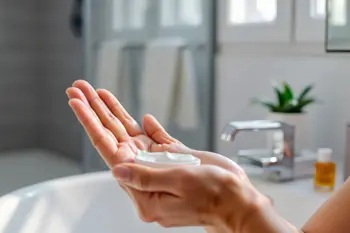
Addressing persistent dryness is the most common and urgent concern for those over 70. The lipid barrier, which relies on a precise balance of ceramides, cholesterol, and fatty acids to retain moisture, is frequently depleted in mature skin 1. Clinical evidence suggests that products containing ceramides are particularly effective at replenishing this moisture-locking matrix 1. Simple, consistent habits often outperform complex regimens; applying a rich emollient shortly after bathing, while the skin remains slightly damp, can significantly improve hydration retention 9. It is advised to avoid products with strong fragrances or harsh surfactants, such as sodium lauryl sulfate, which can exacerbate irritation in already fragile skin 9.
| Goal | Recommended Approach | Benefit |
|---|---|---|
| Moisture Retention | Ceramide-rich emollients | Replenishes depleted lipid barrier |
| Soothing Irritation | Colloidal oatmeal | Calms reactive, dry skin |
| Supporting Repair | Panthenol (Vitamin B5) | Aids natural skin healing |
| Texture Improvement | Gentle Peptides | Supports collagen structure |
The Non-Negotiable Role of Sun Protection
Regardless of age, UV exposure remains the primary contributor to skin aging, responsible for up to 80% of visible damage including pigmentation, thinning, and the breakdown of elastic fibers 6. For those over 70, daily use of a broad-spectrum sunscreen with at least SPF 30 is essential to prevent further degradation of collagen and to mitigate the risk of skin cancer, which becomes more prevalent with cumulative lifetime sun exposure 6. Effective protection involves generous application and reliance on physical barriers, such as hats, protective clothing, and shade, rather than relying solely on topical products 9.
Managing Skin Health Through Nutrition and Lifestyle
Skin health is not merely a surface-level concern; it is supported by internal biological processes that benefit from targeted lifestyle adjustments. Biohacking for seniors emphasizes the role of nutrition, where omega-3 fatty acids and antioxidants-found in berries and leafy greens-help neutralize free radicals that damage skin cells 5. Adequate hydration remains a fundamental pillar of health, as maintaining cellular water content assists in softening fine lines and supporting overall skin resilience 5. Furthermore, staying physically active improves blood circulation, which ensures that essential nutrients are more efficiently delivered to the skin’s dermal layers 2.
When to Seek Professional Assessment
Given that skin healing slows down significantly in the 70s, any persistent or concerning changes require clinical evaluation. It is important for individuals to monitor their skin for new, non-healing lesions, changing moles, or unexplained bruising, as these can be early warning signs of skin cancer or other underlying health issues 9. For those with limited mobility, daily inspection of high-pressure areas-such as the heels, hips, and elbows-is critical to identify early indicators of pressure-related injury, such as persistent redness or swelling 9. Managing chronic conditions and reviewing medications with a healthcare provider can also help address issues like persistent itching or recurrent infections that may be exacerbated by systemic factors 9.
Simplifying the Daily Routine
The most sustainable strategy for skin health after 70 is simplicity. Over-exfoliating or using a long list of active ingredients can trigger inflammation and damage an already delicate barrier 2. A streamlined routine typically consists of a gentle, non-foaming cleanser, a high-quality moisturizer containing barrier-supporting ingredients like ceramides or shea butter, and diligent SPF application 4. By prioritizing comfort over corrective outcomes, individuals can maintain a healthy skin barrier that protects the body and promotes long-term dermatological wellness 3.